Microstructure
& Connectivity Lab

Publication collection

Image Processing

← All publications
2026
Magnetic Resonance ImagingArticle

Advancing high-resolution 7 T diffusion MRI: Evaluating phase-encoding correction strategies for distortion correction from basic to four-way acquisitions

Kurt G. Schilling, Alexander J.S. Beckett, Matthew Amandola, Erica B. Walker, David A. Feinberg, Silvia A. Bunge, An T. Vu

At 0.9 mm resolution on a NexGen 7T scanner, this study compares 11 time-matched diffusion acquisition and correction strategies. Four-direction phase encoding provides the strongest geometric fidelity and repeatability in five adults scanned twice. The findings inform high-resolution protocols for both fine superficial connections and long-range pathways.

Image ProcessingTractographyMicrostructure
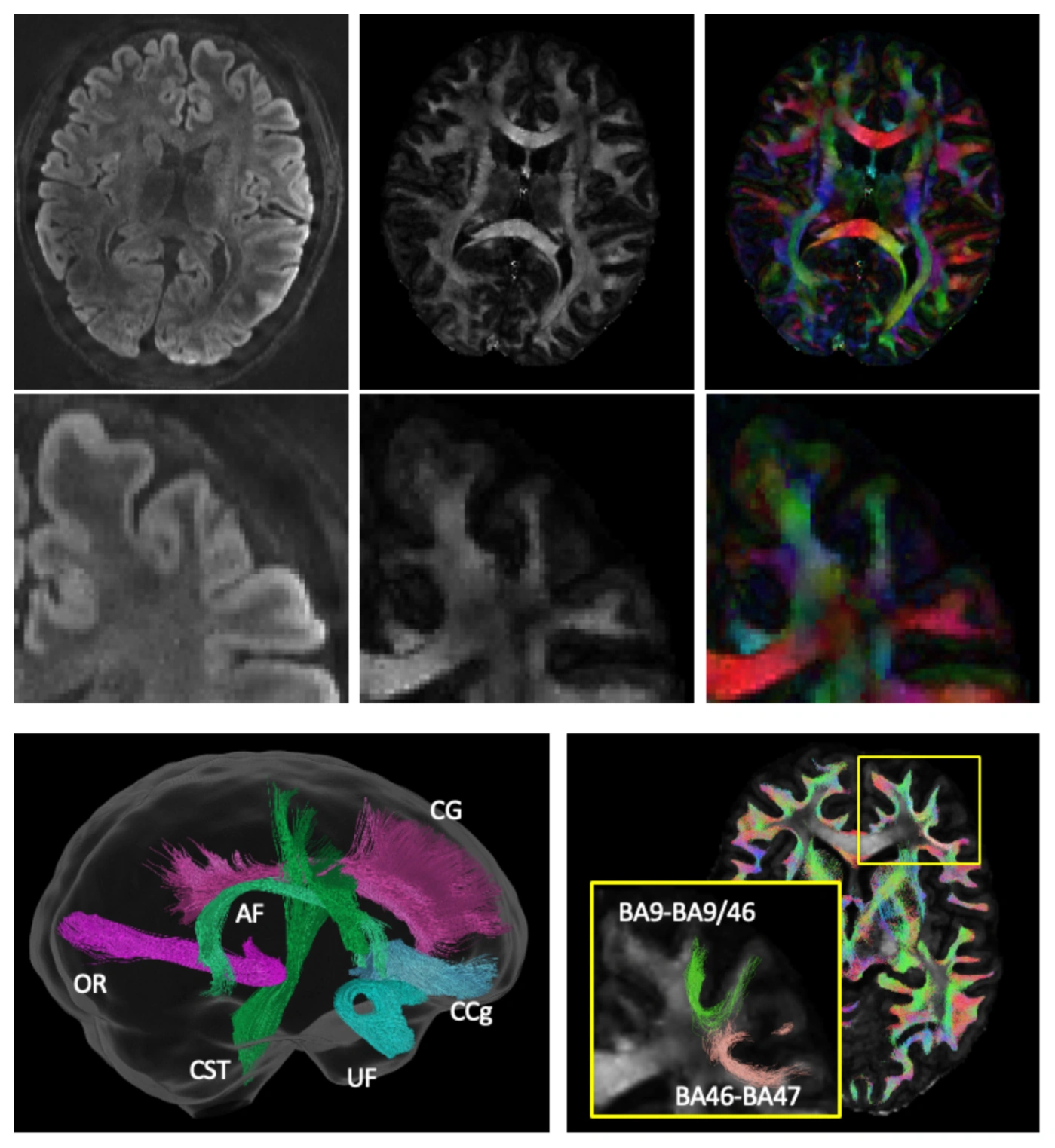
High-resolution diffusion images and tractography from the four-direction phase-encoding acquisition.
2026
Brain Structure and FunctionReview

Did you know? State-of-the-art preprocessing diffusion MRI data can improve tractography

Kurt G. Schilling et al. · Last author: Jelle Veraart

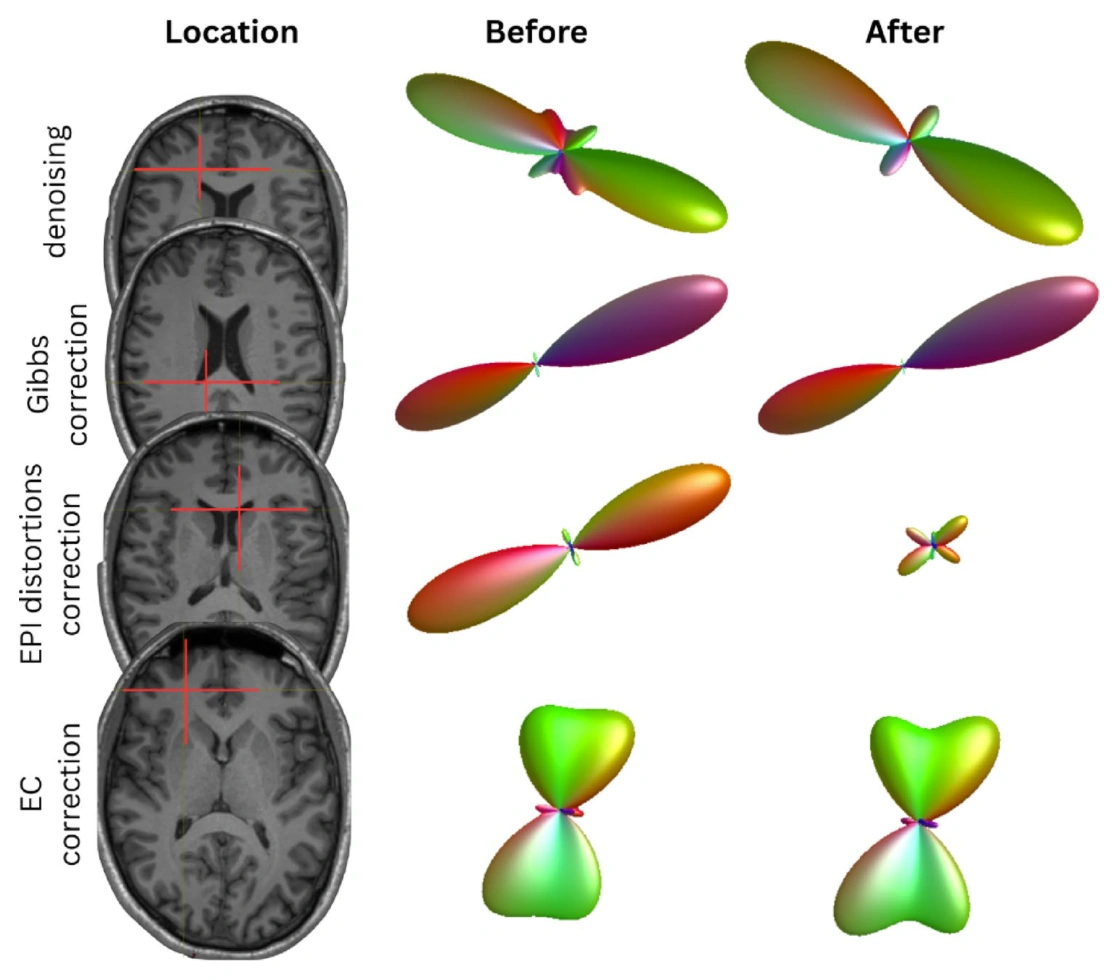
This review explains how modern diffusion MRI preprocessing improves the anatomical fidelity and repeatability of tractography. It brings together evidence for denoising and correction of motion, eddy currents, susceptibility distortion, and Gibbs ringing. Practical acquisition advice and integrated pipelines help researchers apply these methods consistently.

Image ProcessingTractographyReviews & Consensus
Effects of individual diffusion MRI preprocessing steps on fiber orientations and tractography.
2025
Human Brain MappingArticle

White Matter Geometry Confounds Diffusion Tensor Imaging Along Perivascular Space (DTI-ALPS) Measures

Kurt G. Schilling, Allen Newton, Chantal Tax, Markus Nilsson, Maxime Chamberland, Adam Anderson, Bennett Landman, Maxime Descoteaux

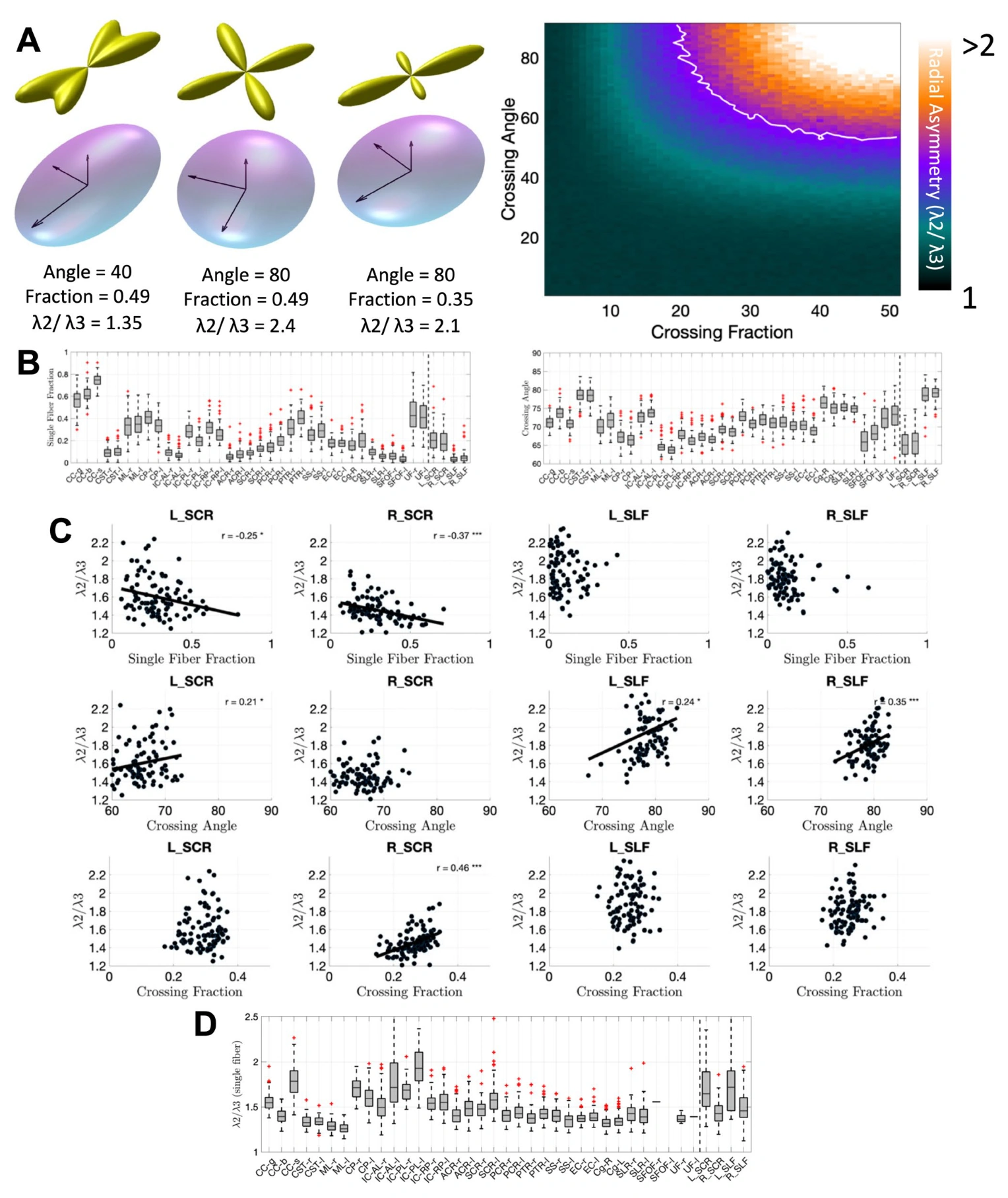
The study tests whether DTI-ALPS measurements specifically reflect diffusion along perivascular spaces. Analyses of high-resolution diffusion and vascular imaging show strong effects of fiber crossings, dispersion, and undulation. These anatomical influences complicate interpreting an ALPS index as a direct measurement of glymphatic function across individuals or groups.

MicrostructureImage Processing
Crossing fibers contribute to radial diffusion asymmetry, a geometrical confound for DTI-ALPS.
2025
Magnetic Resonance in MedicineReview

Considerations and recommendations from the ISMRM Diffusion Study Group for preclinical diffusion MRI : Part 3—Ex vivo imaging: Data processing, comparisons with microscopy, and tractography

Kurt G. Schilling et al. · Last author: Ileana O. Jelescu

The third ISMRM preclinical diffusion MRI paper addresses ex vivo image processing, comparisons with microscopy, and tractography. It explains how fixed-tissue experiments require choices that differ from in vivo workflows. Community recommendations and unresolved questions guide the design and interpretation of rigorous, reproducible validation studies.

Reviews & ConsensusImage ProcessingTractography
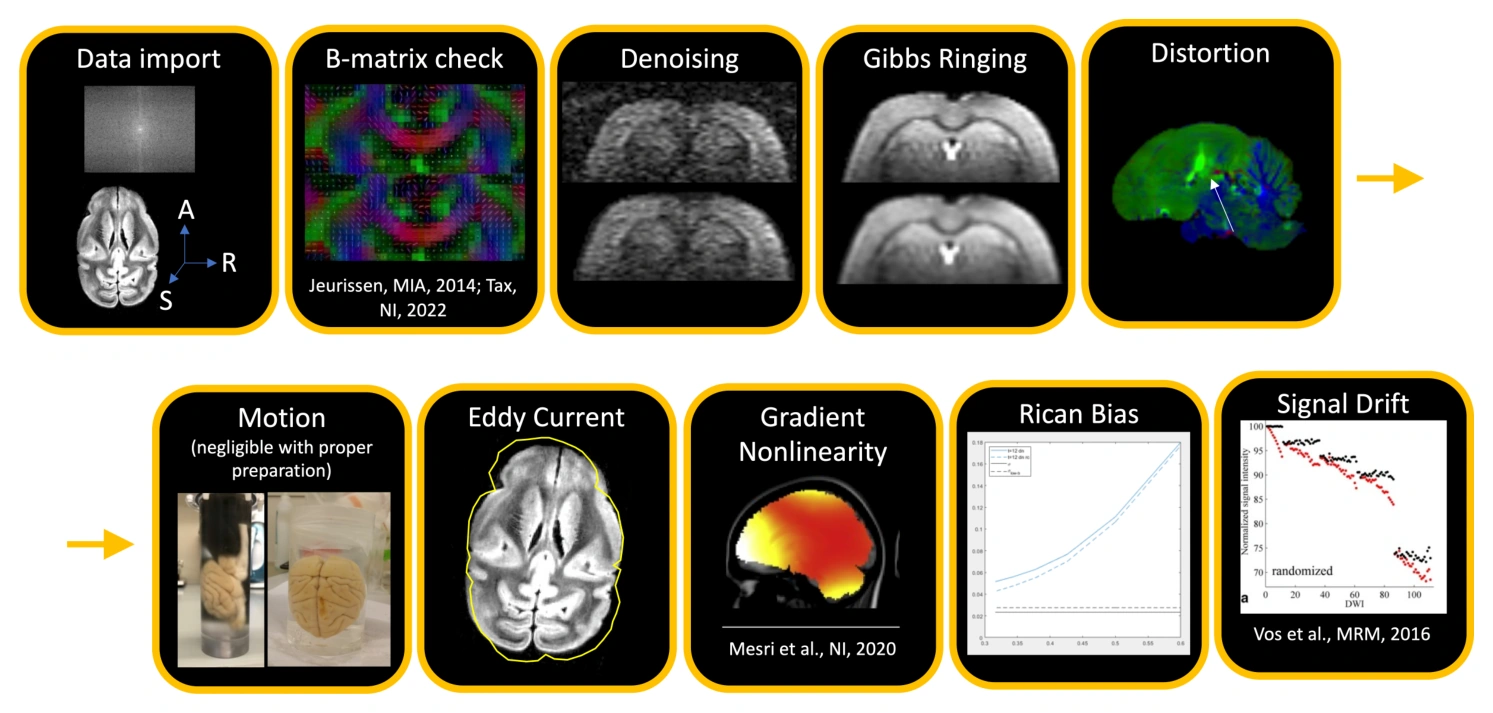
Examples of artifacts addressed by preprocessing ex vivo diffusion MRI data.
2025
Human Brain MappingArticle

Head Motion in Diffusion Magnetic Resonance Imaging: Quantification, Mitigation, and Structural Associations in Large, Cross-Sectional Datasets Across the Lifespan

Kurt G. Schilling et al. · Last author: Bennett A. Landman

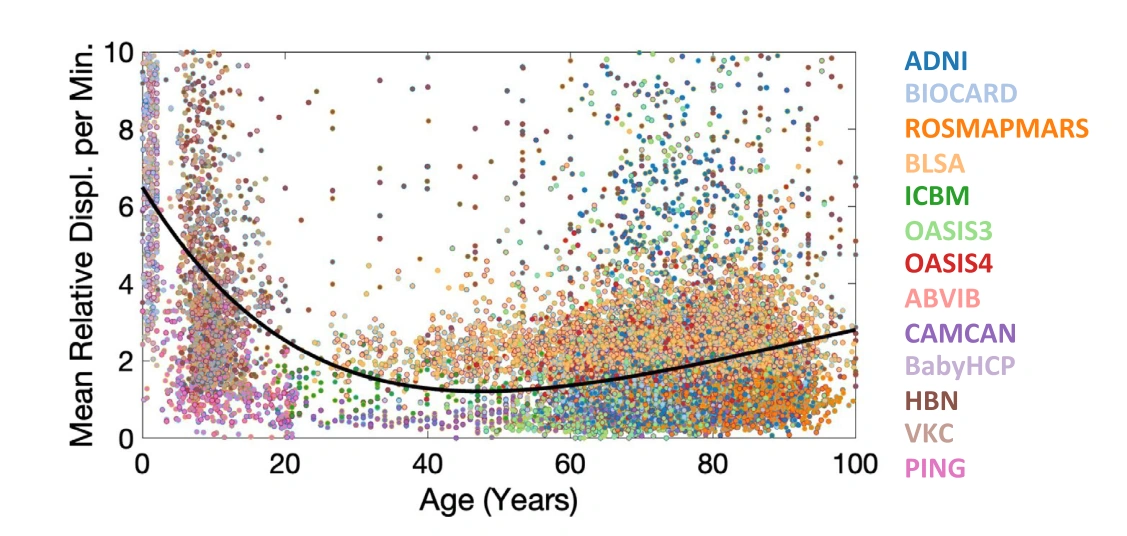
Across 13 cohorts spanning infancy to old age, this study characterizes head motion and its relationship to diffusion MRI measurements. Scan–rescan comparisons examine the effectiveness of modern preprocessing, while population analyses investigate structural associations with motion. The findings help distinguish acquisition artifacts from differences associated with the people who move.

Image ProcessingLifespanMicrostructure
Head motion varies across age, tending to decrease toward young adulthood and increase with aging.
2025
2025 IEEE 22nd International Symposium on Biomedical Imaging (ISBI)Conference paper

Measuring Impact of Super-Resolution on Spinal Cord MRI Scans: Lesion Detection Sensitivity, Variability, and Clinical Impact

Greyson A. Wintergerst, Samuel W. Remedios, Allen T. Newton, Seth A. Smith, Bennett A. Landman, Kurt G. Schilling

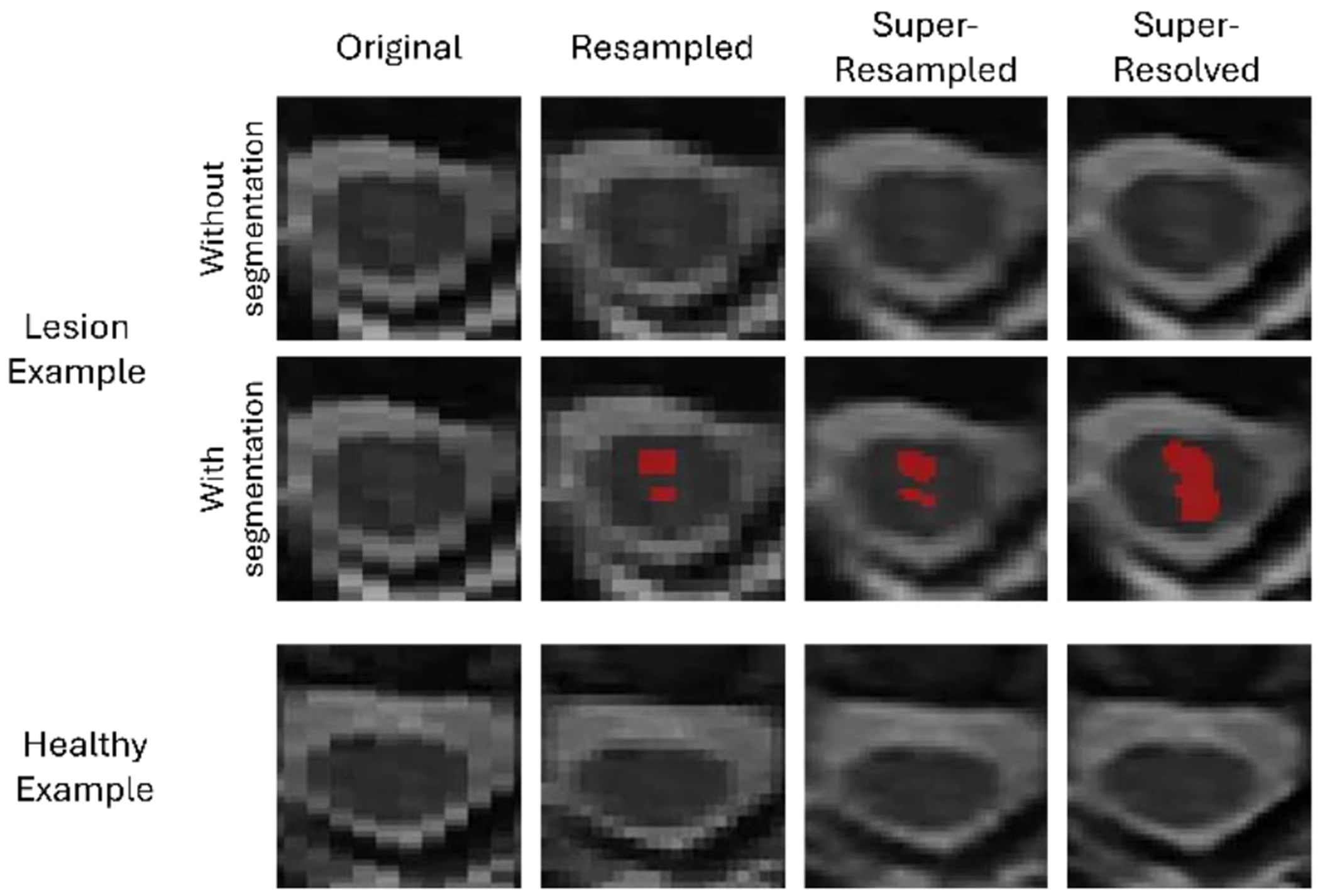
This study tests whether super-resolution and interpolation improve automated lesion detection in spinal cord MRI from 53 people with multiple sclerosis. Higher isotropic resolution increased lesion-segmentation sensitivity, but lesion measures did not show a significant association with disability scores.

Spinal CordImage Processing
Spinal cord image resolution influences the visibility and segmentation of MS lesions.
2024
Magnetic Resonance ImagingArticle

Influence of preprocessing, distortion correction and cardiac triggering on the quality of diffusion MR images of spinal cord

Kurt G. Schilling et al. · Last author: Kristin P. O’Grady

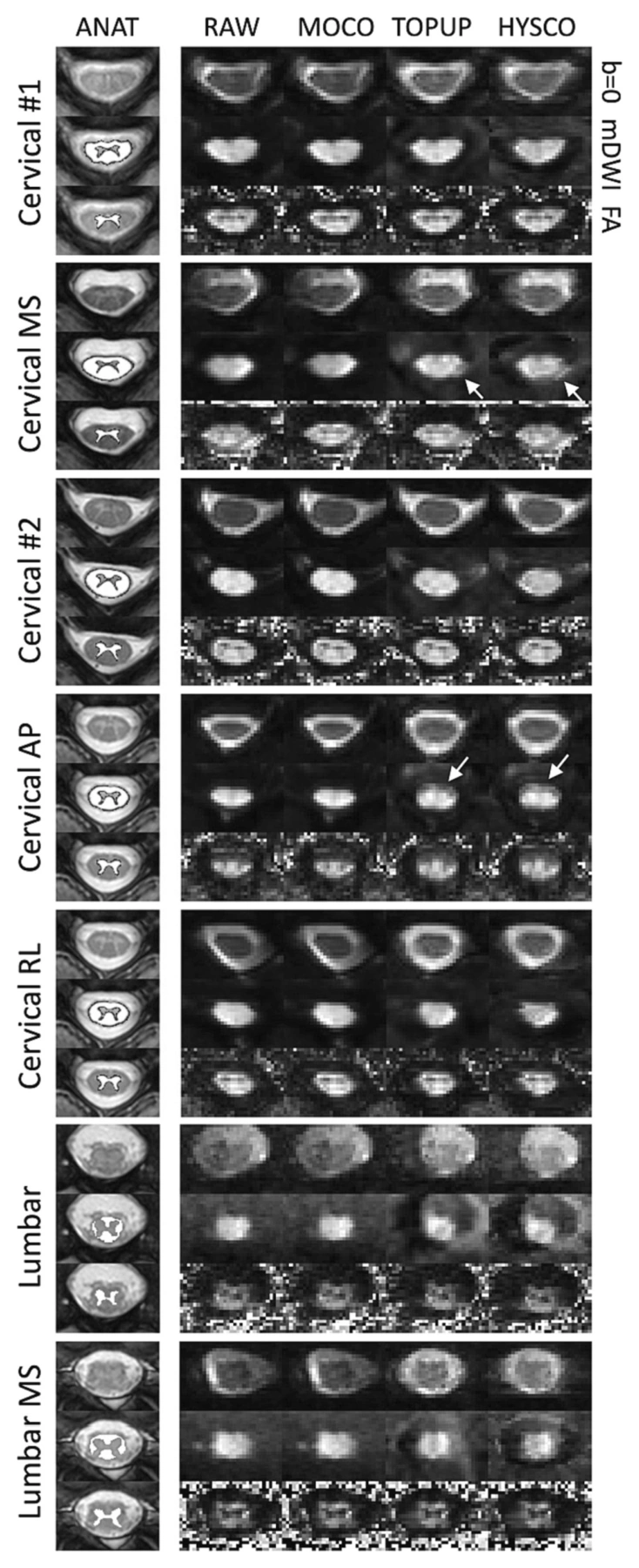
Tests of spinal cord diffusion preprocessing show that better overall image alignment does not necessarily improve geometry or tissue contrast within the cord. Separate experiments found that omitting cardiac triggering shortened cervical acquisitions while preserving similar image quality and diffusion measurements under the conditions studied.

Spinal CordImage Processing
Examples of spinal cord image geometry and contrast after alternative distortion-correction approaches.
2023
NeuroImageArticle

Denoising of diffusion MRI in the cervical spinal cord – effects of denoising strategy and acquisition on intra-cord contrast, signal modeling, and feature conspicuity

Kurt G. Schilling et al. · Last author: Kristin P. O’Grady

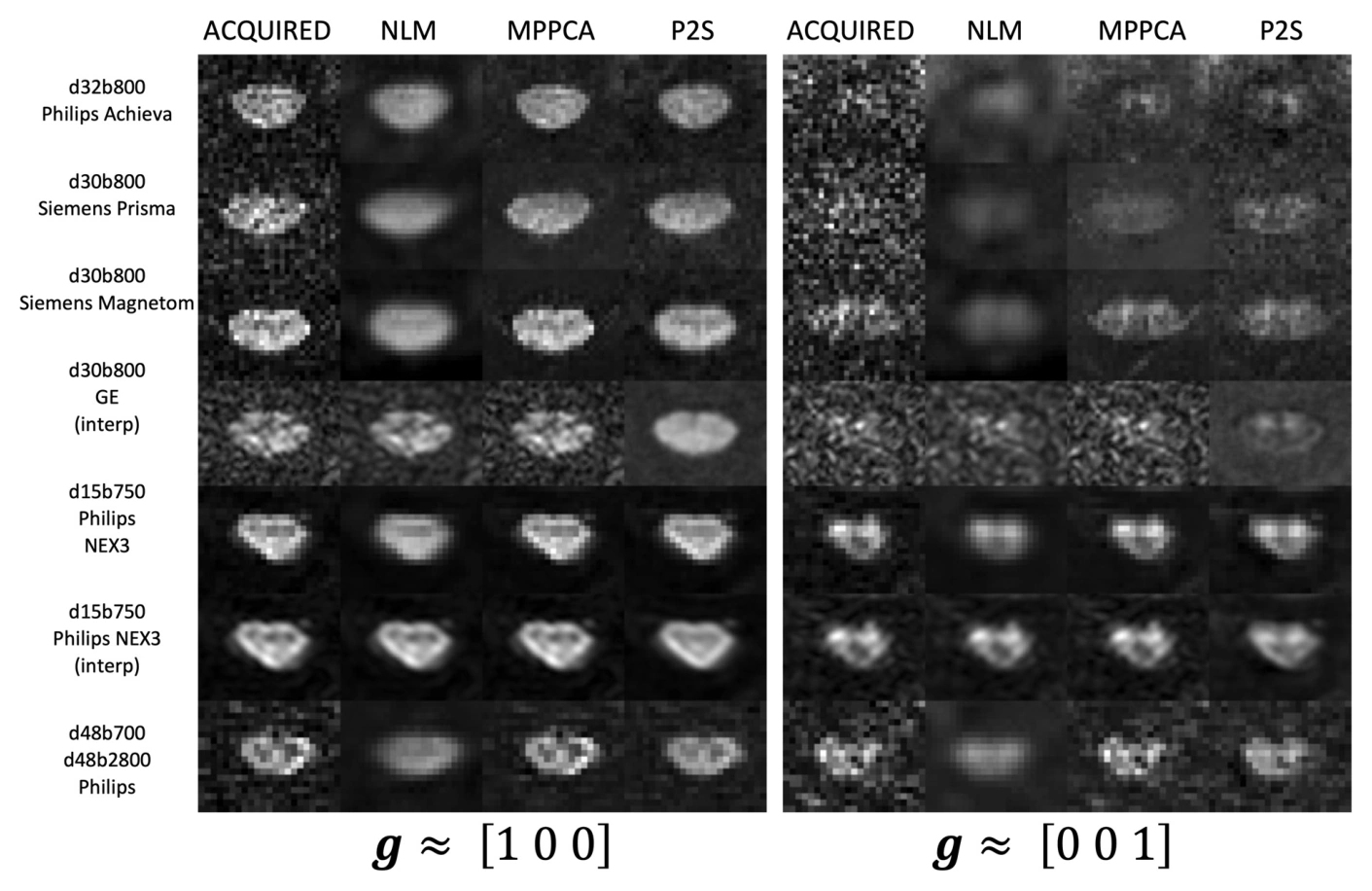
Phantom and human experiments compare three denoising methods for spinal cord diffusion MRI. MPPCA and Patch2Self improved image quality, tissue contrast, and precision even with the small direction counts common in clinical scans, while all tested methods improved visibility of multiple sclerosis lesions in diffusion-weighted images.

Spinal CordImage ProcessingMicrostructure
Spinal cord diffusion images before and after denoising across vendors and acquisition settings.
2023
Magnetic Resonance ImagingArticle

Distortion correction of functional MRI without reverse phase encoding scans or field maps

Tian Yu et al. · Last author: Kurt G. Schilling

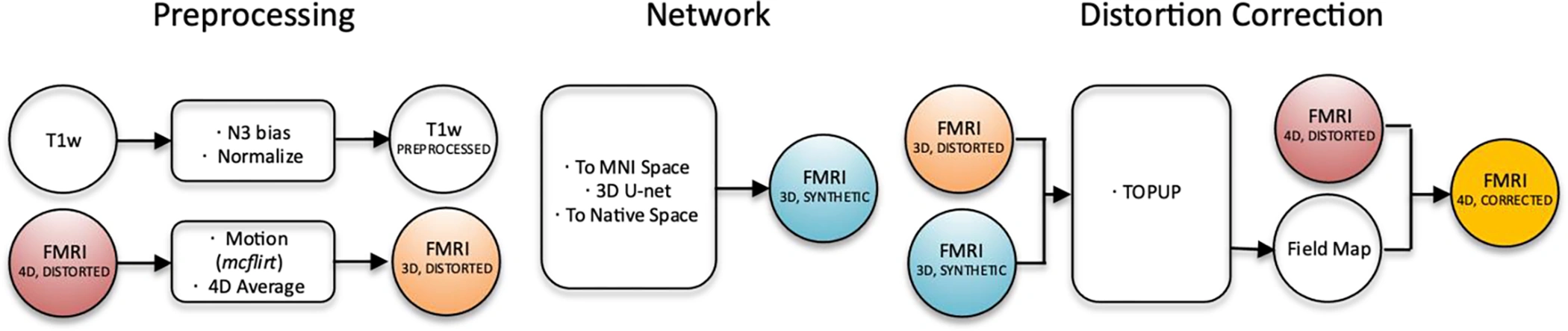
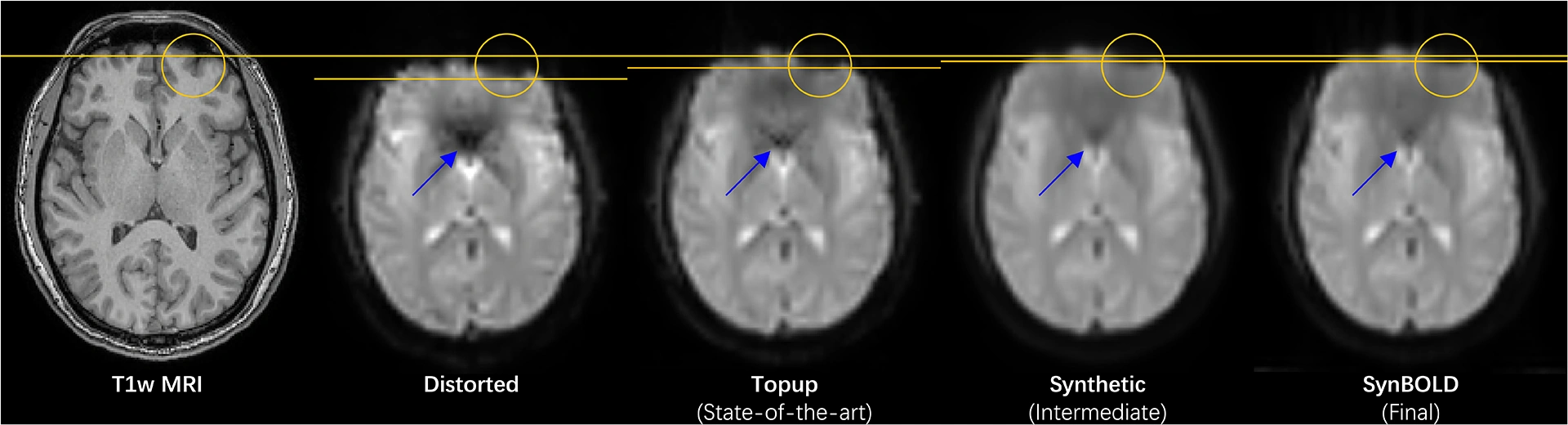
SynBOLD-DisCo corrects susceptibility distortion in functional MRI using the acquired functional data and a structural image. Synthesized undistorted BOLD contrast provides a correction target when reverse phase-encoding scans or field maps are unavailable.

Image ProcessingFunctional Connectivity
SynBOLD-DisCo synthesizes an undistorted BOLD reference to correct functional MRI geometry.
2023
Medical Imaging 2023: Image ProcessingConference paper

SynBOLD-DisCo: synthetic BOLD images for distortion correction of fMRI without additional calibration scans

Tian Yu, Leon Y. Cai, Victoria L. Morgan, Sarah E. Goodale, Dario J. Englot, Catherine E. Chang, Bennett A. Landman, Kurt G. Schilling

This conference paper introduces SynBOLD-DisCo, using a 3D U-Net to synthesize undistorted BOLD images for fMRI susceptibility correction. It is the proceedings contribution preceding the expanded 2023 journal study.

Image ProcessingFunctional Connectivity
Example functional MRI geometry before and after SynBOLD-DisCo correction, compared with a structural reference.
2022
Magnetic Resonance ImagingArticle

Minimal number of sampling directions for robust measures of the spherical mean diffusion weighted signal: Effects of sampling directions, b-value, signal-to-noise ratio, hardware, and fitting strategy

Kurt G. Schilling, Marco Palombo, Kristin P. O'Grady, Anna J.E. Combes, Adam W. Anderson, Bennett A. Landman, Seth A. Smith

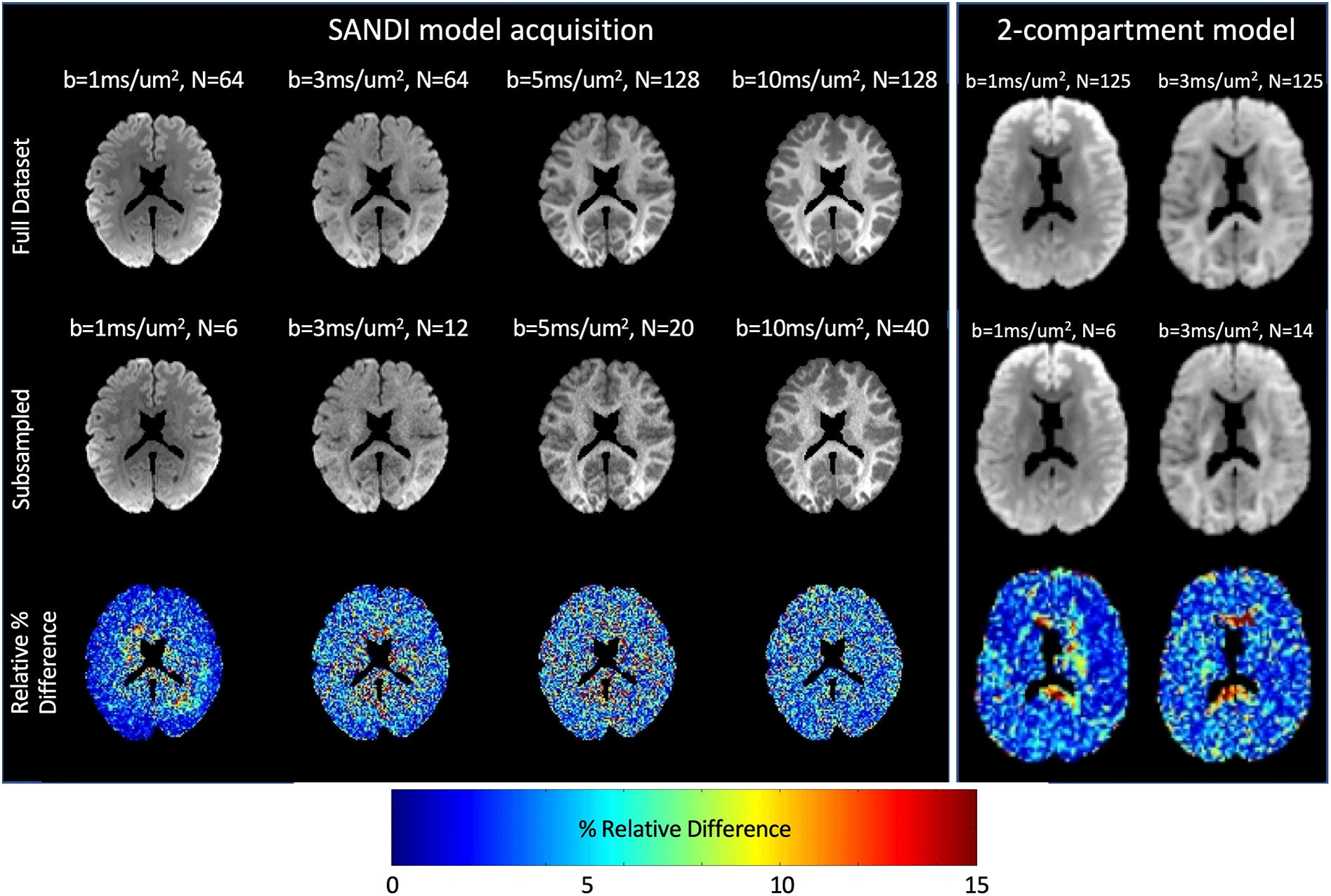
Simulations and brain and spinal cord measurements establish how many diffusion directions are needed to estimate the spherical mean signal reliably. A lookup table links sampling requirements to diffusion weighting, signal-to-noise ratio, and fitting choices.

MicrostructureImage ProcessingSpinal Cord
Brain spherical-mean diffusion signals estimated from full and reduced acquisition schemes.
2021
NeuroImageArticle

Fiber tractography bundle segmentation depends on scanner effects, vendor effects, acquisition resolution, diffusion sampling scheme, diffusion sensitization, and bundle segmentation workflow

Kurt G. Schilling et al. · Last author: Bennett A. Landman

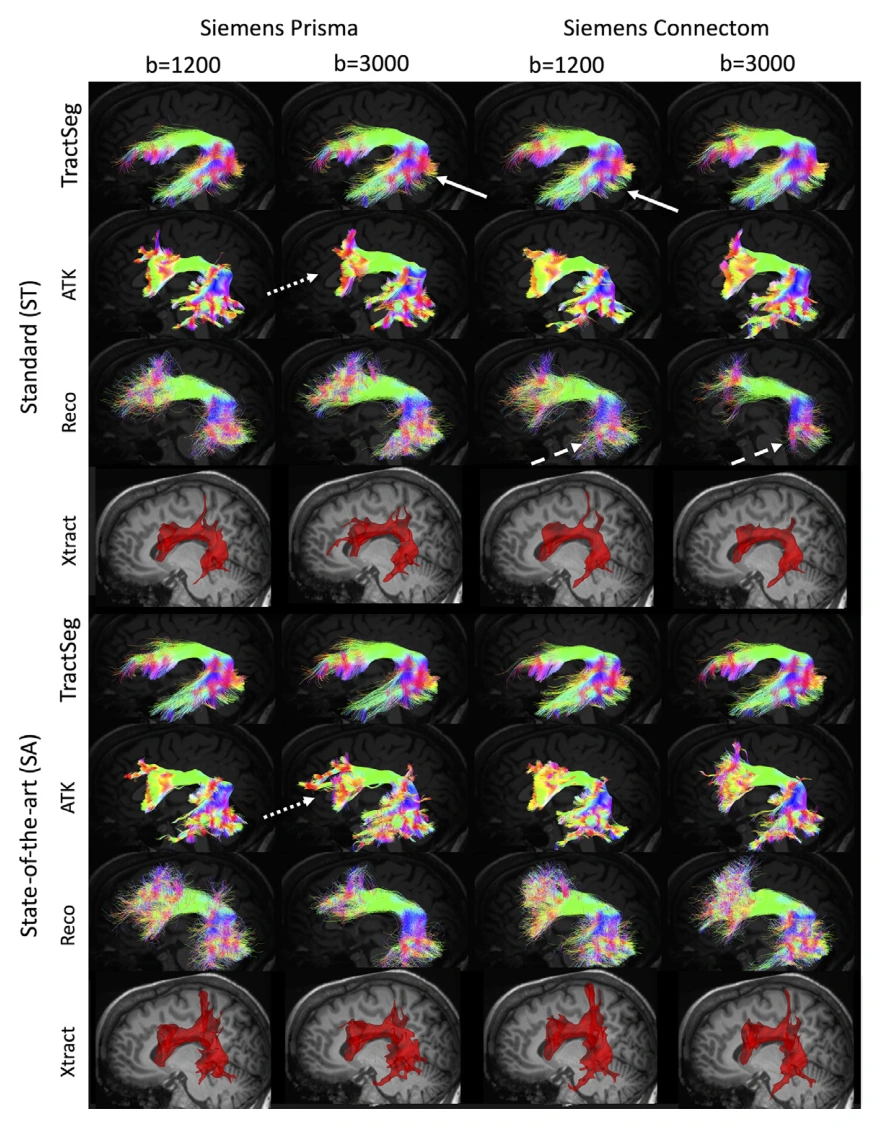
Four bundle-segmentation workflows reveal how scanner, vendor, and acquisition changes affect white matter measurements. Spatial resolution was a major acquisition confound, while differences between segmentation workflows exceeded every other tested source of variation, particularly near the cortex.

TractographyImage Processing
Arcuate fasciculus reconstructions vary across scanners, acquisitions, diffusion weighting, and segmentation workflows.
2021
NeuroImageArticle

On the generalizability of diffusion MRI signal representations across acquisition parameters, sequences and tissue types: Chronicles of the MEMENTO challenge

Alberto De Luca et al. · Last author: Kurt G. Schilling

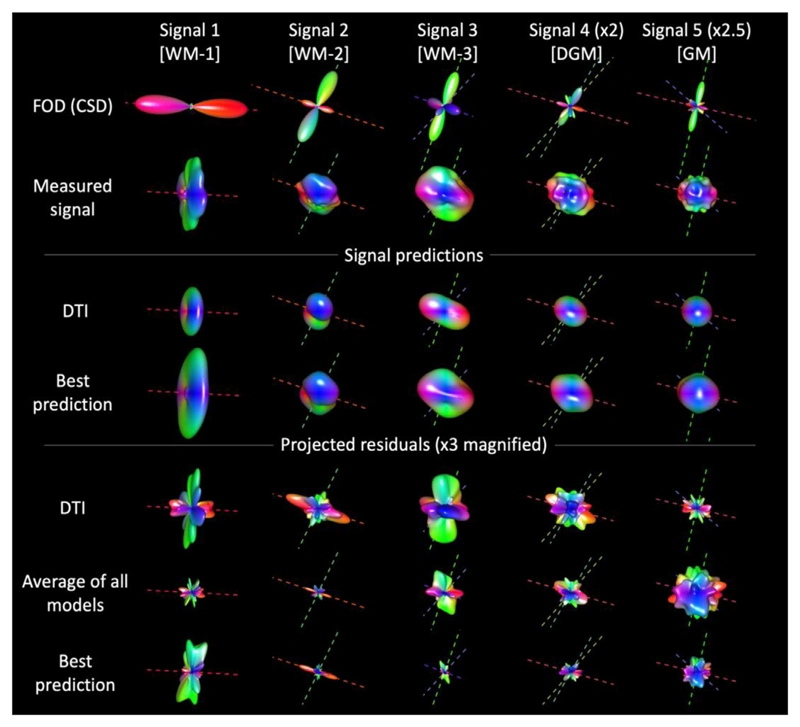
The MEMENTO challenge tests how diffusion MRI signal models generalize to unseen measurements and different encoding schemes. Results show that fitting choices and hyperparameters matter alongside model selection, with double and oscillating encoding proving especially challenging.

MicrostructureImage Processing
Measured and predicted diffusion signals compared across models and tissue configurations.
2021
NeuroinformaticsArticle

Pandora: 4-D White Matter Bundle Population-Based Atlases Derived from Diffusion MRI Fiber Tractography

Colin B. Hansen et al. · Last author: Kurt G. Schilling

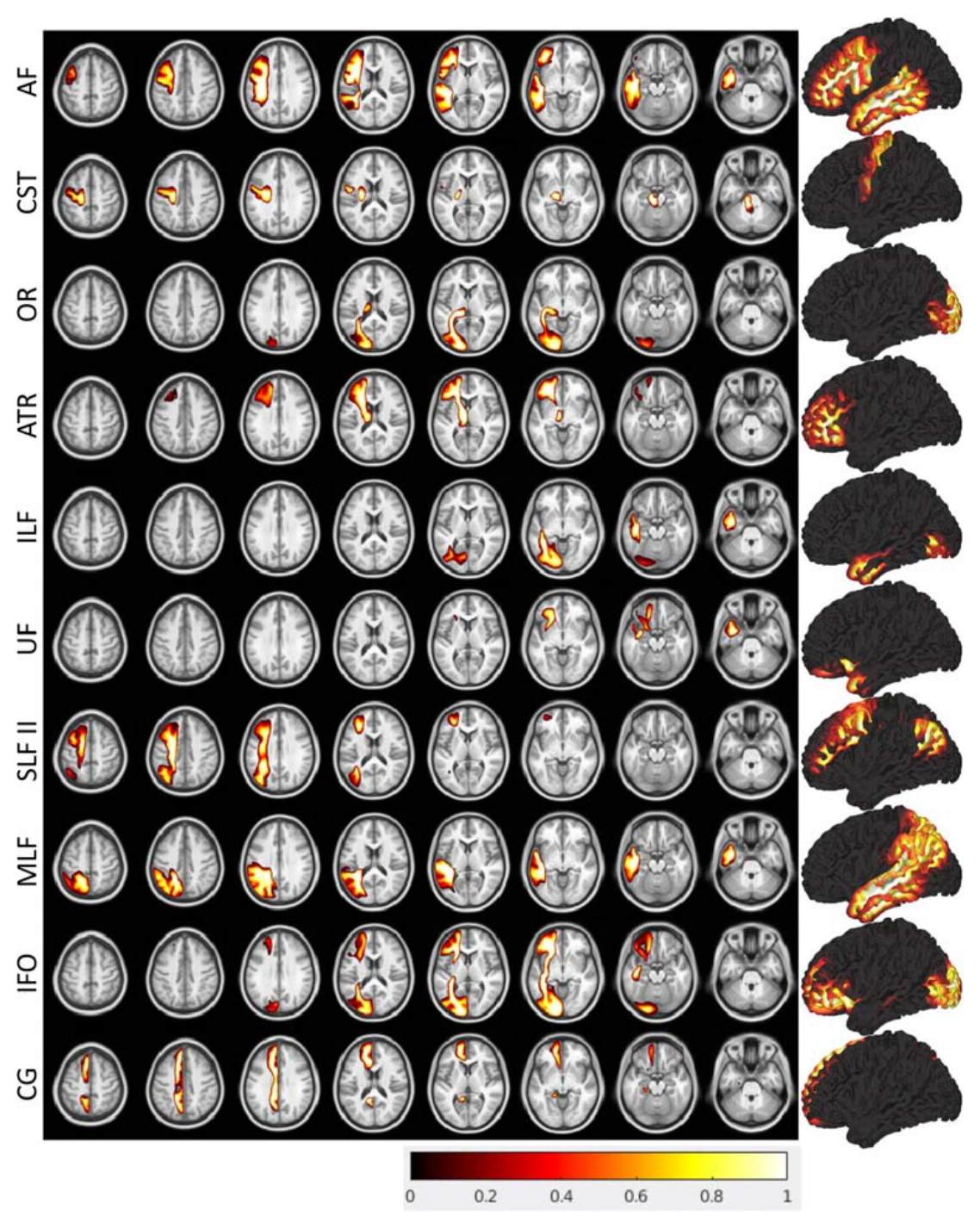
Pandora provides population-based maps of 216 white matter bundles derived from 2,443 people using six automated tractography approaches. Its overlapping bundle representations support anatomical localization and comparison across studies without treating white matter as a single uniform region.

TractographyImage Processing
Example white matter pathways represented in Pandora volumetric and surface atlases.
2021
NeuroImageArticle

Tractography dissection variability: What happens when 42 groups dissect 14 white matter bundles on the same dataset?

Kurt G. Schilling et al. · Last author: Maxime Descoteaux

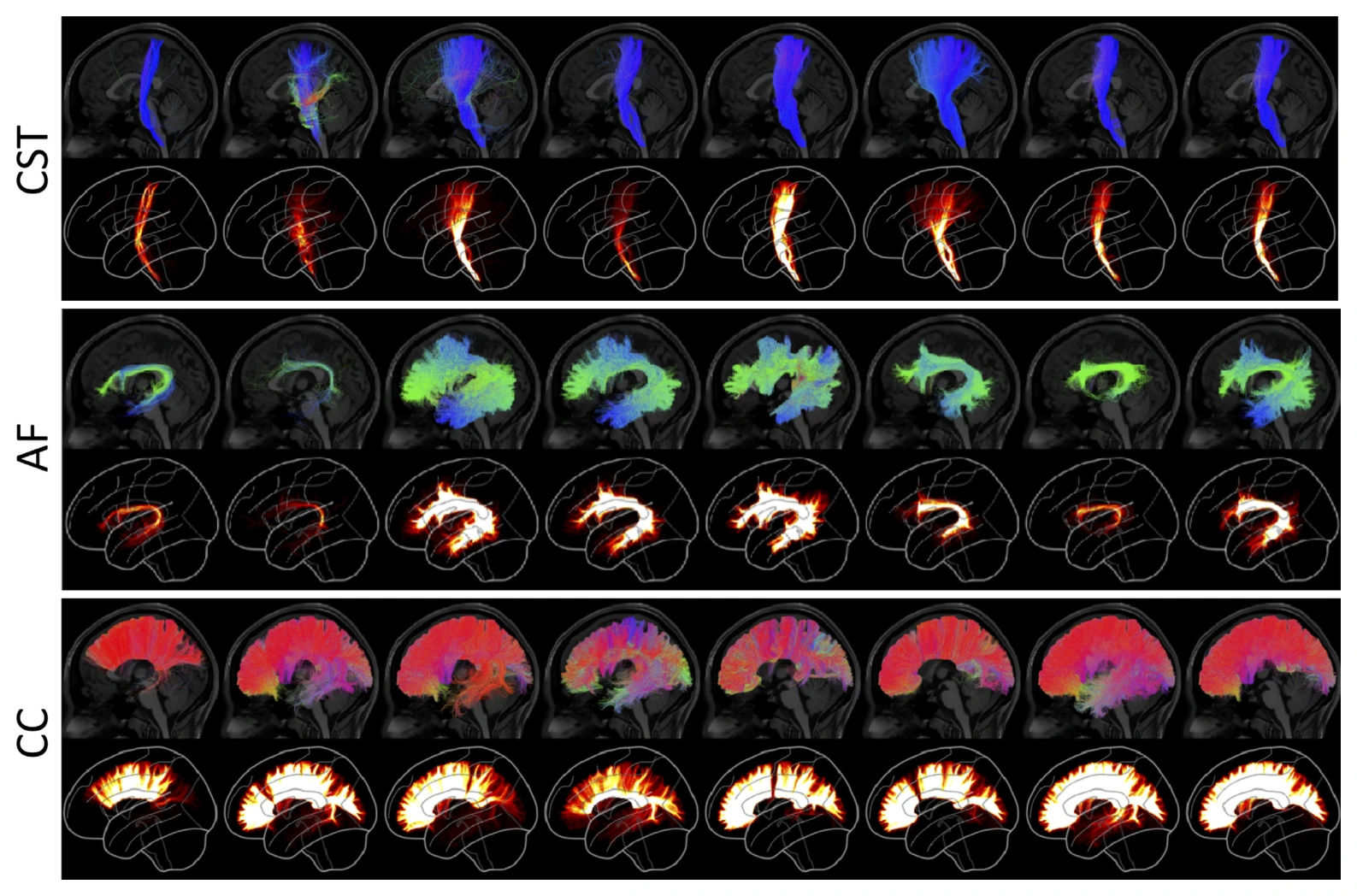
Forty-two teams dissected fourteen bundles from identical tractograms, revealing large differences in what researchers call the same pathway. Variation between dissection protocols exceeded within-protocol and between-person variation, demonstrating the need for clearer anatomical definitions and reproducible segmentation rules.

TractographyImage Processing
Different bundle-dissection protocols yield different reconstructions from the same tractogram.
2020
PLOS ONEArticle

Distortion correction of diffusion weighted MRI without reverse phase-encoding scans or field-maps

Kurt G. Schilling et al. · Last author: Bennett A. Landman

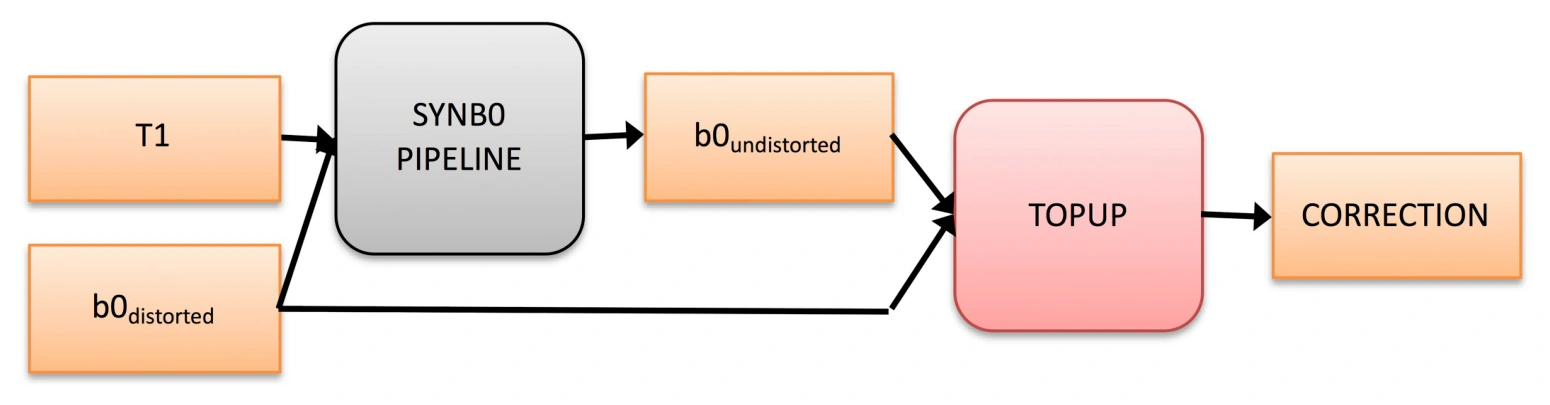
A second-generation Synb0 pipeline uses three-dimensional deep learning to create an undistorted diffusion reference from available MRI data. It supports distortion correction when reverse phase-encoding scans or field maps are missing, extending practical preprocessing options for historical and heterogeneous datasets.

Image Processing
Deep learning synthesizes an undistorted b0 image from a distorted b0 and an anatomical T1 image.
2019
Magnetic Resonance ImagingArticle

A fiber coherence index for quality control of B-table orientation in diffusion MRI scans

Kurt G. Schilling, Fang-Cheng Yeh, Vishwesh Nath, Colin Hansen, Owen Williams, Susan Resnick, Adam W. Anderson, Bennett A. Landman

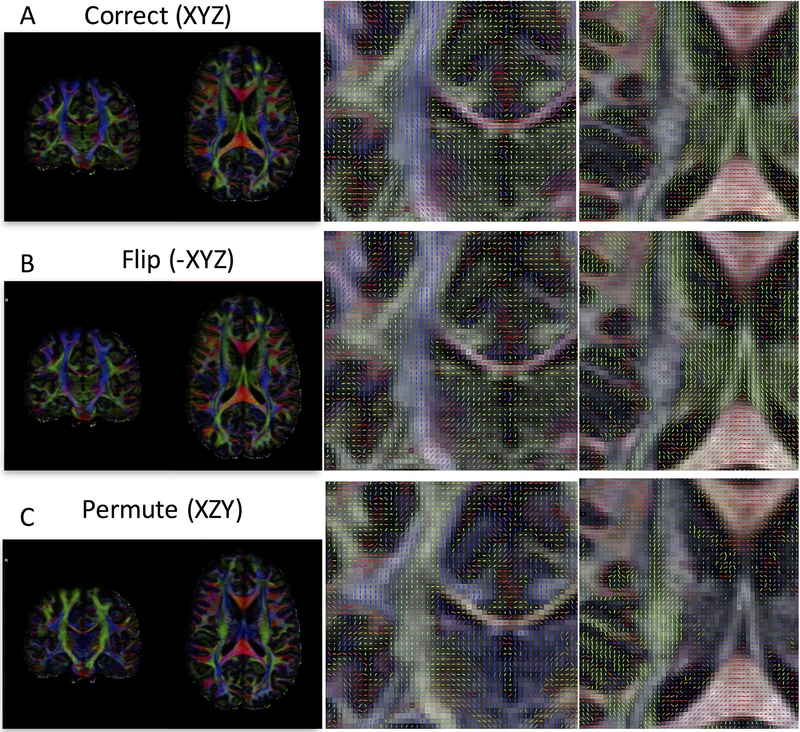
A fiber coherence index detects incorrectly flipped or permuted diffusion gradient tables by testing whether neighboring fiber orientations agree. Validation across research, clinical, and animal scans supports its use as an automated quality-control check.

Image ProcessingTractography
Correct, flipped, and permuted diffusion gradient tables produce different orientation patterns.
2019
NeuroinformaticsArticle

A Web-Based Atlas Combining MRI and Histology of the Squirrel Monkey Brain

Kurt G. Schilling, Yurui Gao, Matthew Christian, Vaibhav Janve, Iwona Stepniewska, Bennett A. Landman, Adam W. Anderson

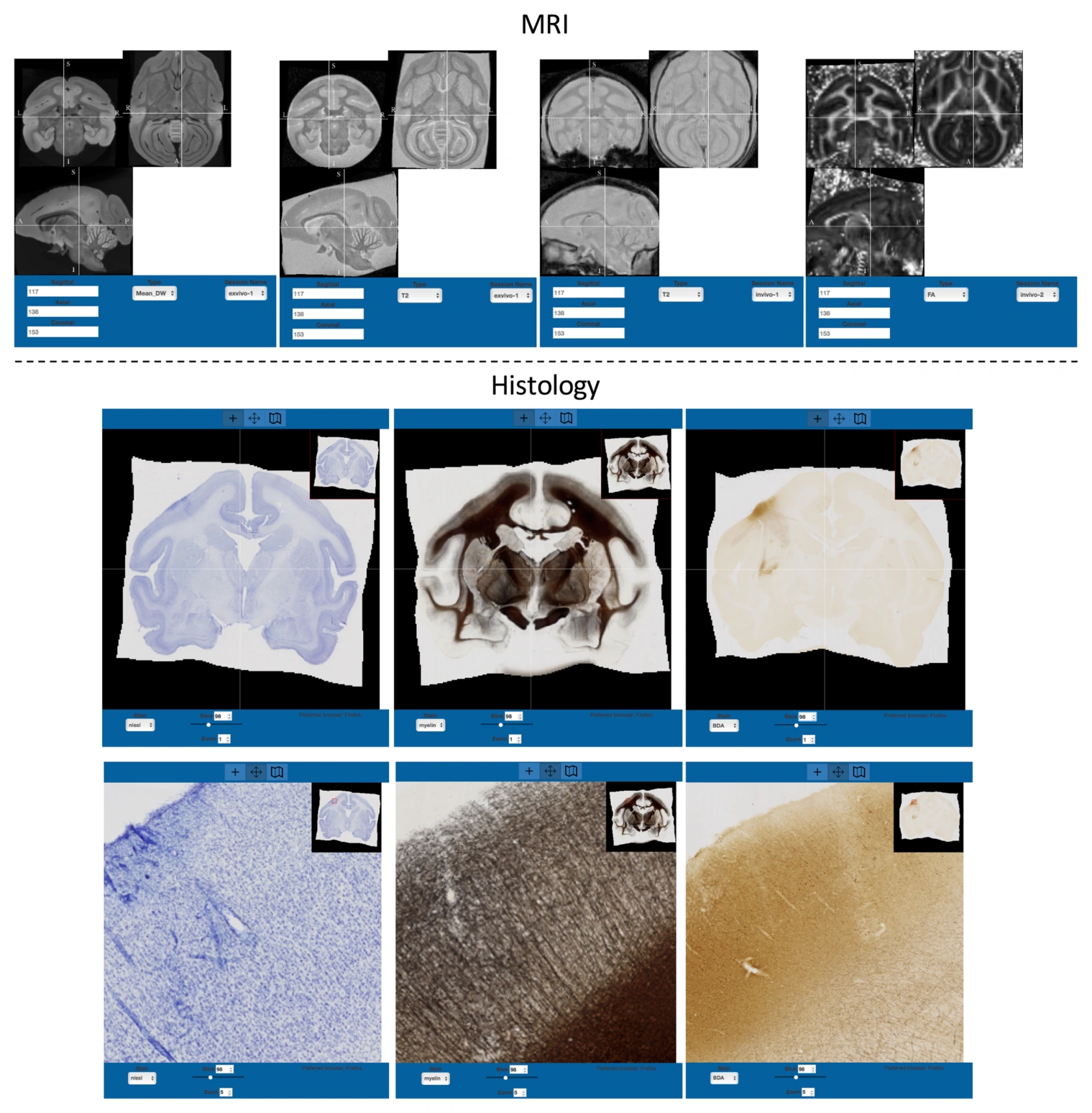
CHIASM combines structural MRI, diffusion MRI, histological stains, and motor-cortex tracing in a common squirrel monkey reference space. The integrated atlas lets researchers compare tissue appearance across modalities and use labeled cortical regions and white matter pathways for anatomical localization.

Image ProcessingTractographyMicrostructure
MRI contrasts and matched histological modalities included in the squirrel monkey atlas.
2019
Magnetic Resonance ImagingArticle

Synthesized b0 for diffusion distortion correction (Synb0-DisCo)

Kurt G. Schilling et al. · Last author: Bennett A. Landman

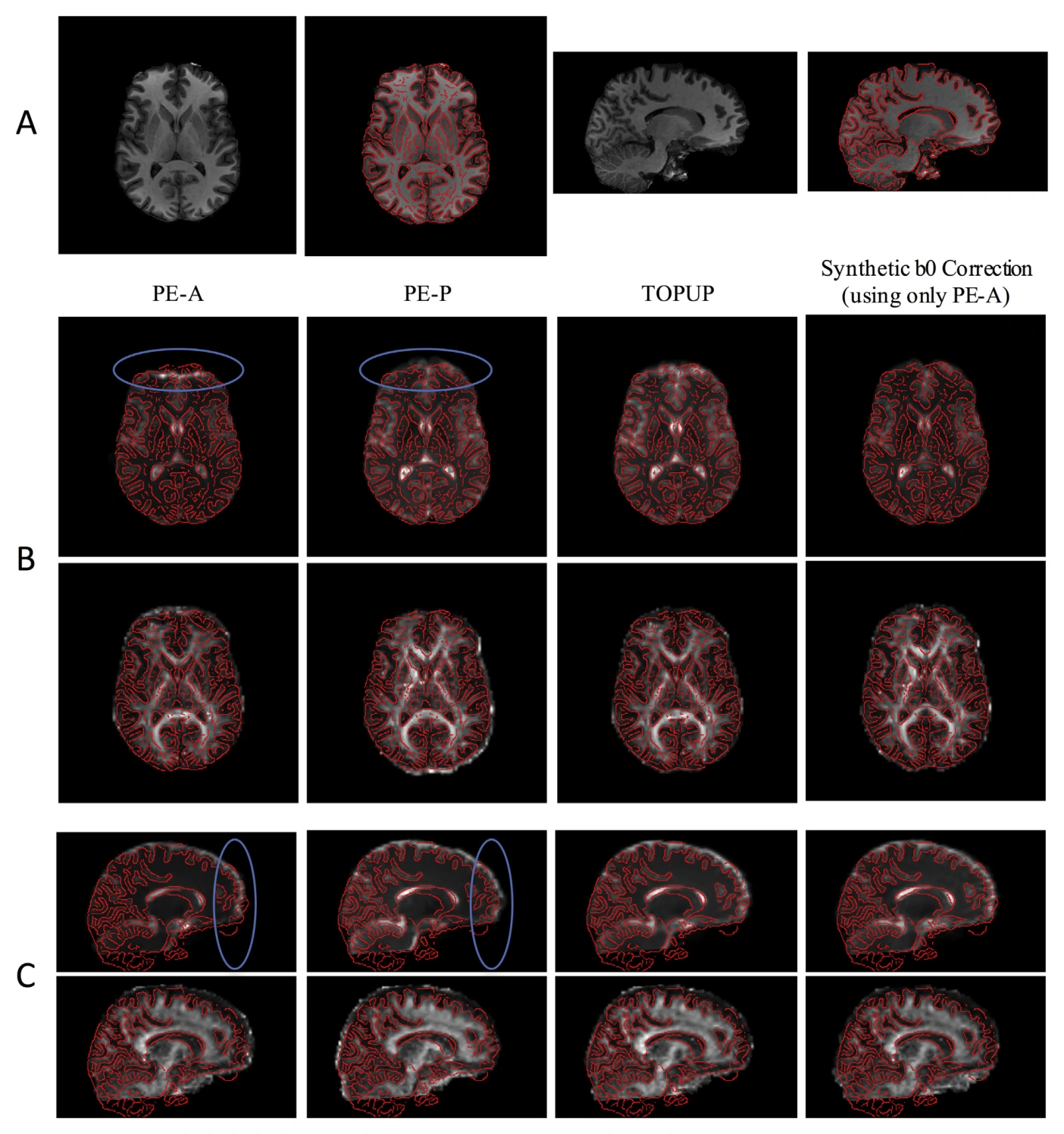
Synb0-DisCo uses a structural MRI scan to synthesize an undistorted diffusion reference image. This enables susceptibility-distortion correction for datasets lacking reverse phase-encoded scans, improving anatomical alignment and reducing variation in diffusion modeling in the evaluated data.

Image Processing
Synthesized b0 distortion correction compared with uncorrected and reversed-encoding results.
2017
Proceedings of SPIE: Medical Imaging 2017, Image ProcessingConference paper

Effects of b-Value and Number of Gradient Directions on Diffusion MRI Measures Obtained with Q-ball Imaging

Kurt G. Schilling, Vishwesh Nath, Justin Blaber, Robert L. Harrigan, Zhaohua Ding, Adam W. Anderson, Bennett A. Landman

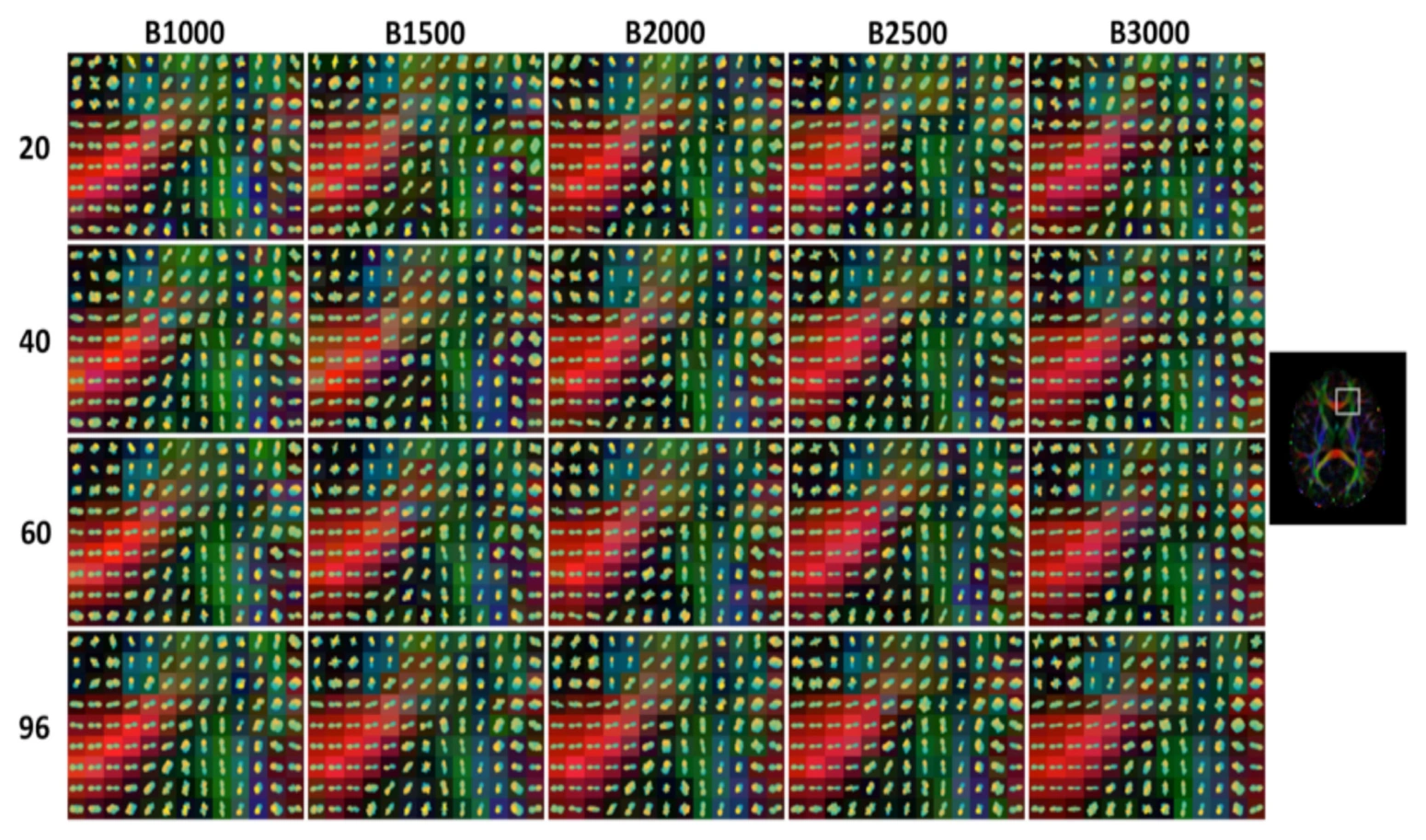
This full conference paper uses eleven repeated diffusion acquisitions to examine q-ball measurement precision. It shows that directional sampling and the spherical harmonic model can bias tissue and orientation metrics, helping explain why acquisition choices must be evaluated together with the reconstruction method.

Image ProcessingMicrostructure
Q-ball diffusion orientation estimates across diffusion weightings and gradient-direction counts.
2017
Magnetic Resonance ImagingArticle

Empirical consideration of the effects of acquisition parameters and analysis model on clinically feasible q-ball imaging

Kurt G. Schilling, Vishwesh Nath, Justin A. Blaber, Prasanna Parvathaneni, Adam W. Anderson, Bennett A. Landman

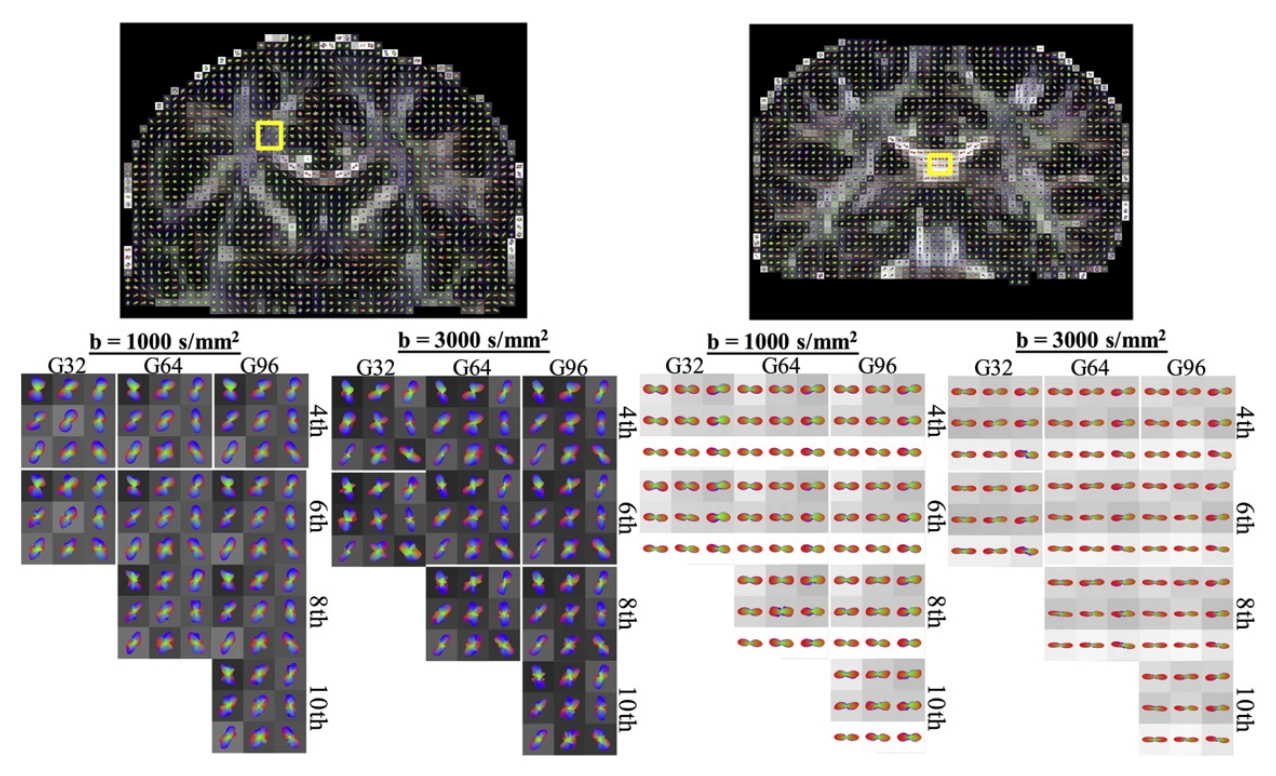
Repeated scans test how short clinical q-ball acquisitions balance diffusion weighting, direction count, and model complexity. The analysis shows that spherical harmonic order strongly affects derived metrics and that adding directions can be more useful than repeating measurements within a fixed scan time.

Image ProcessingMicrostructureTractography
Q-ball orientation estimates across diffusion weightings, gradient counts, and spherical harmonic orders.
2017
Magnetic Resonance ImagingArticle

Reproducibility and variation of diffusion measures in the squirrel monkey brain, in vivo and ex vivo

Kurt Schilling, Yurui Gao, Iwona Stepniewska, Ann S. Choe, Bennett A. Landman, Adam W. Anderson

Repeated in vivo and ex vivo imaging of three squirrel monkeys establishes reference diffusion measurements and their variability. Mean diffusivity was relatively reproducible, while fractional anisotropy varied more across regions and subjects; fixation substantially changed both measures.

MicrostructureImage Processing
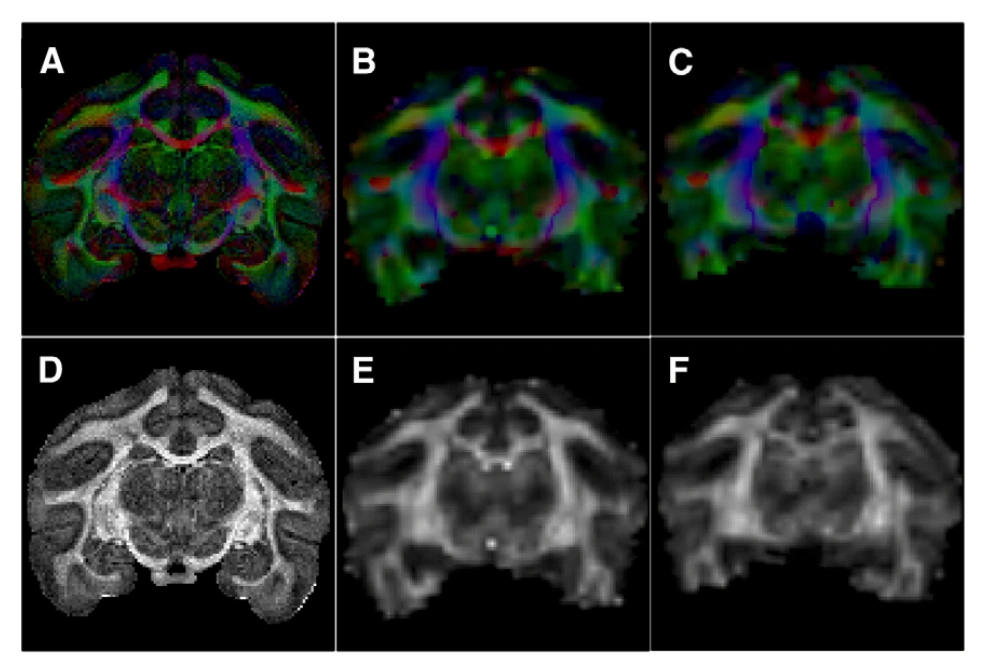
Repeated in vivo and ex vivo diffusion orientation and anisotropy maps of the same squirrel monkey brain.
2017
NeuroinformaticsArticle

The VALiDATe29 MRI Based Multi-Channel Atlas of the Squirrel Monkey Brain

Kurt G. Schilling et al. · Last author: Adam W. Anderson

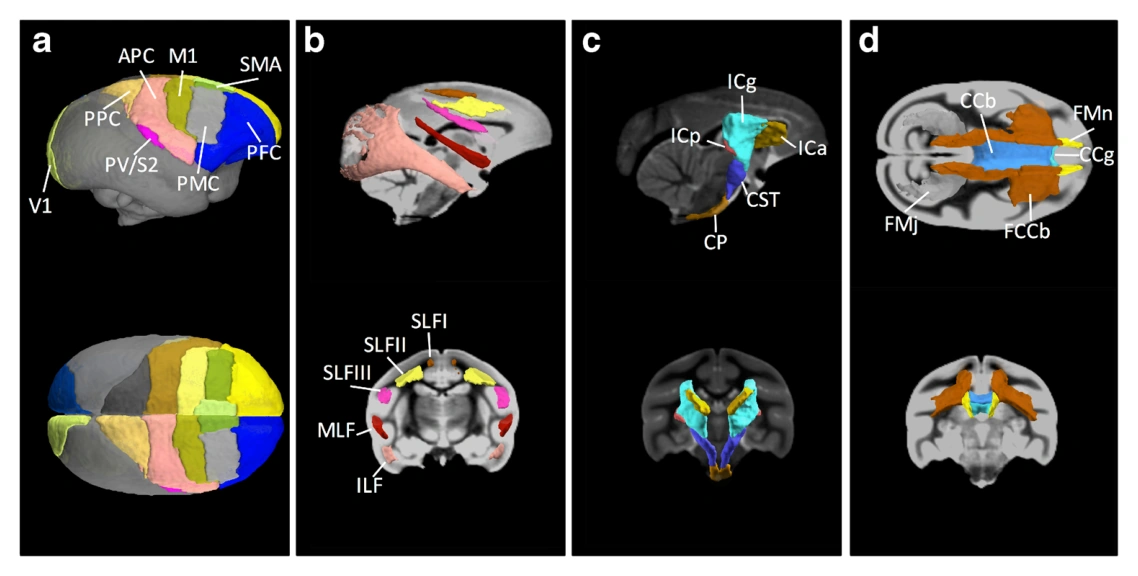
VALiDATe29 provides a common anatomical reference built from MRI of 29 squirrel monkeys. Structural, diffusion, and ex vivo templates are paired with cortical and white matter labels to support registration, regional measurements, and comparisons across animals and experiments.

Image ProcessingTractographyMicrostructure
Surface renderings of cortical and white matter labels in the VALiDATe29 squirrel monkey atlas.