Microstructure
& Connectivity Lab

Publication collection

Tractography

← All publications
2026
Human Brain MappingArticle

Lifespan Trajectories of Asymmetry in White Matter Tracts

Sam Bogdanov et al. · Last author: Kurt G. Schilling

White matter asymmetry changes with age and depends on which tissue or pathway feature is measured. Using 35,120 individuals from 50 studies, this work charts 30 paired pathways from birth to 100 years. It provides a reference for interpreting lateralization across development and aging.

LifespanTractographyMicrostructure
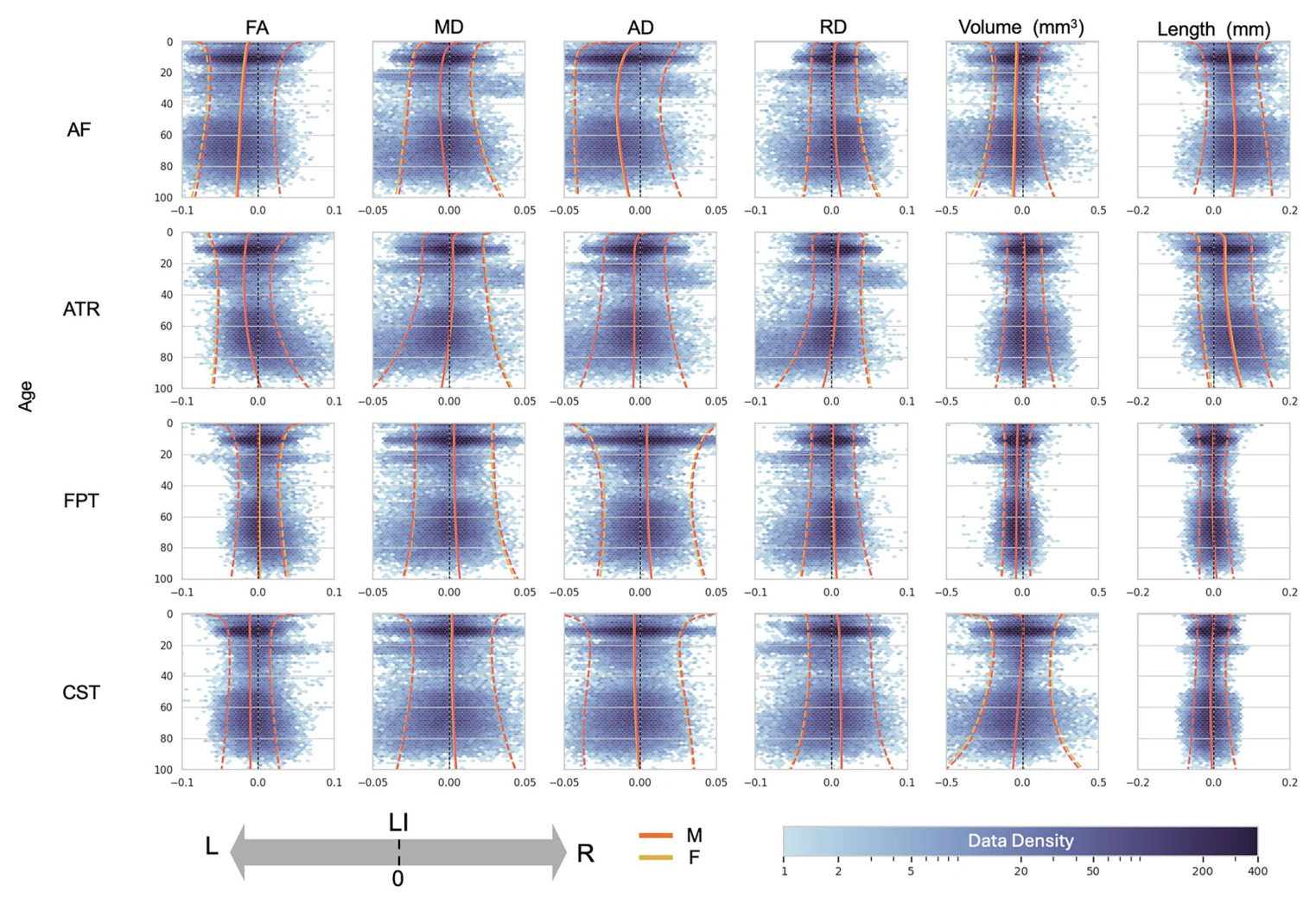
Examples of age-dependent white matter asymmetry across microstructural and macrostructural features.
2026
NatureArticle

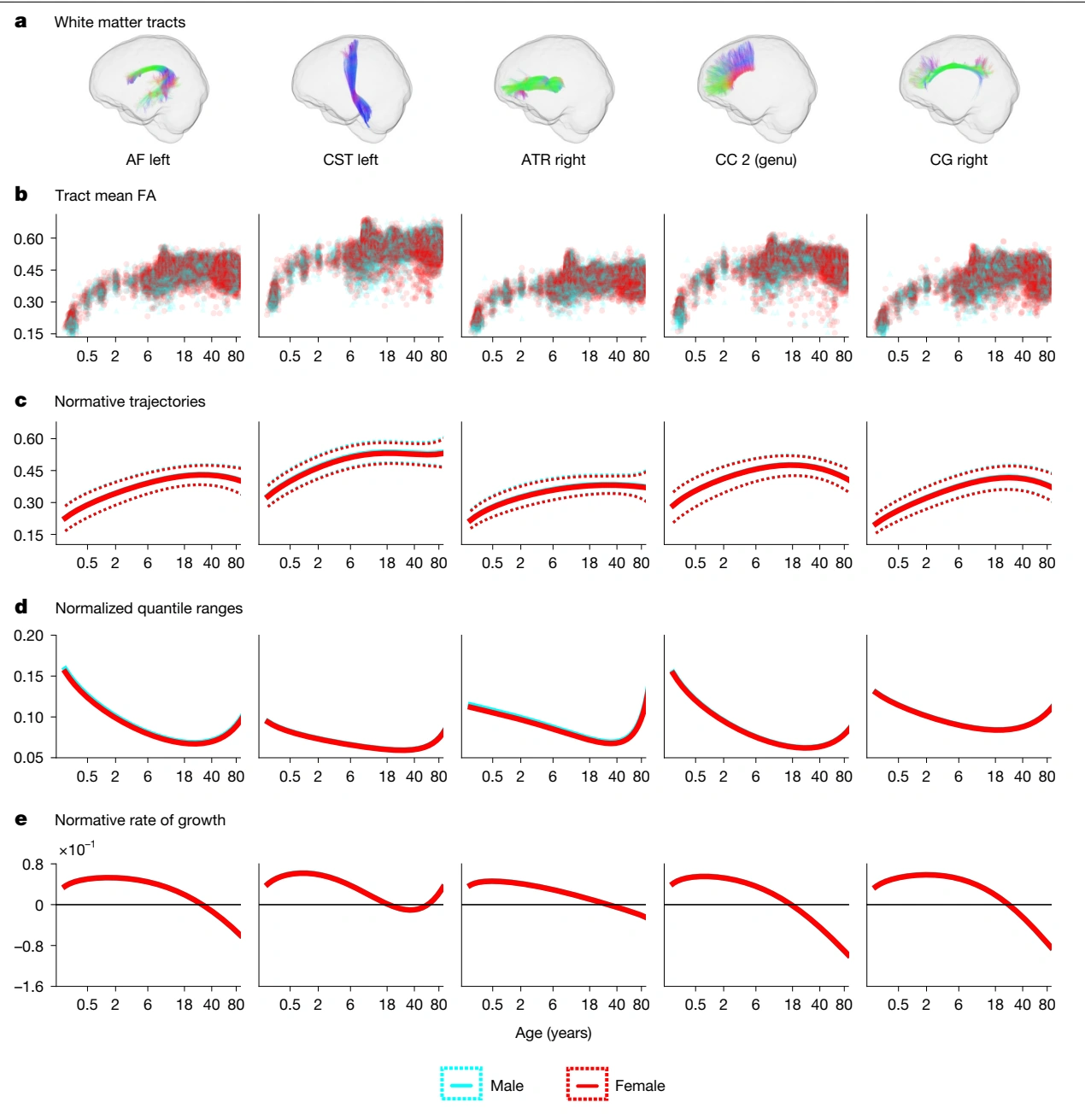
White matter micro- and macrostructure brain charts for the human lifespan

Michael E. Kim et al. · Last author: Kurt G. Schilling

White matter growth charts built from 35,120 brain scans provide reference trajectories from birth to 100 years. The study measures tissue properties and pathway shape across 72 tracts, enabling age- and sex-adjusted comparisons. Public models, processing tools, and shareable derived data support independent use of the charts.

LifespanMicrostructureTractography
Lifespan trajectories of white matter microstructure across major brain pathways.
2026
Magnetic Resonance ImagingArticle

Advancing high-resolution 7 T diffusion MRI: Evaluating phase-encoding correction strategies for distortion correction from basic to four-way acquisitions

Kurt G. Schilling, Alexander J.S. Beckett, Matthew Amandola, Erica B. Walker, David A. Feinberg, Silvia A. Bunge, An T. Vu

At 0.9 mm resolution on a NexGen 7T scanner, this study compares 11 time-matched diffusion acquisition and correction strategies. Four-direction phase encoding provides the strongest geometric fidelity and repeatability in five adults scanned twice. The findings inform high-resolution protocols for both fine superficial connections and long-range pathways.

Image ProcessingTractographyMicrostructure
High-resolution diffusion images and tractography from the four-direction phase-encoding acquisition.
2026
Human Brain MappingArticle

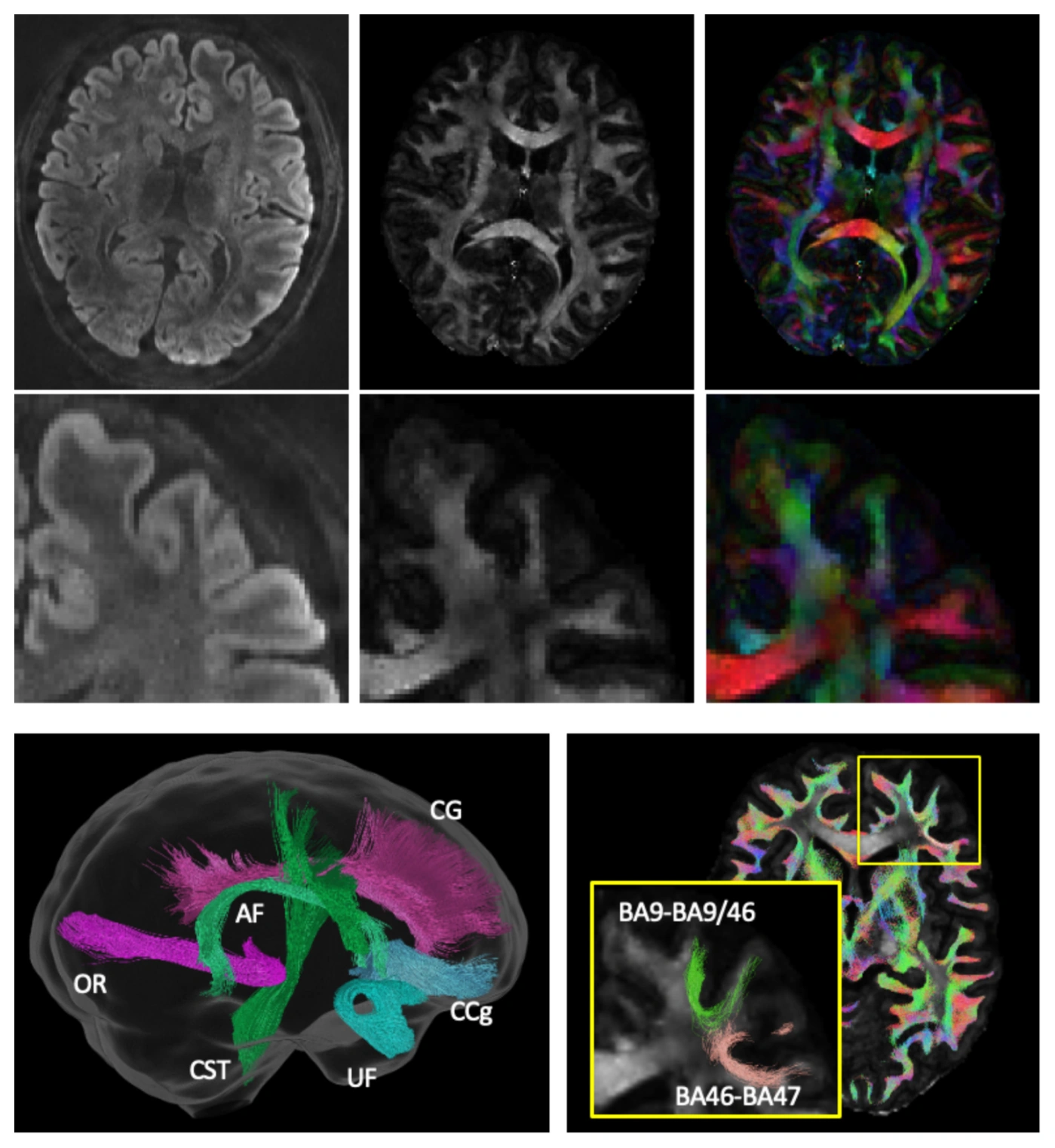
Bridging Histology and Tractography: First In Vivo Visualization of Short-Range Prefrontal Connections Informed by Primate Tract-Tracing

Matthew Amandola, Michael E. Kim, François Rheault, Bennett Landman, Kurt Schilling

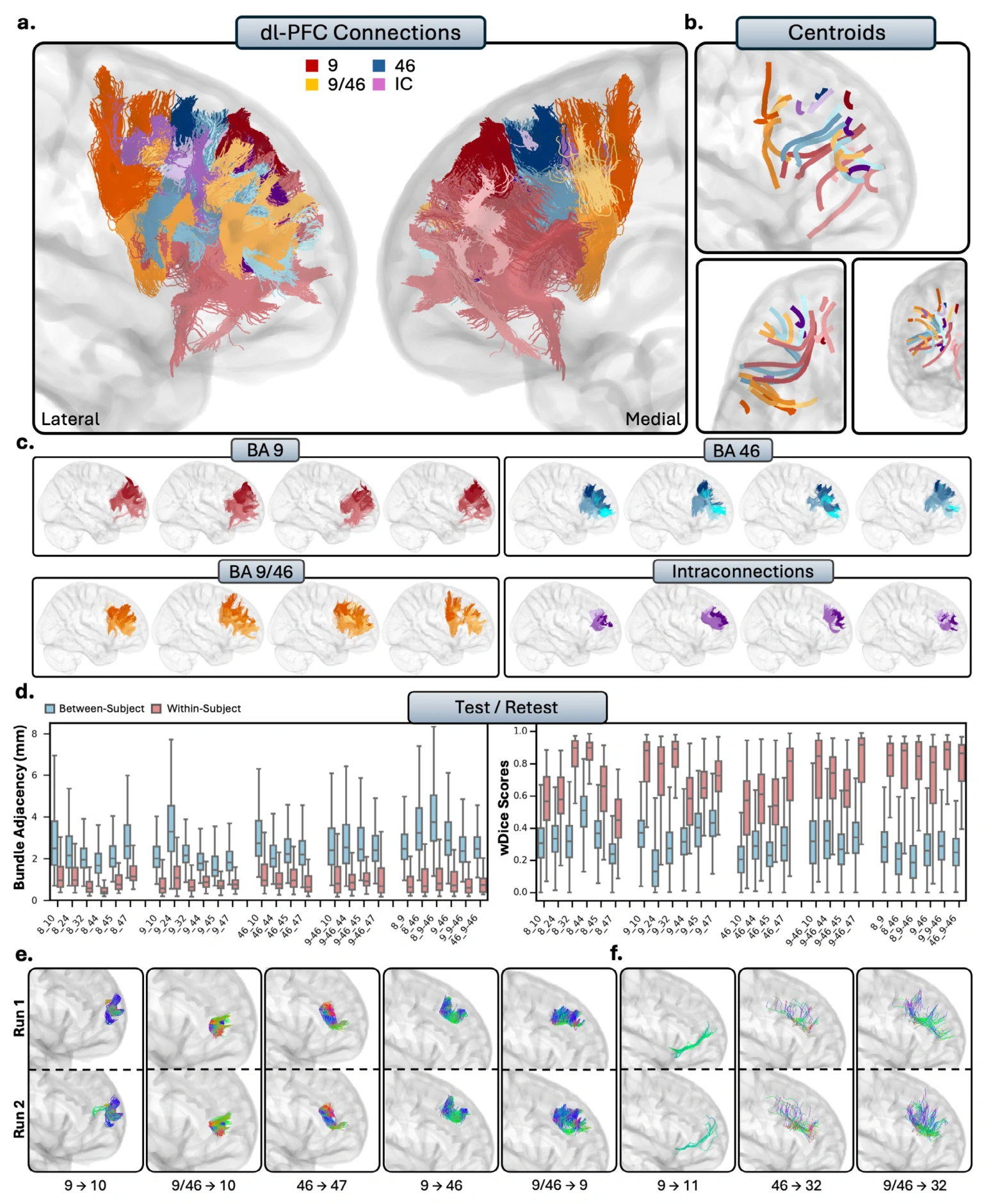
Anatomical evidence from primate tract tracing guides reconstruction of short connections within the living human prefrontal cortex. The study maps 91 connections in 1,003 participants, finding reproducible individual patterns and substantial variation between people. It offers a framework for studying local circuitry using anatomically informed diffusion tractography.

Tractography
Short-range dorsolateral prefrontal pathways reconstructed with guidance from primate tract-tracing evidence.
2026
Brain Structure and FunctionReview

Did you know? State-of-the-art preprocessing diffusion MRI data can improve tractography

Kurt G. Schilling et al. · Last author: Jelle Veraart

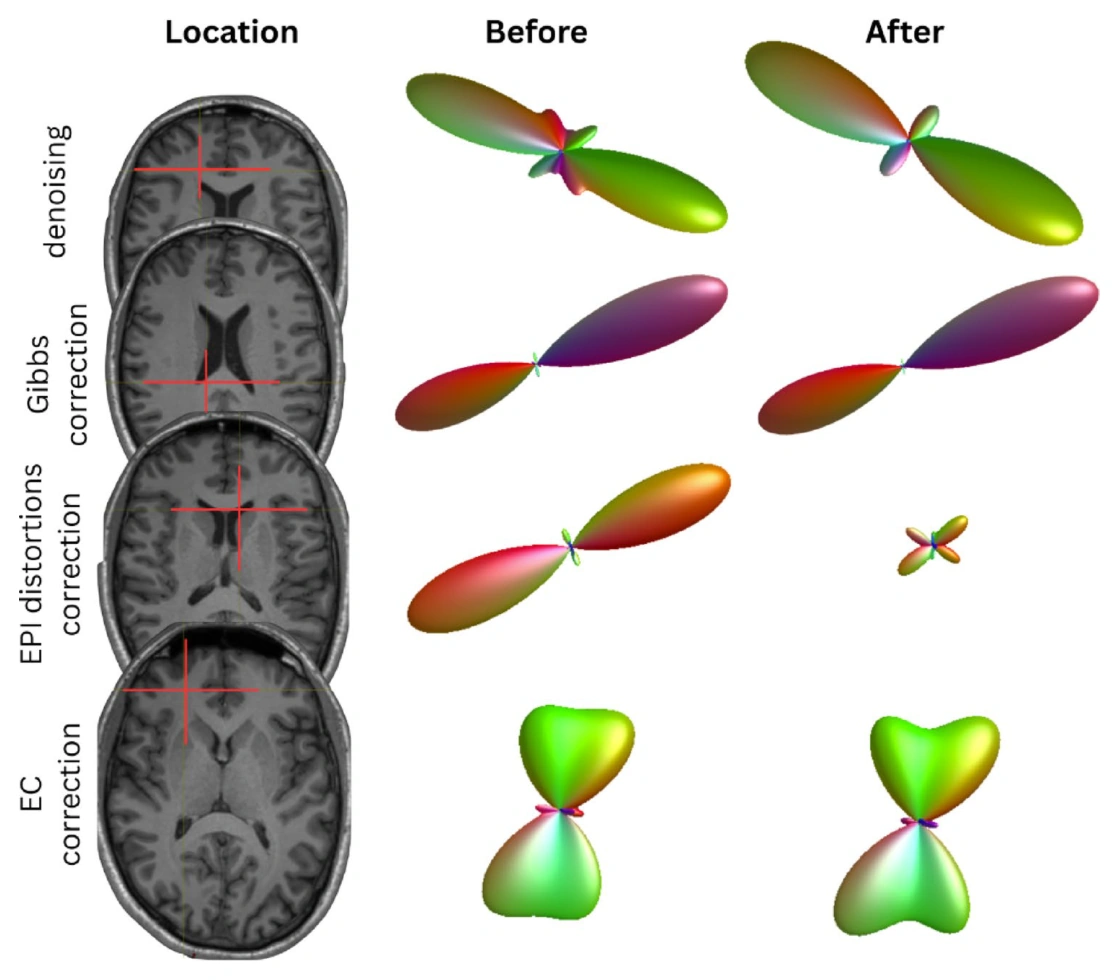
This review explains how modern diffusion MRI preprocessing improves the anatomical fidelity and repeatability of tractography. It brings together evidence for denoising and correction of motion, eddy currents, susceptibility distortion, and Gibbs ringing. Practical acquisition advice and integrated pipelines help researchers apply these methods consistently.

Image ProcessingTractographyReviews & Consensus
Effects of individual diffusion MRI preprocessing steps on fiber orientations and tractography.
2026
Brain Structure and FunctionReview

Diffusion tractography outside the brain: the road less travelled

Kurt G. Schilling et al. · Last author: Alexander Leemans

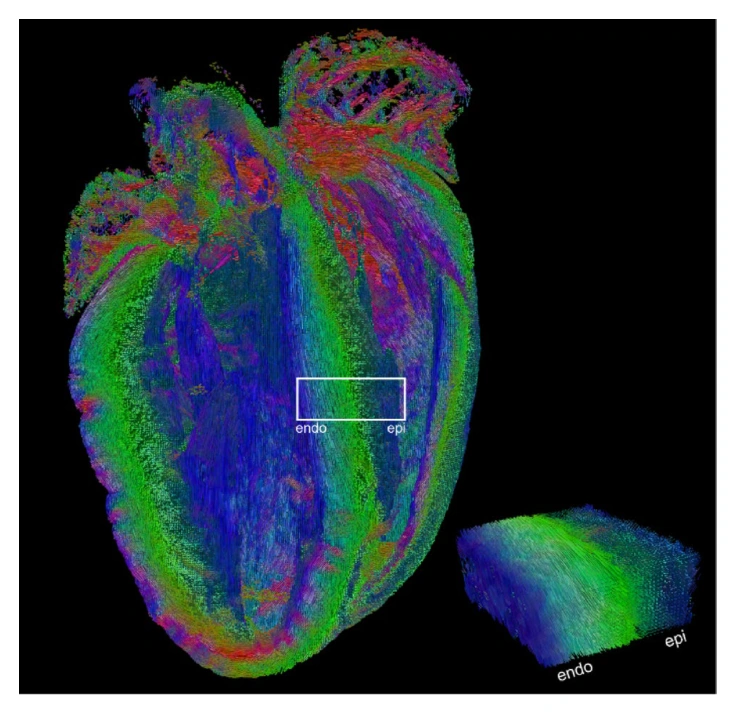
Tractography can probe organized tissue far beyond cerebral white matter. This review surveys applications in the spinal cord, heart, peripheral nerves, brachial plexus, kidney, skeletal muscle, and prostate. It explains the acquisition and modeling adaptations each region requires, together with the anatomical opportunities and unresolved interpretation challenges.

TractographySpinal CordReviews & Consensus
Ex vivo mouse heart tractography shows the changing orientation of cardiomyocytes through the ventricular wall.
2025
Brain Structure and FunctionCommentary

Atlas-based templates vs. subject-specific tractography: resolving the debate

Kurt G. Schilling, Fan Zhang, J-Donald Tournier, Francesco Vergani, Stamatios N. Sotiropoulos, Ariel Rokem, Lauren J. O’Donnell

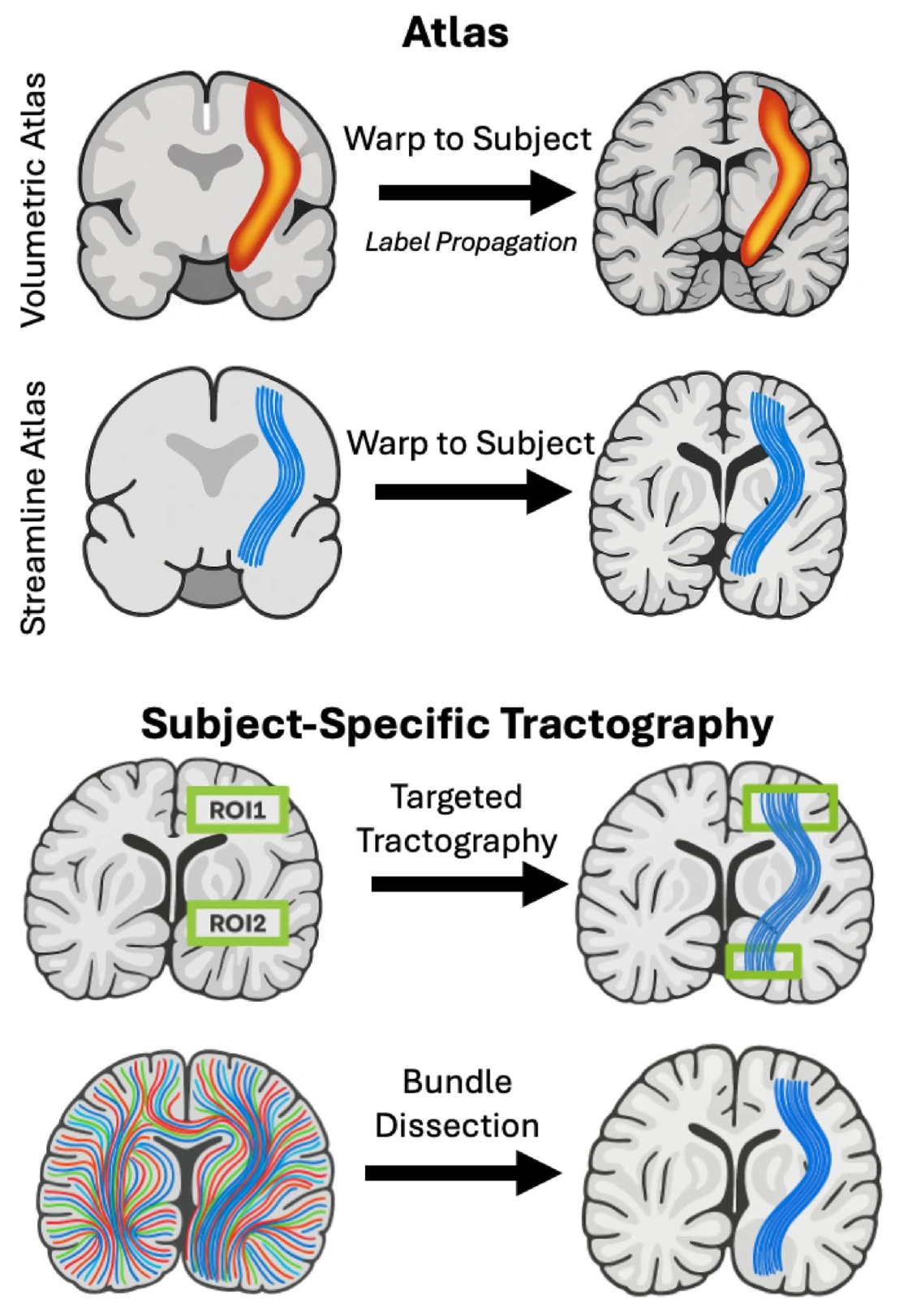
Atlas templates and subject-specific tractography answer overlapping but different anatomical questions. This debate article explains the strengths of standardized population references and individual pathway reconstruction. It outlines why methodological choices should follow the research question, especially when individual variation and pathway geometry are central to an analysis.

TractographyReviews & Consensus
Comparison of atlas propagation and subject-specific tractography workflows.
2025
Brain Structure and FunctionCommentary

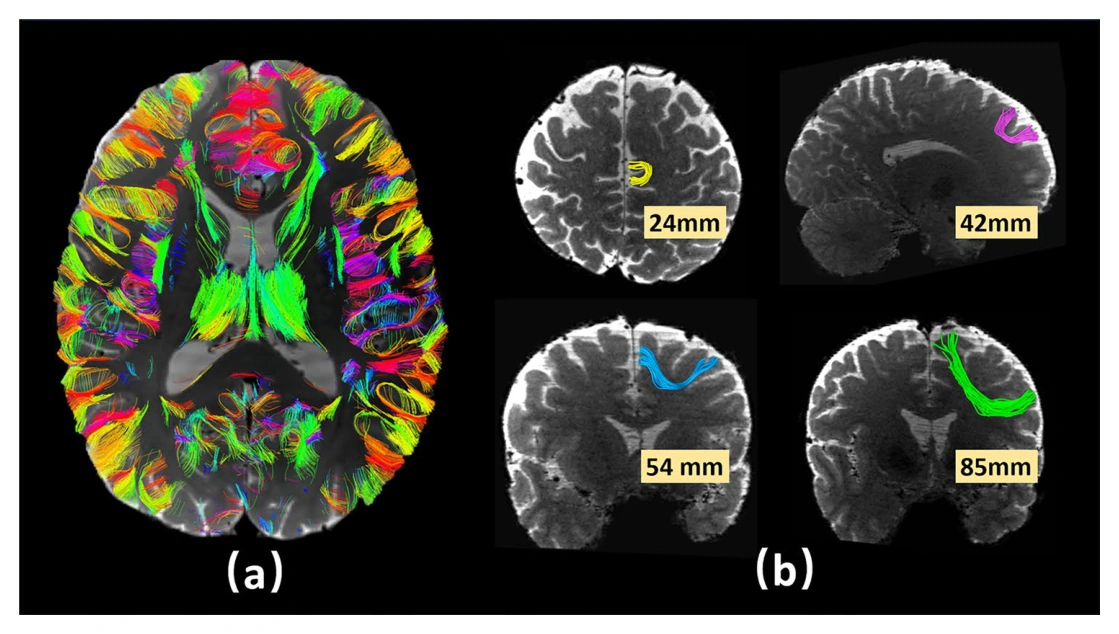
Short association fiber tractography: key insights and surprising facts

Kurt Schilling, Fan Zhang, Claudio Román, Lauren J. O’Donnell, Pamela Guevara

Short association fibers are numerous but challenging to reconstruct because of their small size, variable anatomy, and partial volume effects. This communication summarizes key anatomical and methodological insights. It describes how better images, adapted processing, and suitable tracking parameters are opening the superficial white matter to investigation.

TractographyReviews & Consensus
Short association fibers reconstructed in superficial white matter using high-resolution diffusion MRI.
2025
Human Brain MappingArticle

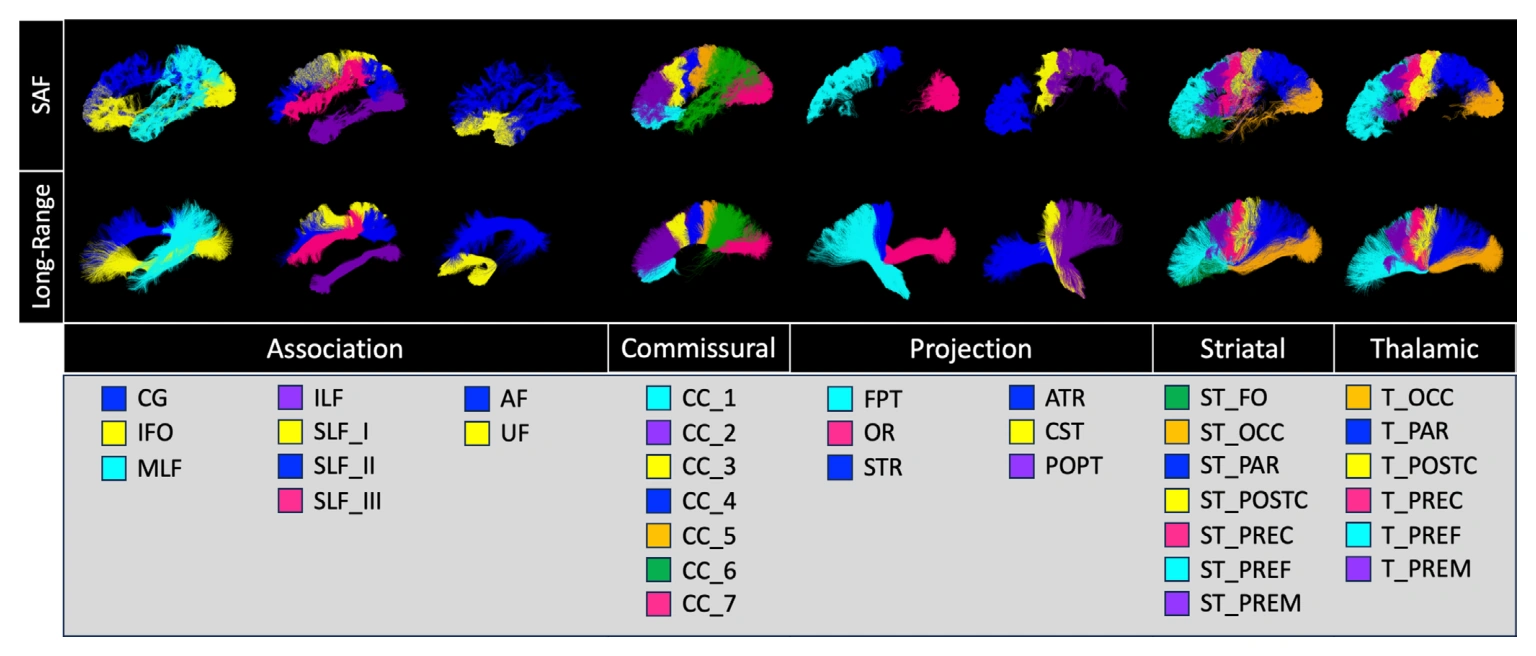
Microstructural Characterization of Short Association Fibers Related to Long-Range White Matter Tracts in Normative Development

Chloe Cho, Maxime Chamberland, Francois Rheault, Daniel Moyer, Bennett A. Landman, Kurt G. Schilling

This study compares the development of short association fibers and long-range pathways in 616 participants aged 5.6–21.9 years. Diffusion tensor and NODDI measurements reveal shared age-related patterns alongside distinct features of superficial white matter. The results provide a reference for future studies of atypical development.

MicrostructureLifespanTractography
Short association fibers mapped relative to long-range white matter pathways.
2025
Brain Structure and FunctionCommentary

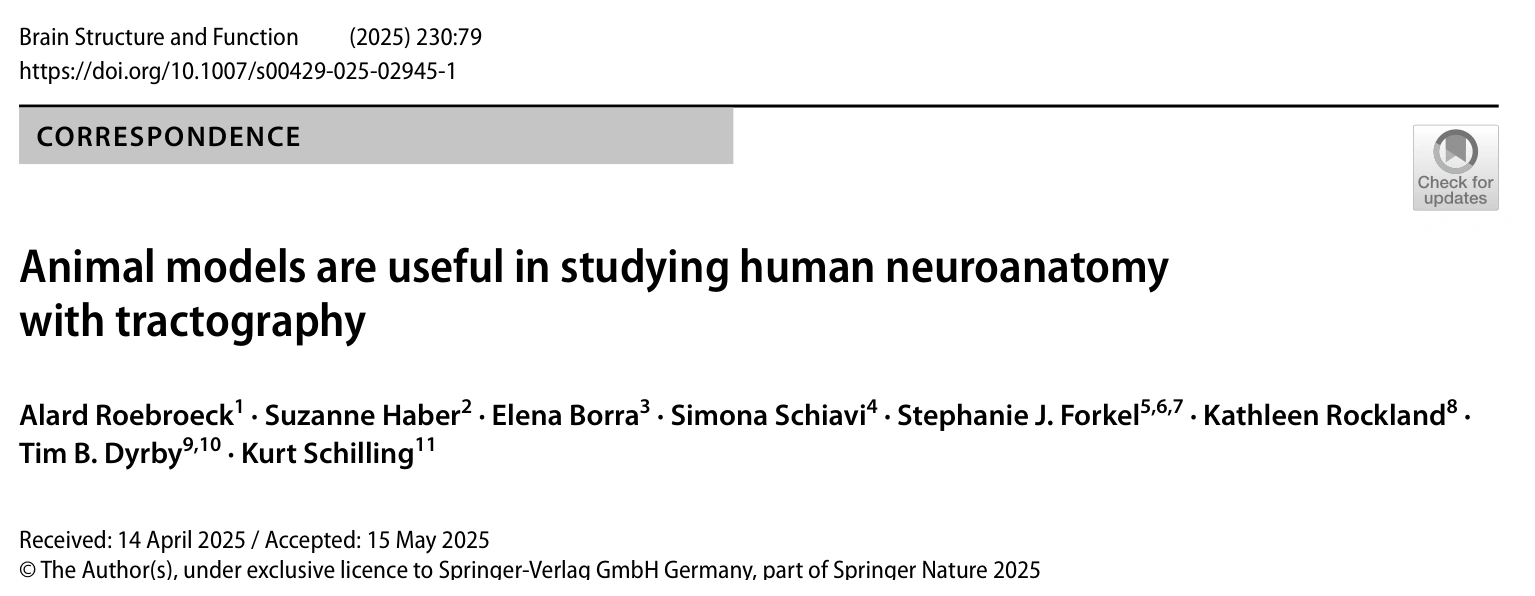
Animal models are useful in studying human neuroanatomy with tractography

Alard Roebroeck, Suzanne Haber, Elena Borra, Simona Schiavi, Stephanie J. Forkel, Kathleen Rockland, Tim B. Dyrby, Kurt Schilling

This short communication examines how animal models inform human tractography, drawing on a debate at the 2024 Tract-Anat Retreat. It highlights histological validation, high-resolution imaging, disease research, and comparative anatomy. The discussion also addresses species differences and the care required when translating findings to humans.

TractographyReviews & Consensus
Title and author block of the commentary Animal models are useful in studying human neuroanatomy with tractography.
2025
Scientific ReportsArticle

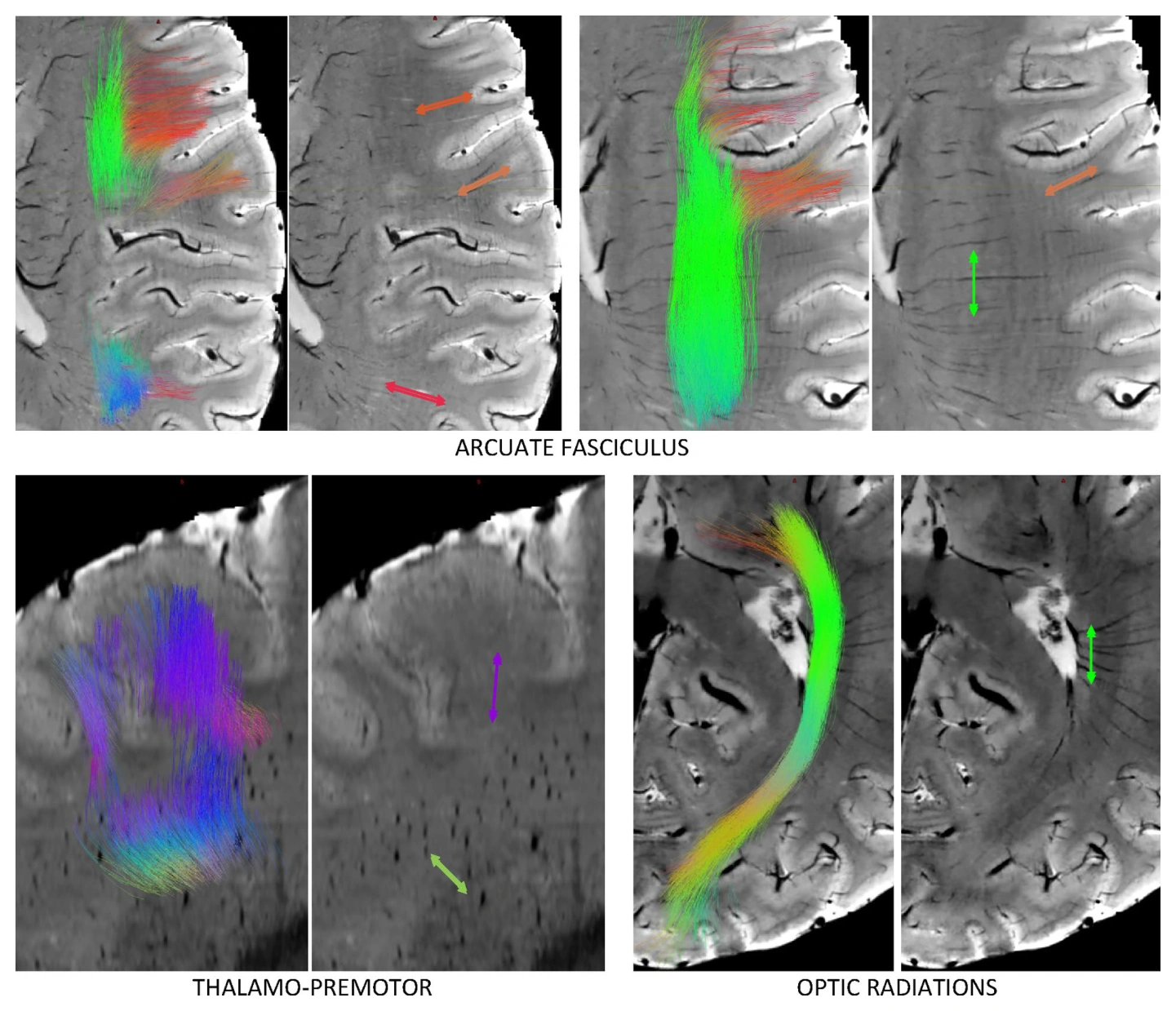
The relationship of white matter tract orientation to vascular geometry in the human brain

Kurt G. Schilling et al. · Last author: Bennett Landman

Diffusion and susceptibility-weighted imaging reveal how white matter pathways relate to the orientation of nearby blood vessels. Vessels often align with some local fiber populations but do not consistently follow the dominant tract direction or an entire pathway. The findings help interpret MRI contrasts influenced by both vascular and axonal geometry.

MicrostructureTractography
Examples of alignment and misalignment between white matter tract orientations and vasculature.
2025
Magnetic Resonance in MedicineReview

Considerations and recommendations from the ISMRM diffusion study group for preclinical diffusion MRI : Part 1: In vivo small-animal imaging

Ileana O. Jelescu et al. · Last author: Kurt G. Schilling

The first paper in the ISMRM preclinical diffusion MRI series presents community recommendations for imaging living small animals. It covers model selection, preparation, acquisition, processing, and interpretation, with an emphasis on reproducibility. The authors also identify open methodological questions and resources for sharing data and software.

Reviews & ConsensusMicrostructureTractography
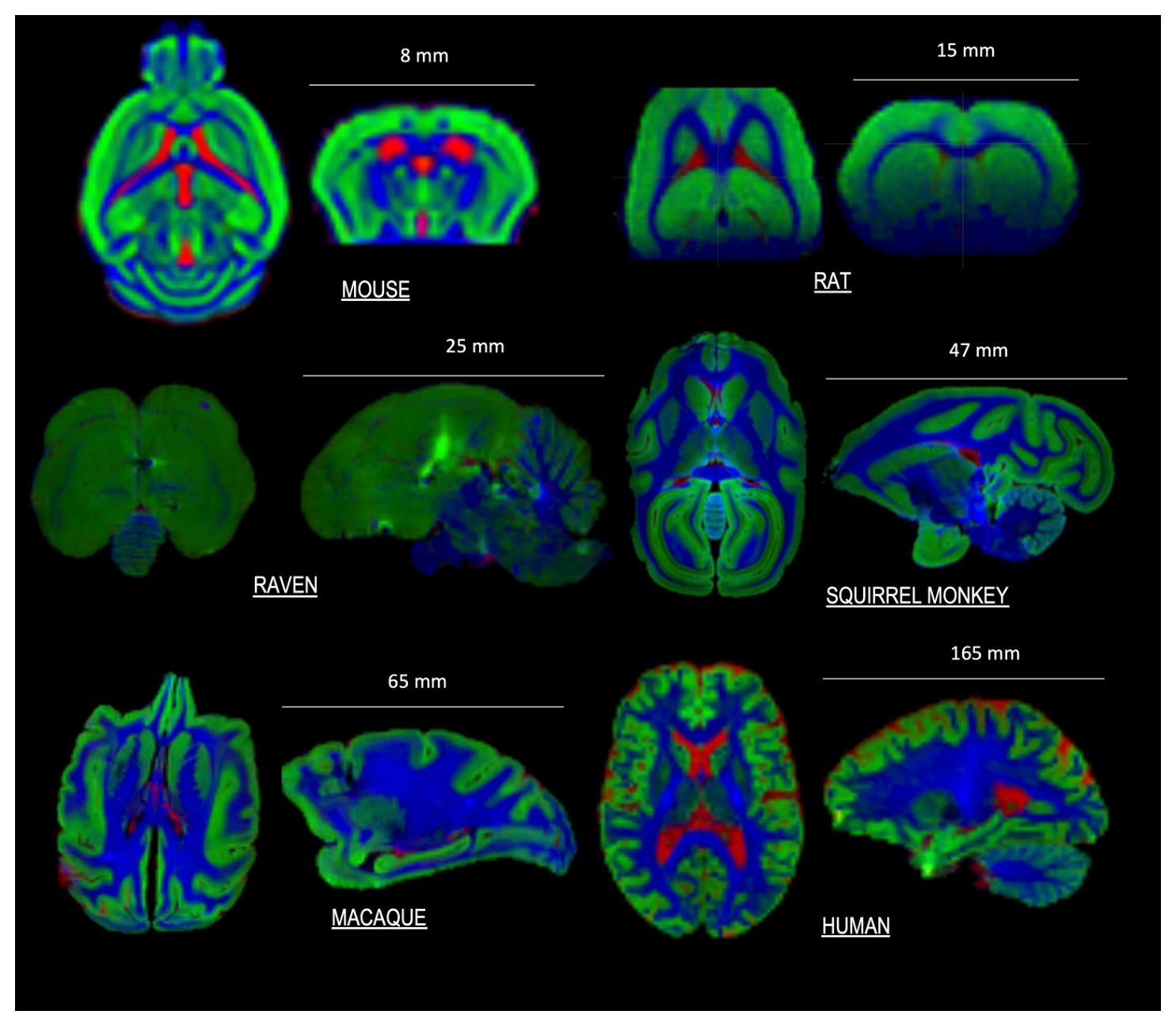
Diffusion MRI across small-animal models illustrates differences in brain size, geometry, and tissue organization.
2025
Magnetic Resonance in MedicineReview

Considerations and recommendations from the ISMRM Diffusion Study Group for preclinical diffusion MRI : Part 3—Ex vivo imaging: Data processing, comparisons with microscopy, and tractography

Kurt G. Schilling et al. · Last author: Ileana O. Jelescu

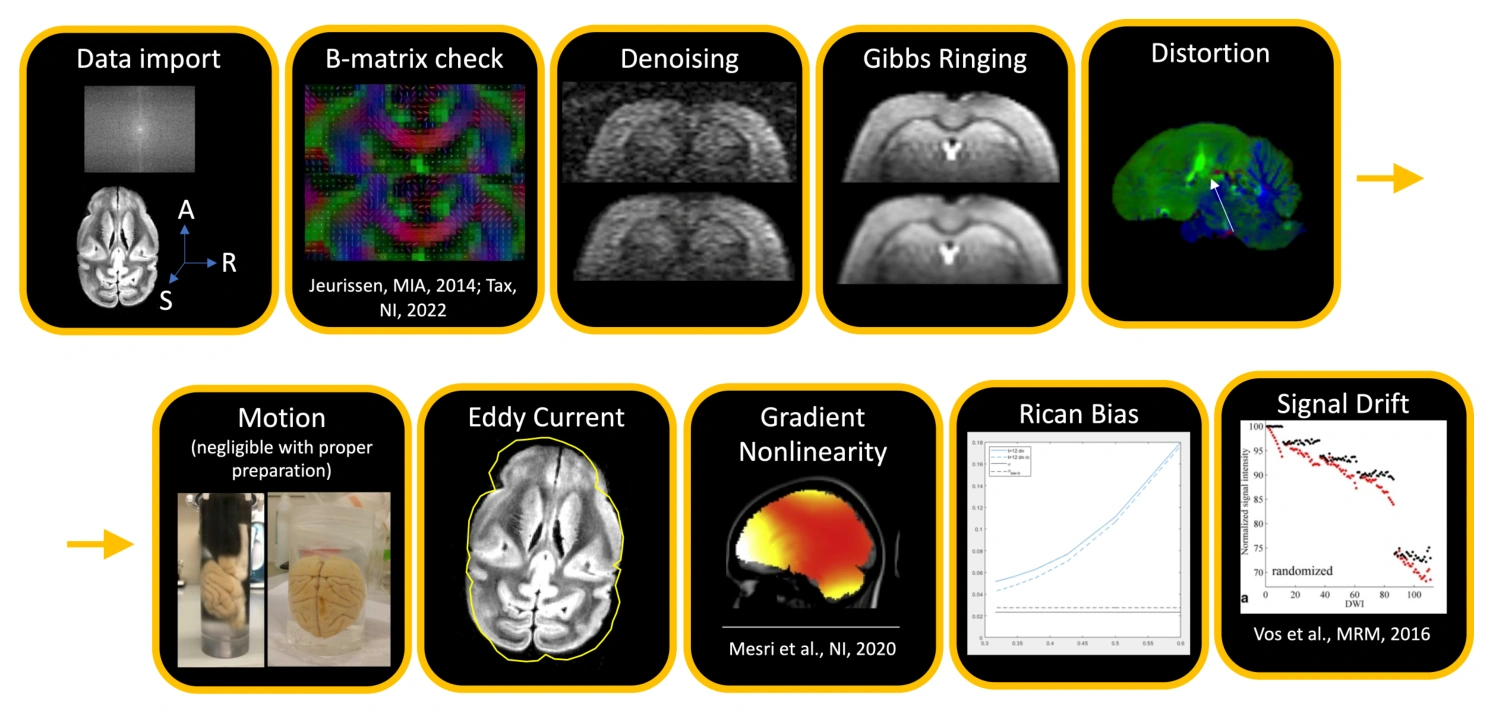
The third ISMRM preclinical diffusion MRI paper addresses ex vivo image processing, comparisons with microscopy, and tractography. It explains how fixed-tissue experiments require choices that differ from in vivo workflows. Community recommendations and unresolved questions guide the design and interpretation of rigorous, reproducible validation studies.

Reviews & ConsensusImage ProcessingTractography
Examples of artifacts addressed by preprocessing ex vivo diffusion MRI data.
2025
Handbook of Diffusion MR TractographyBook chapter

Tractography validation Part 1: Foundations, numerical simulations, and phantom models

Tim B. Dyrby, Els Fieremans, Francois Rheault, Adam W. Anderson, Marco Palombo, Silvio Sarubbo, Peter Neher, Kurt G. Schilling

This handbook chapter introduces the foundations of tractography validation and the roles of numerical simulations and physical phantoms. It explains how controlled reference systems can test reconstruction methods at different anatomical scales. The discussion helps researchers choose validation strategies and understand the limits of their conclusions.

TractographyReviews & Consensus
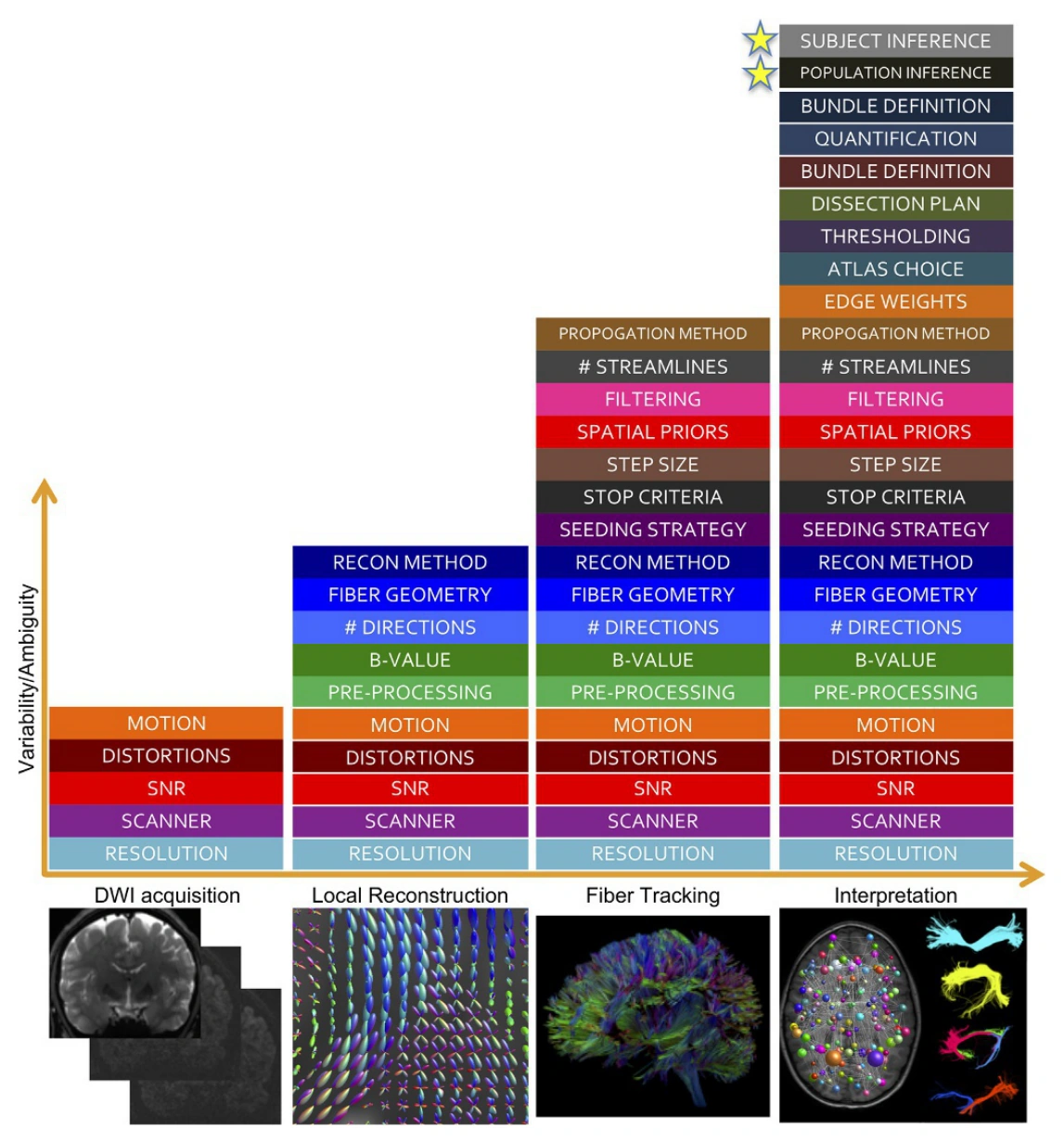
The tractography validation process spans acquisition, local orientation estimation, tracking, and anatomical interpretation.
2025
Handbook of Diffusion MR TractographyBook chapter

Tractography validation Part 2: The use of anatomical model systems and measures for validation

Tim B. Dyrby et al. · Last author: Kurt G. Schilling

The second tractography-validation chapter reviews anatomical reference systems, empirical validation when ground truth is unavailable, and ways to quantify agreement. It connects validation in real tissue with the practical interpretation of reconstructed pathways.

TractographyReviews & Consensus
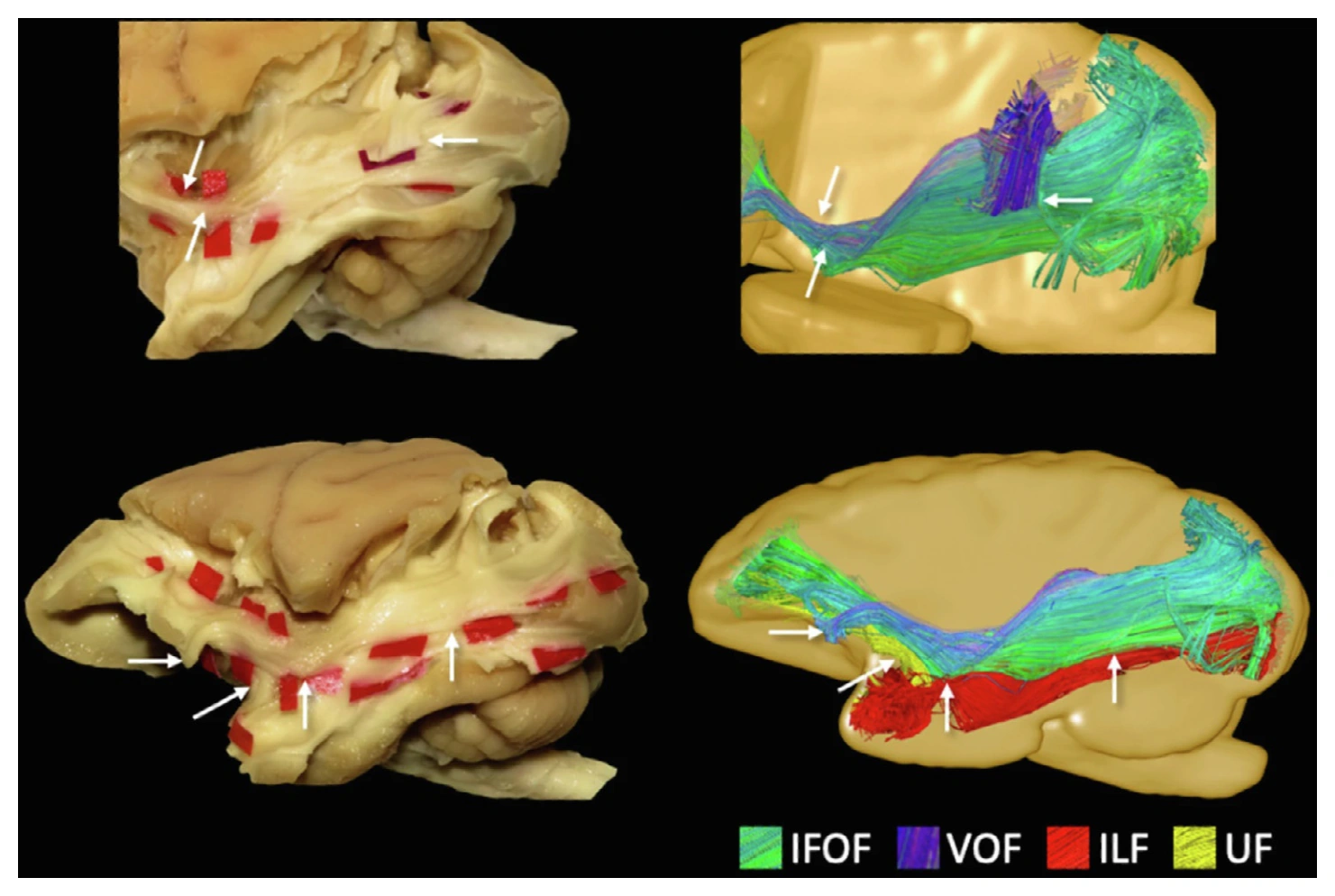
Microdissection and ex vivo diffusion tractography compared for association pathways in the same monkey brain.
2025
Handbook of Diffusion MR TractographyBook chapter

Tractography validation part 3: Lessons learned through validation studies

Kurt G. Schilling, Francois Rheault, Tim B. Dyrby

This handbook chapter synthesizes what validation studies have taught us about tractography. Evidence from simulations, phantoms, histology, and anatomical comparisons reveals both reliable capabilities and persistent limitations. The chapter connects complex tissue anatomy and reconstruction assumptions to the practical interpretation and continued development of diffusion MRI tractography.

TractographyReviews & Consensus
Differences in anatomical definitions and dissection protocols alter reconstructed pathway size, shape, and connections.
2023
Aging BrainArticle

Short superficial white matter and aging: A longitudinal multi-site study of 1293 subjects and 2711 sessions

Kurt G. Schilling et al. · Last author: Bennett A. Landman

Short superficial white matter pathways show widespread age-related diffusion changes and regionally varying reductions in length and volume. Data from 1,293 participants distinguish changes in fibers connecting neighboring gyri from those running within a gyrus, extending aging research beyond long-range bundles.

LifespanTractographyMicrostructure
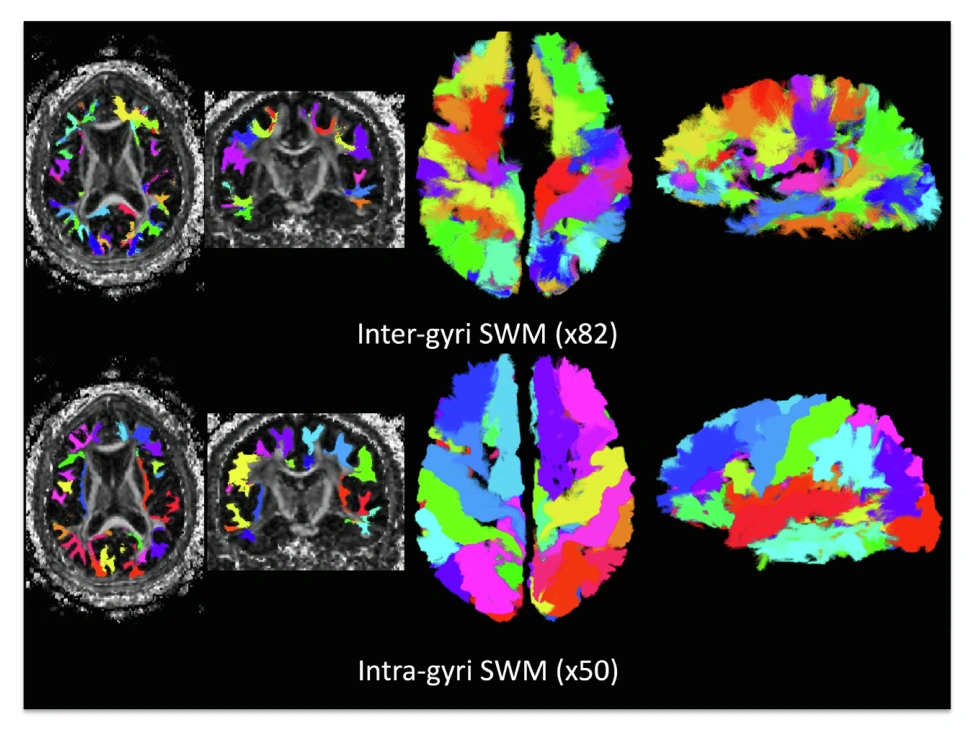
The short superficial white matter pathways used to characterize aging across longitudinal cohorts.
2023
Brain Structure and FunctionArticle

Superficial white matter across development, young adulthood, and aging: volume, thickness, and relationship with cortical features

Kurt G. Schilling et al. · Last author: Bennett A. Landman

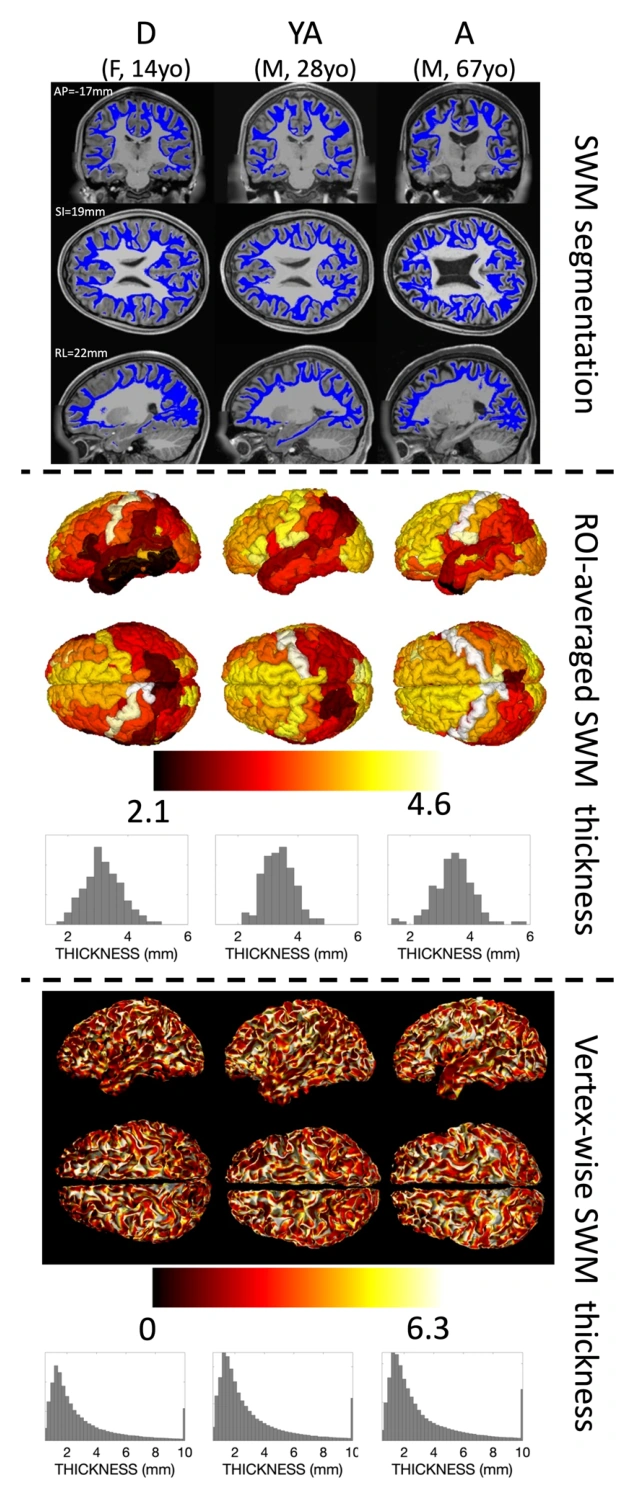
Imaging from 2,421 people aged 5–100 maps how the thickness and volume of superficial white matter vary across the brain and lifespan. These features follow region-specific trajectories and relate to cortical thickness and curvature, adding an often-missing component to descriptions of brain maturation and aging.

LifespanTractography
Superficial white matter segmentation and thickness maps across representative ages.
2023
Imaging NeuroscienceArticle

White matter tract microstructure, macrostructure, and associated cortical gray matter morphology across the lifespan

Kurt G. Schilling et al. · Last author: Bennett A. Landman

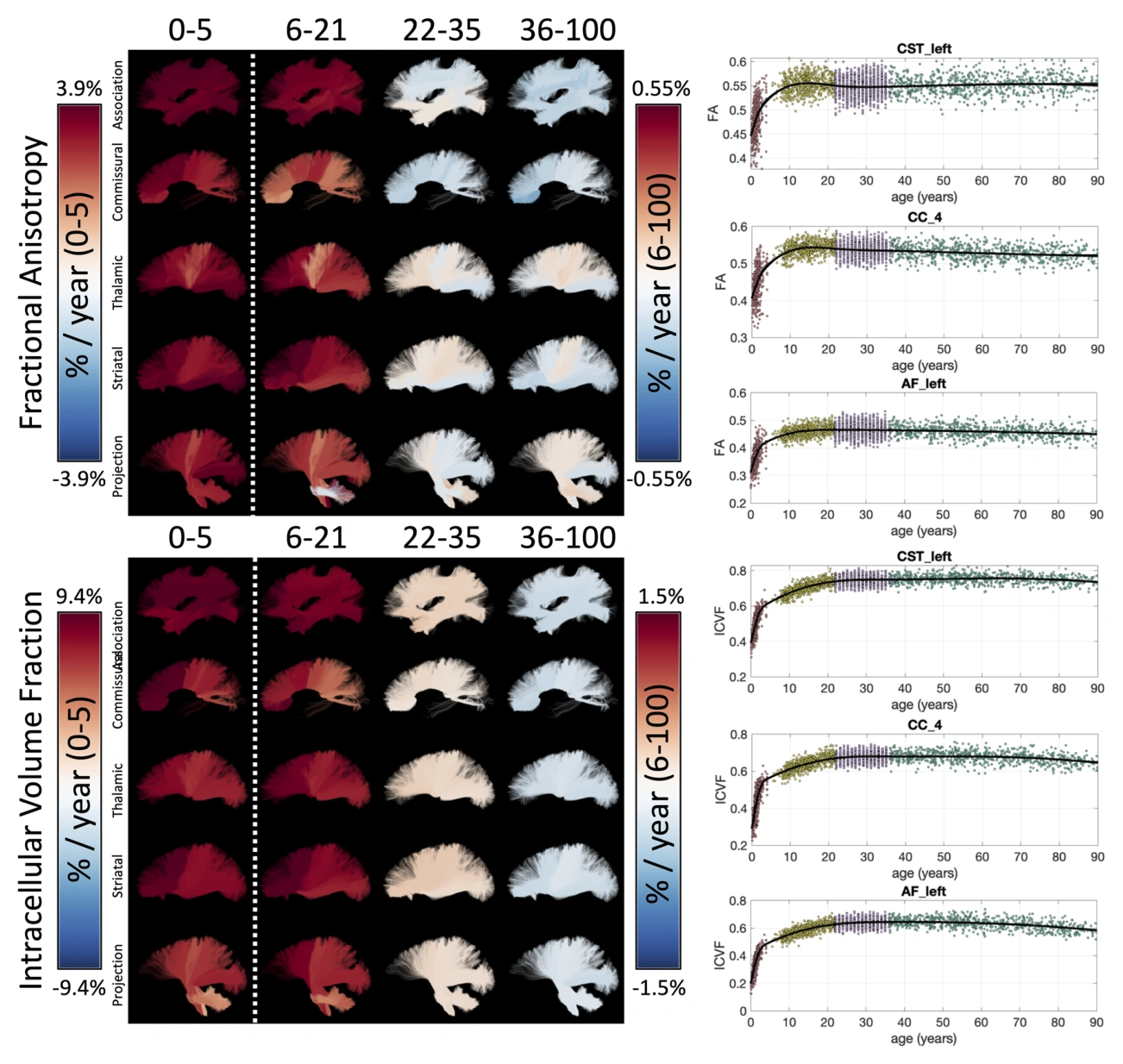
Across 2,789 imaging sessions spanning ages 0–100, this study links tract microstructure, tract geometry, and the morphology of connected cortex. Different features and pathways mature and decline on different schedules, and developmental age associations are related to patterns observed during aging.

LifespanTractographyMicrostructure
Tract-specific lifespan trajectories of fractional anisotropy and intracellular volume fraction.
2022
Brain Structure and FunctionArticle

Aging and white matter microstructure and macrostructure: a longitudinal multi-site diffusion MRI study of 1218 participants

Kurt G. Schilling et al. · Last author: Bennett A. Landman

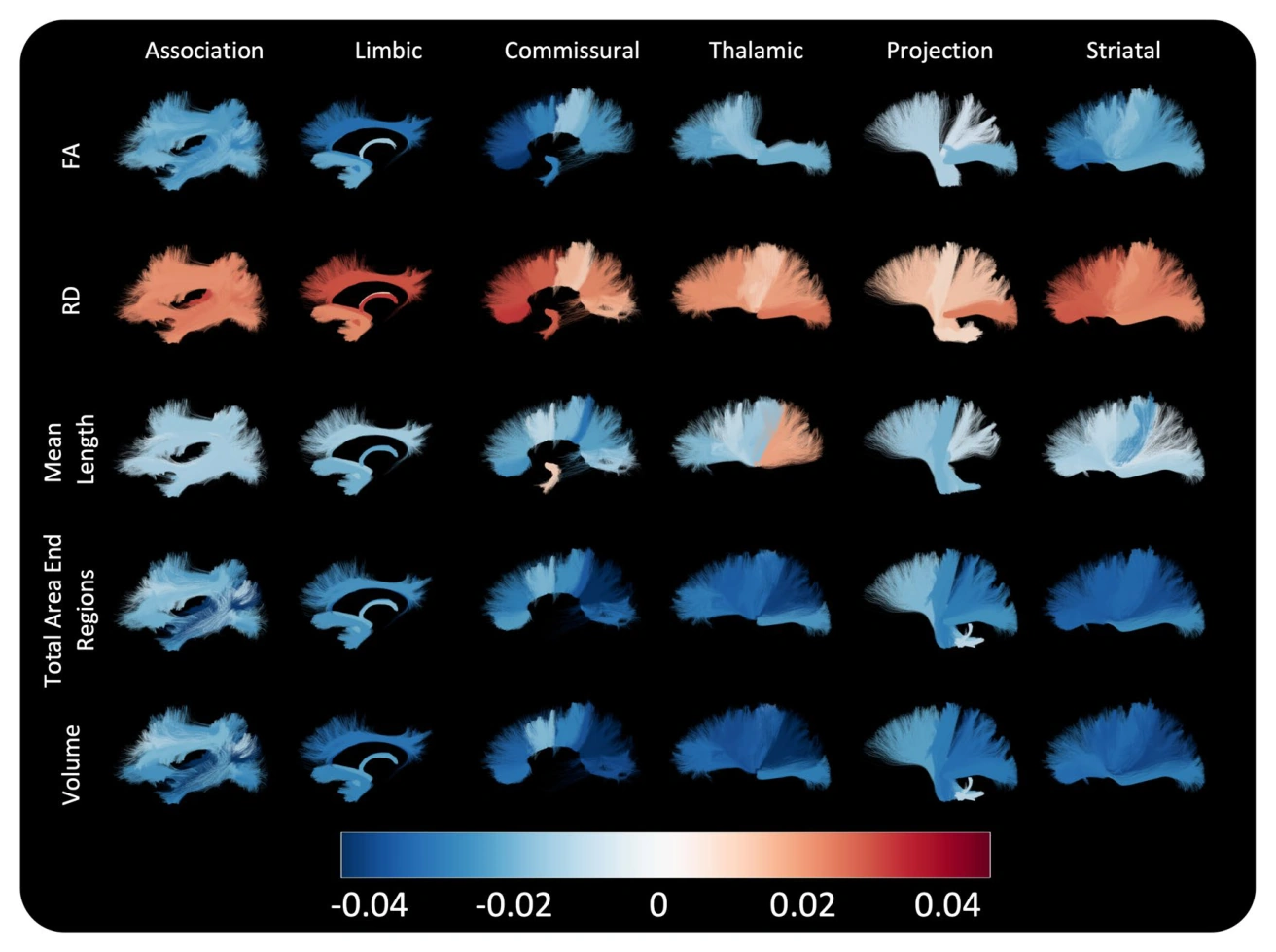
Across 1,218 older adults, diffusion measurements and tract shape both changed with age. Microstructural trends were relatively widespread, while volume, length, and surface-area changes differed more across pathways, suggesting that bundle geometry adds complementary information about aging.

LifespanTractographyMicrostructure
White matter pathways colored by age associations with microstructural and shape measurements.
2022
Human Brain MappingArticle

Prevalence of white matter pathways coming into a single white matter voxel orientation: The bottleneck issue in tractography

Kurt G. Schilling, Chantal M. W. Tax, Francois Rheault, Bennett A. Landman, Adam W. Anderson, Maxime Descoteaux, Laurent Petit

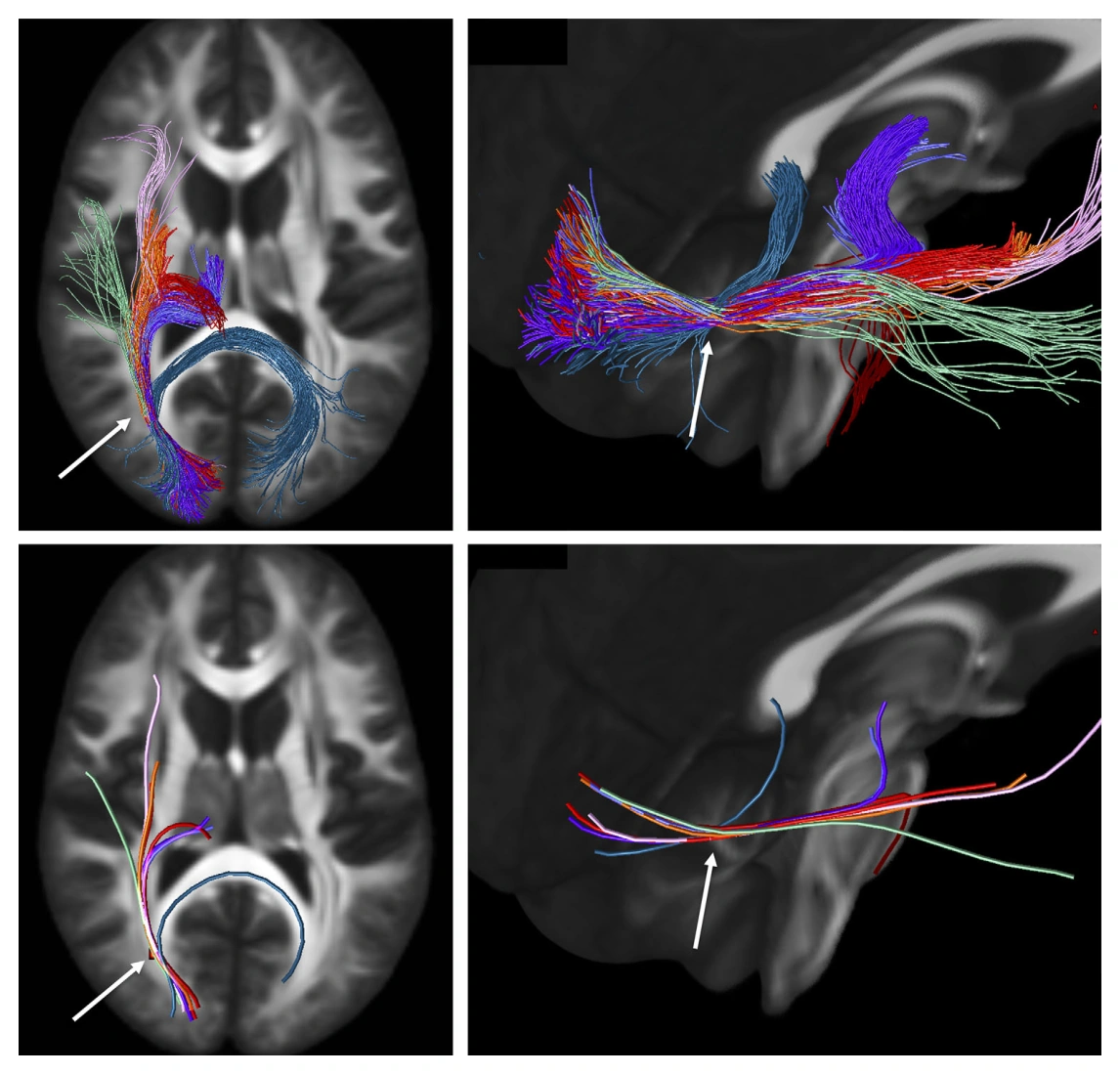
Distinct white matter bundles frequently share the same local orientation before diverging, creating ambiguities that better crossing-fiber detection cannot resolve. This study maps such bottlenecks across the brain and finds them throughout major pathway classes, including regions often described as containing a single fiber orientation.

TractographyMicrostructure
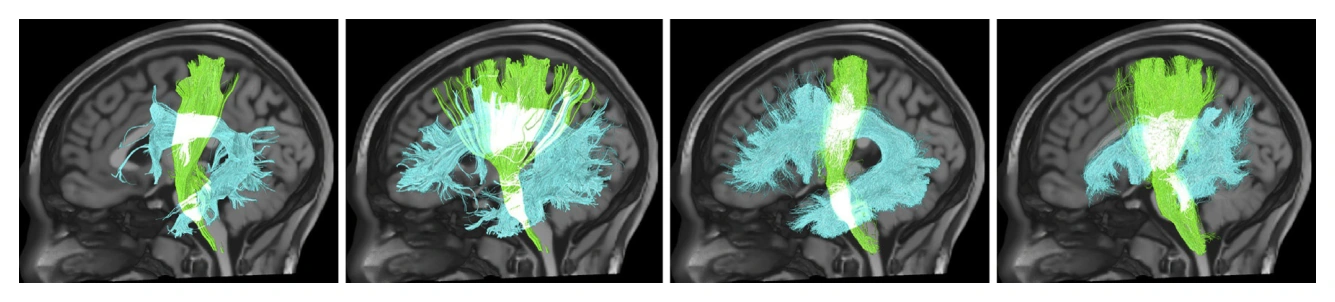
Distinct pathways converge within a small occipital white matter region, illustrating the tractography bottleneck problem.
2021
NeuroImageArticle

Fiber tractography bundle segmentation depends on scanner effects, vendor effects, acquisition resolution, diffusion sampling scheme, diffusion sensitization, and bundle segmentation workflow

Kurt G. Schilling et al. · Last author: Bennett A. Landman

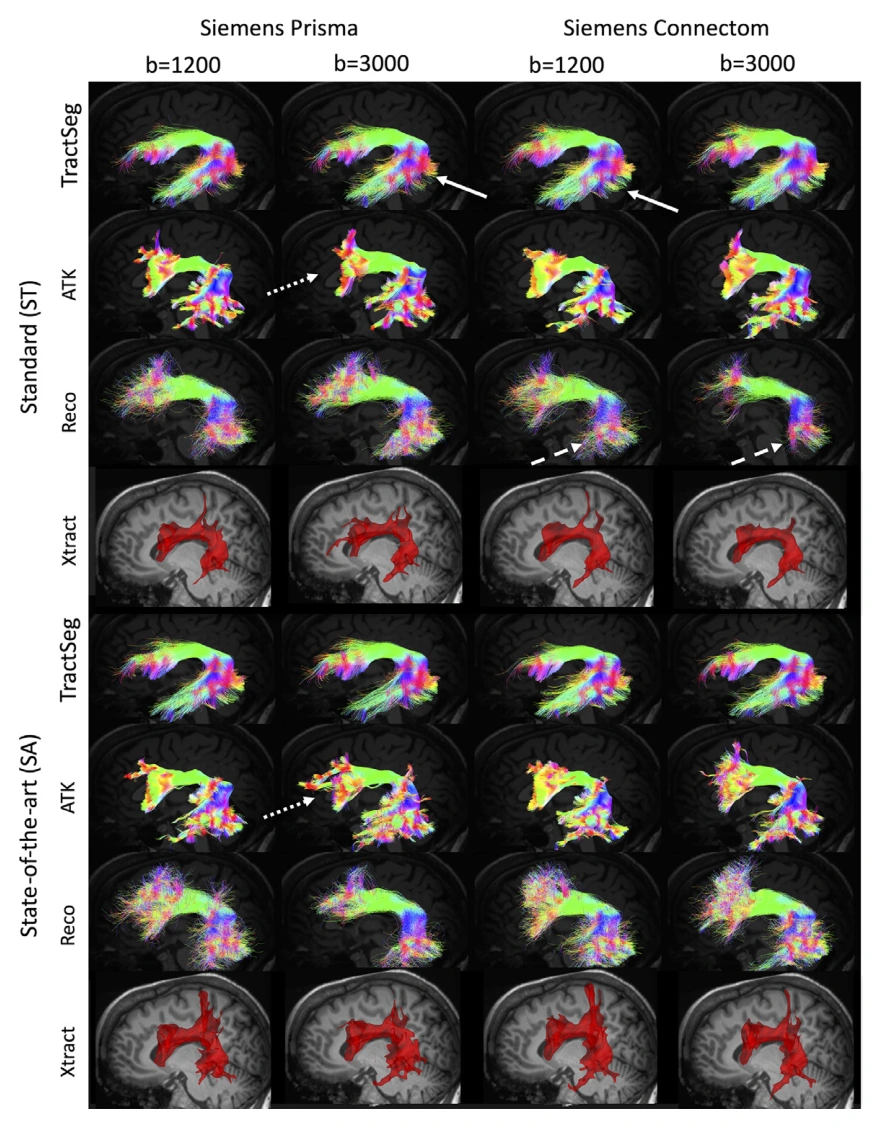
Four bundle-segmentation workflows reveal how scanner, vendor, and acquisition changes affect white matter measurements. Spatial resolution was a major acquisition confound, while differences between segmentation workflows exceeded every other tested source of variation, particularly near the cortex.

TractographyImage Processing
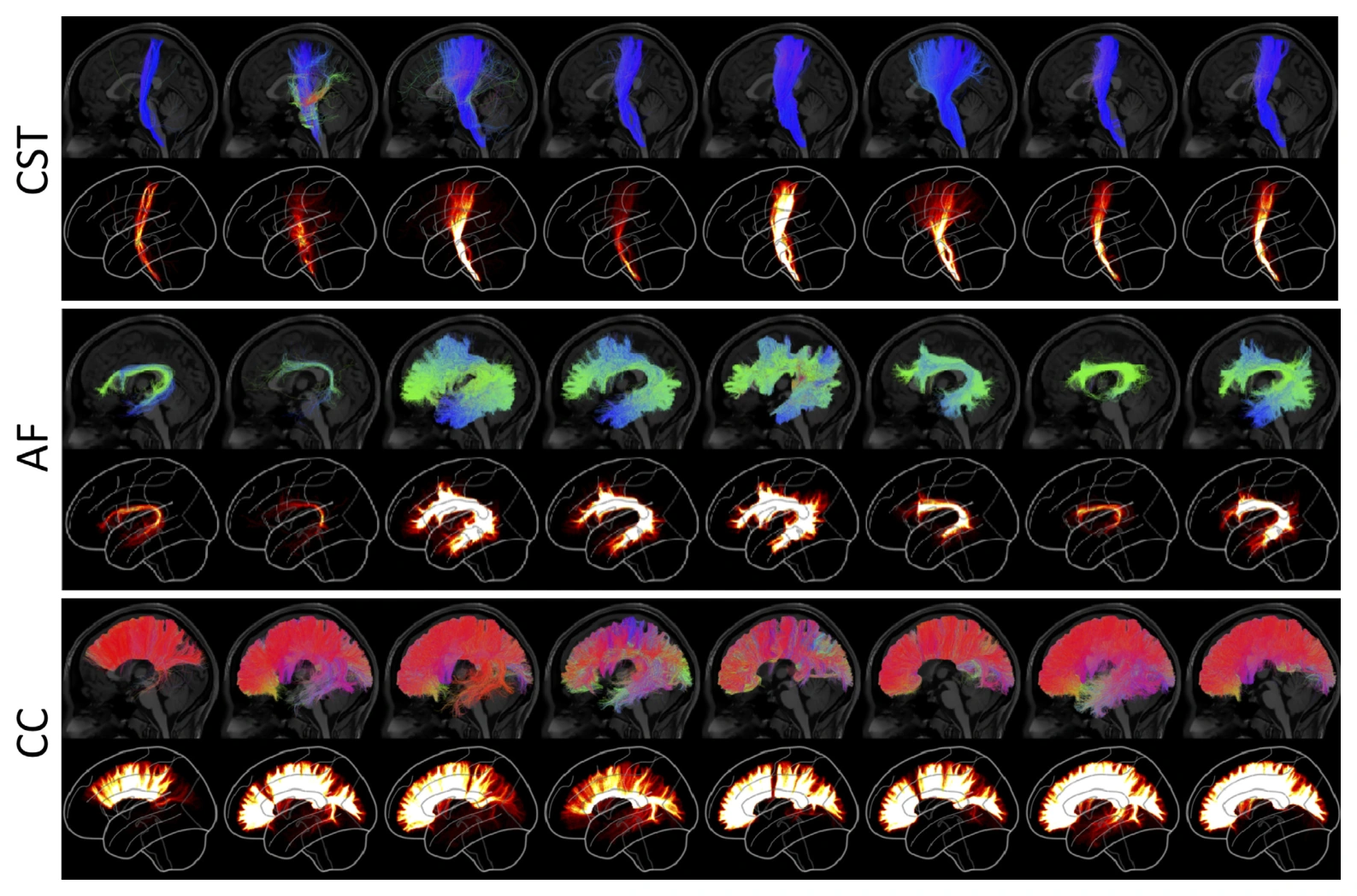
Arcuate fasciculus reconstructions vary across scanners, acquisitions, diffusion weighting, and segmentation workflows.
2021
NeuroinformaticsArticle

Pandora: 4-D White Matter Bundle Population-Based Atlases Derived from Diffusion MRI Fiber Tractography

Colin B. Hansen et al. · Last author: Kurt G. Schilling

Pandora provides population-based maps of 216 white matter bundles derived from 2,443 people using six automated tractography approaches. Its overlapping bundle representations support anatomical localization and comparison across studies without treating white matter as a single uniform region.

TractographyImage Processing
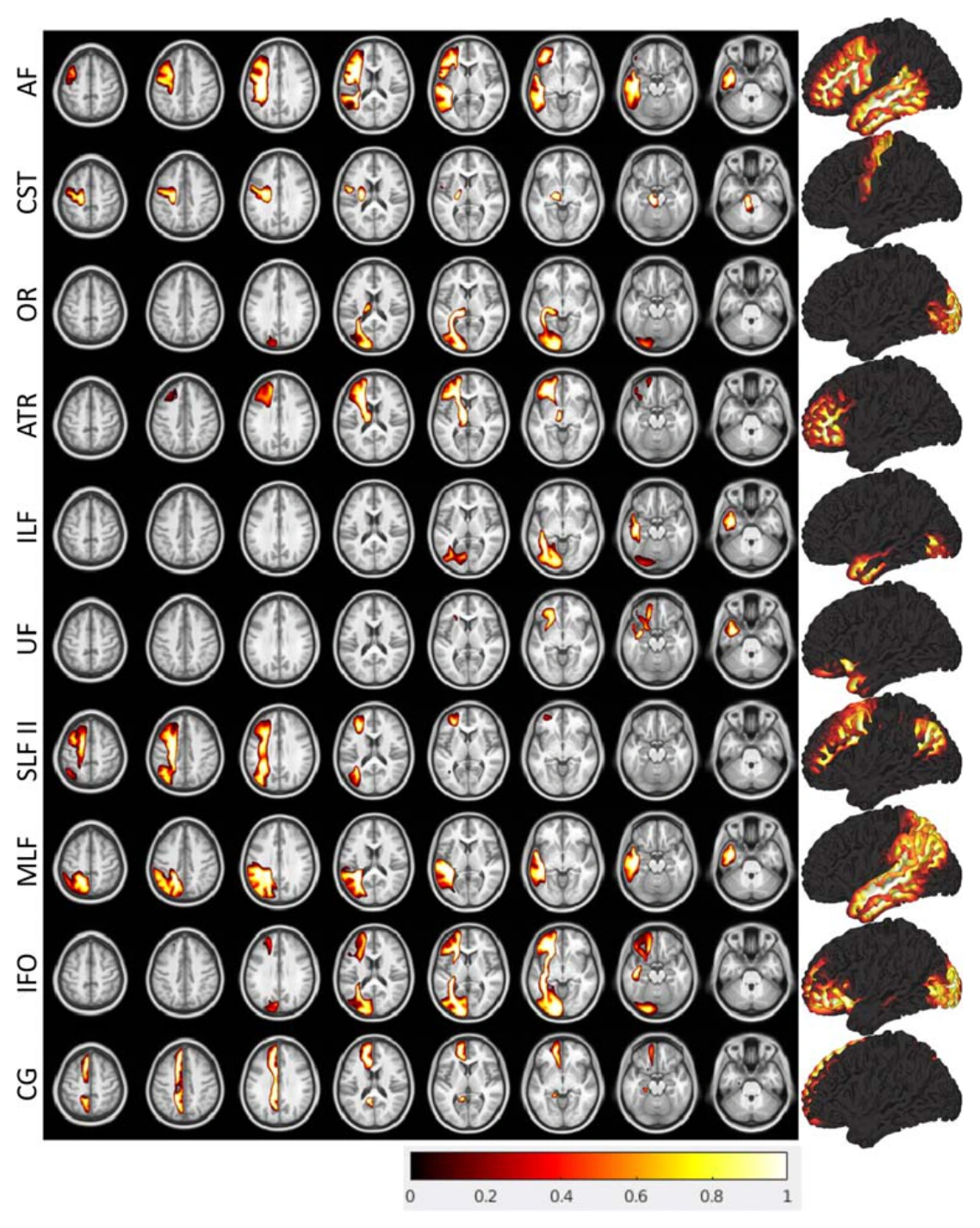
Example white matter pathways represented in Pandora volumetric and surface atlases.
2021
NeuroImageArticle

Tractography dissection variability: What happens when 42 groups dissect 14 white matter bundles on the same dataset?

Kurt G. Schilling et al. · Last author: Maxime Descoteaux

Forty-two teams dissected fourteen bundles from identical tractograms, revealing large differences in what researchers call the same pathway. Variation between dissection protocols exceeded within-protocol and between-person variation, demonstrating the need for clearer anatomical definitions and reproducible segmentation rules.

TractographyImage Processing
Different bundle-dissection protocols yield different reconstructions from the same tractogram.
2020
Brain Structure and FunctionArticle

Brain connections derived from diffusion MRI tractography can be highly anatomically accurate—if we know where white matter pathways start, where they end, and where they do not go

Kurt G. Schilling, Laurent Petit, Francois Rheault, Samuel Remedios, Carlo Pierpaoli, Adam W. Anderson, Bennett A. Landman, Maxime Descoteaux

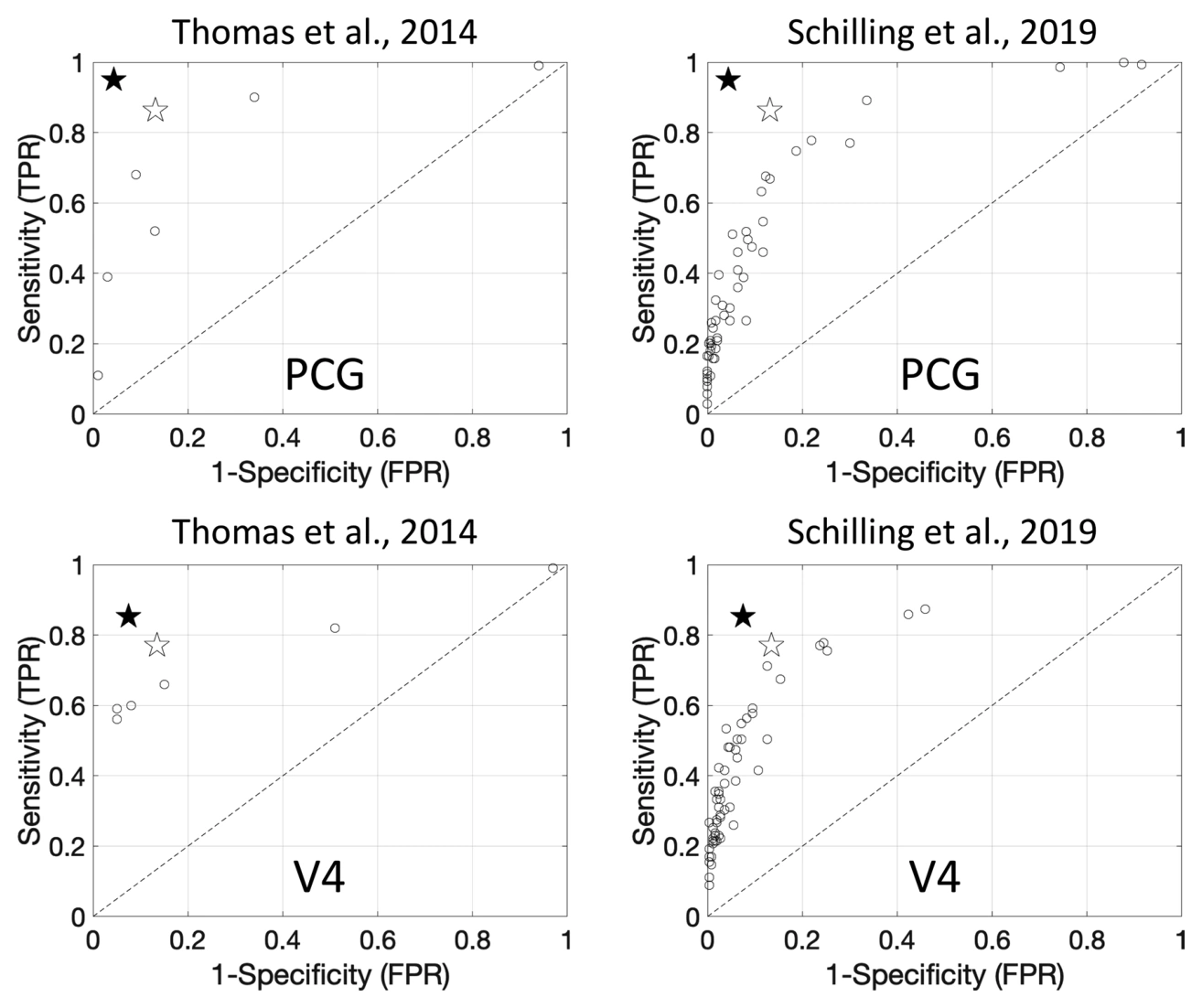
Anatomical inclusion and exclusion constraints substantially improve tractography in a previously studied validation dataset. The results demonstrate that high sensitivity and specificity can coexist when prior pathway knowledge is available, while also showing why this best-case setting differs from discovering unknown connections.

Tractography
Anatomical constraints improve tractography sensitivity and specificity relative to earlier validation results.
2019
Magnetic Resonance ImagingArticle

A fiber coherence index for quality control of B-table orientation in diffusion MRI scans

Kurt G. Schilling, Fang-Cheng Yeh, Vishwesh Nath, Colin Hansen, Owen Williams, Susan Resnick, Adam W. Anderson, Bennett A. Landman

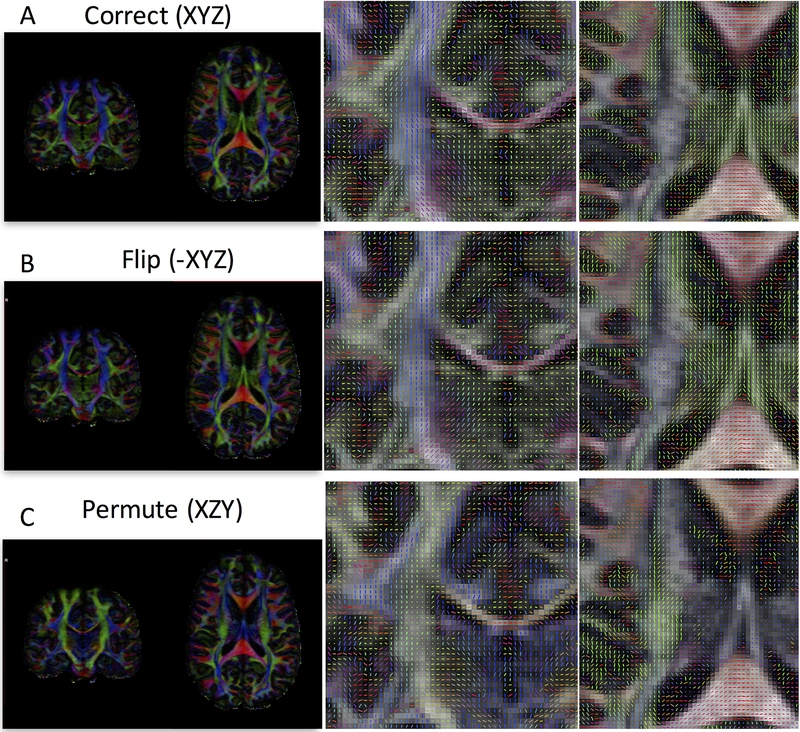
A fiber coherence index detects incorrectly flipped or permuted diffusion gradient tables by testing whether neighboring fiber orientations agree. Validation across research, clinical, and animal scans supports its use as an automated quality-control check.

Image ProcessingTractography
Correct, flipped, and permuted diffusion gradient tables produce different orientation patterns.
2019
NeuroinformaticsArticle

A Web-Based Atlas Combining MRI and Histology of the Squirrel Monkey Brain

Kurt G. Schilling, Yurui Gao, Matthew Christian, Vaibhav Janve, Iwona Stepniewska, Bennett A. Landman, Adam W. Anderson

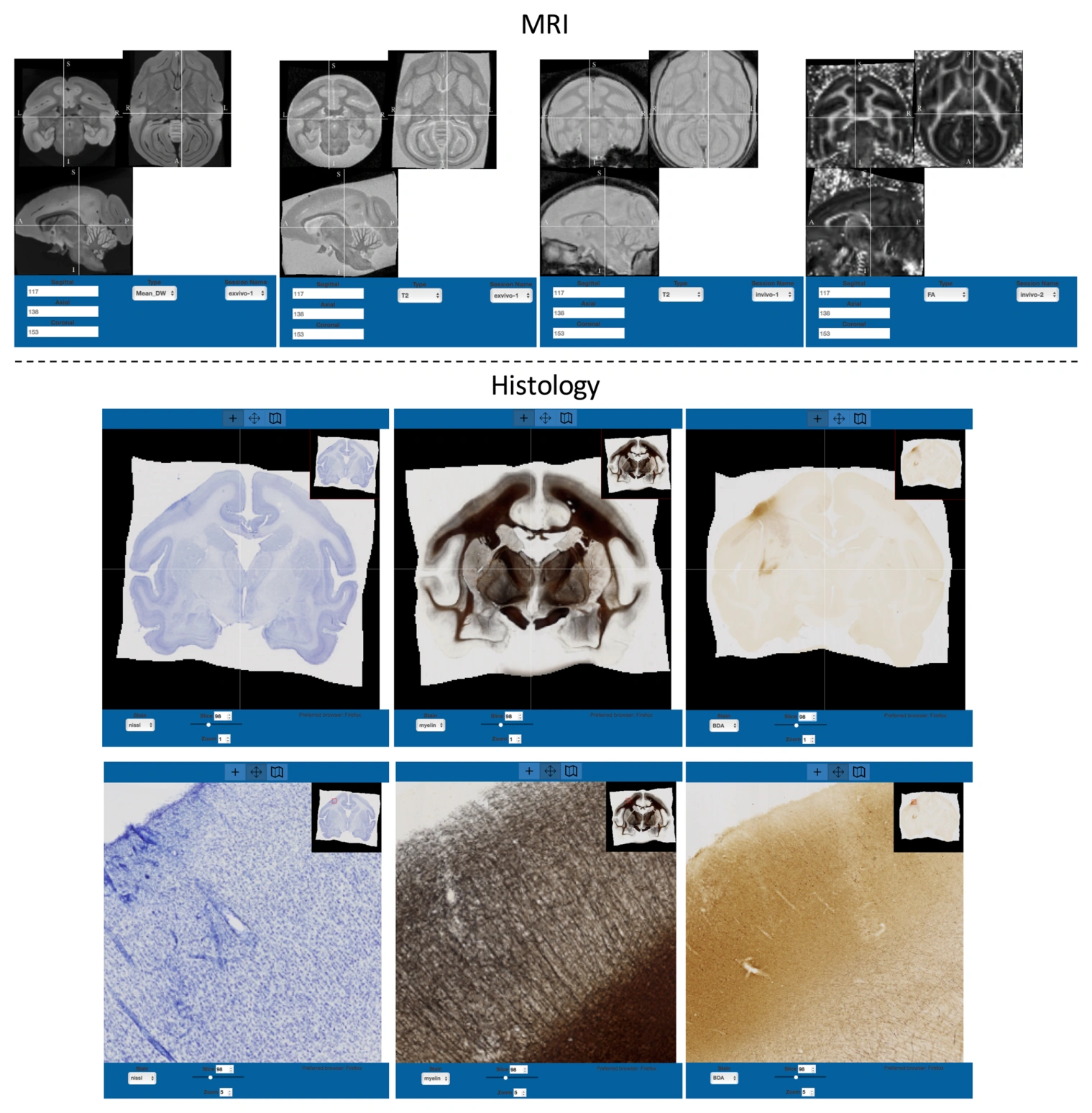
CHIASM combines structural MRI, diffusion MRI, histological stains, and motor-cortex tracing in a common squirrel monkey reference space. The integrated atlas lets researchers compare tissue appearance across modalities and use labeled cortical regions and white matter pathways for anatomical localization.

Image ProcessingTractographyMicrostructure
MRI contrasts and matched histological modalities included in the squirrel monkey atlas.
2019
Magnetic Resonance ImagingArticle

Anatomical accuracy of standard-practice tractography algorithms in the motor system - A histological validation in the squirrel monkey brain

Kurt G. Schilling, Yurui Gao, Iwona Stepniewska, Vaibhav Janve, Bennett A. Landman, Adam W. Anderson

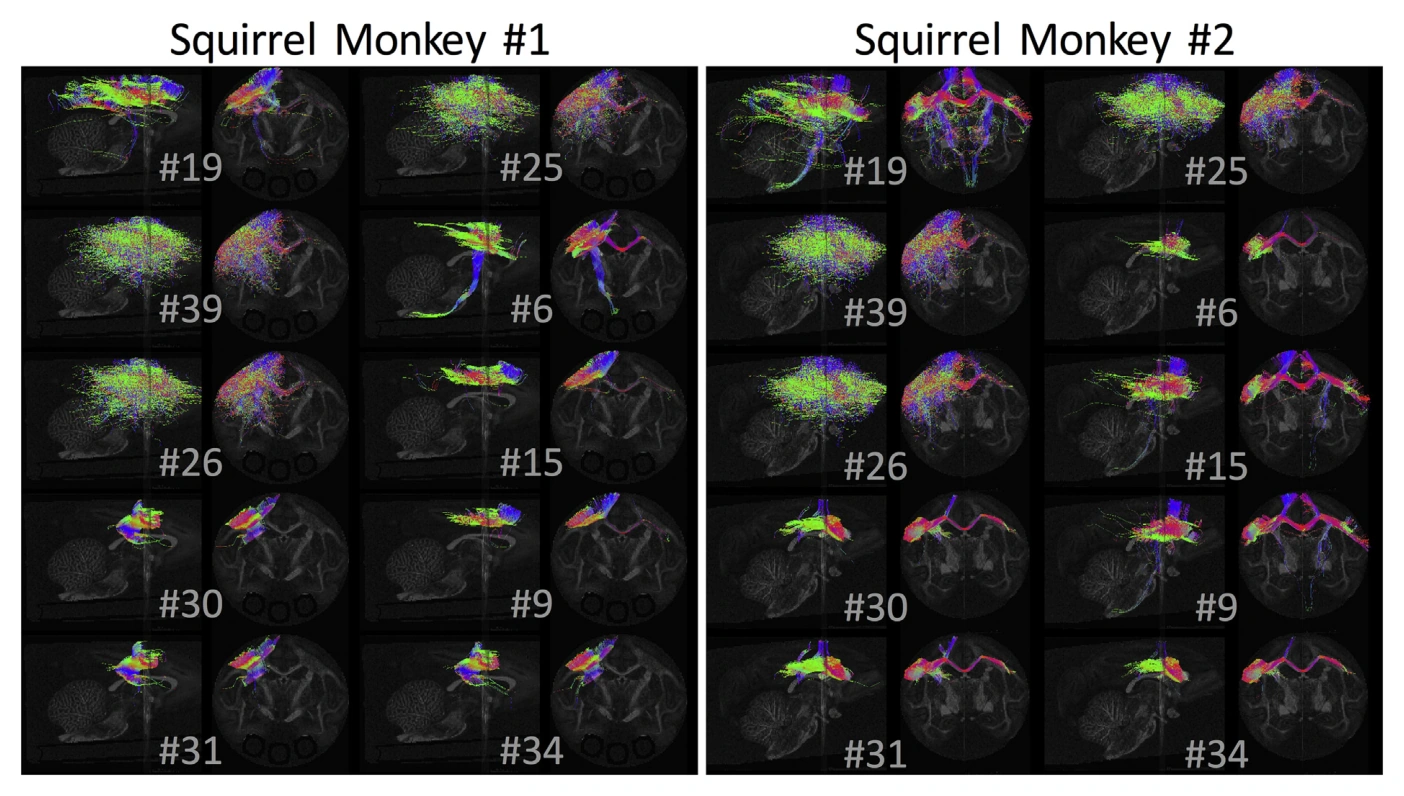
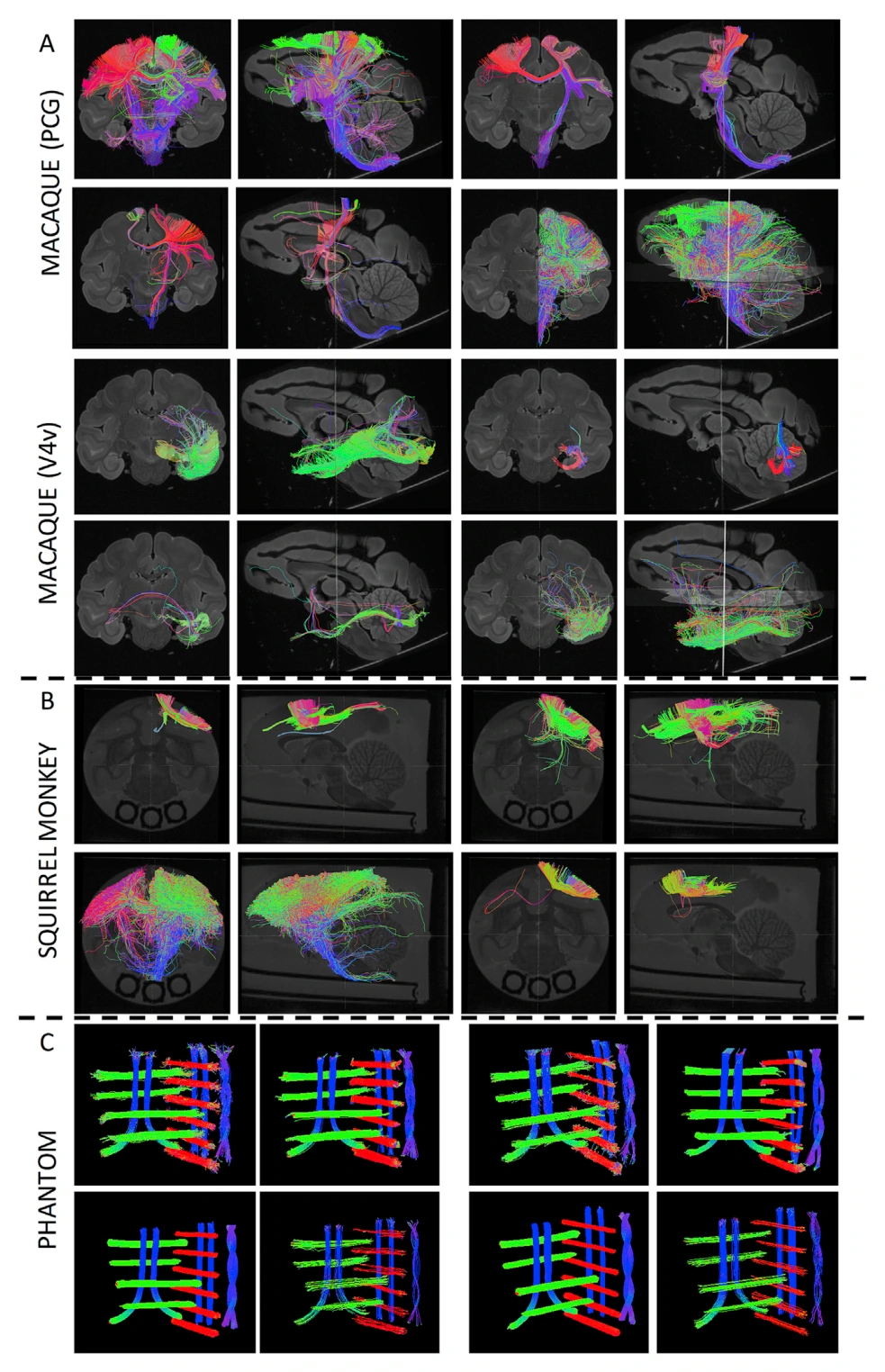
Forty commonly used tractography configurations were tested against motor-cortex tracer anatomy in squirrel monkeys. Accuracy depended strongly on reconstruction, tracking, and seeding choices, and deteriorated with distance from the seed; some methods missed substantial parts of known pathways.

Tractography
Variation among standard-practice reconstructions of motor pathways in the squirrel monkey brain.
2019
Magnetic Resonance ImagingReview

Challenges in diffusion MRI tractography – Lessons learned from international benchmark competitions

Kurt G. Schilling et al. · Last author: Maxime Descoteaux

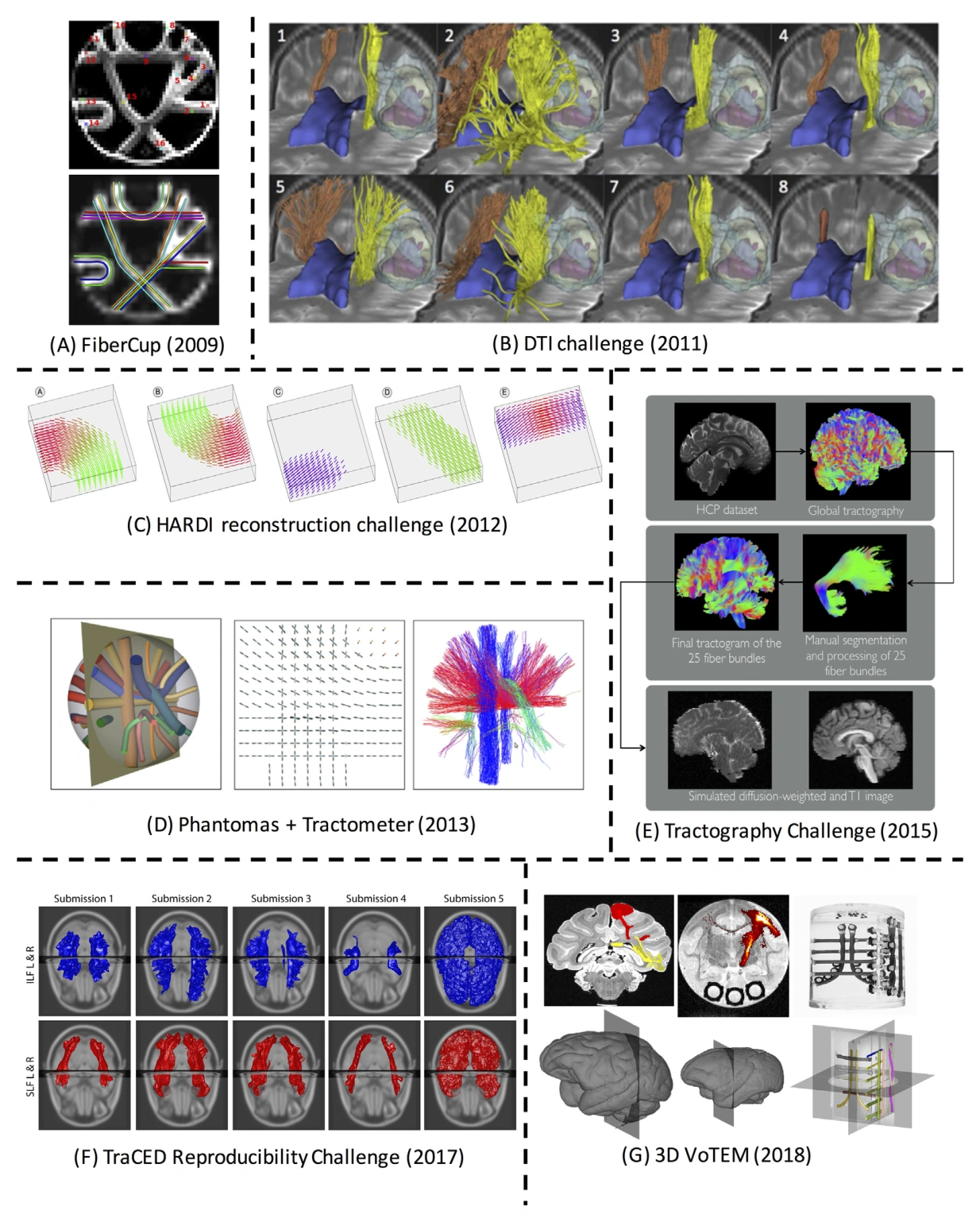
This review synthesizes a decade of tractography benchmark competitions. Physical phantoms, simulated data, and anatomical references reveal recurring tradeoffs between finding true pathways and avoiding false connections, while showing how acquisition, reconstruction, seeding, and evaluation choices shape apparent performance.

TractographyReviews & Consensus
Overview of benchmark datasets and anatomical references used in tractography challenges.
2019
Magnetic Resonance in MedicineArticle

Functional tractography of white matter by high angular resolution functional-correlation imaging (HARFI)

Kurt G. Schilling et al. · Last author: John C. Gore

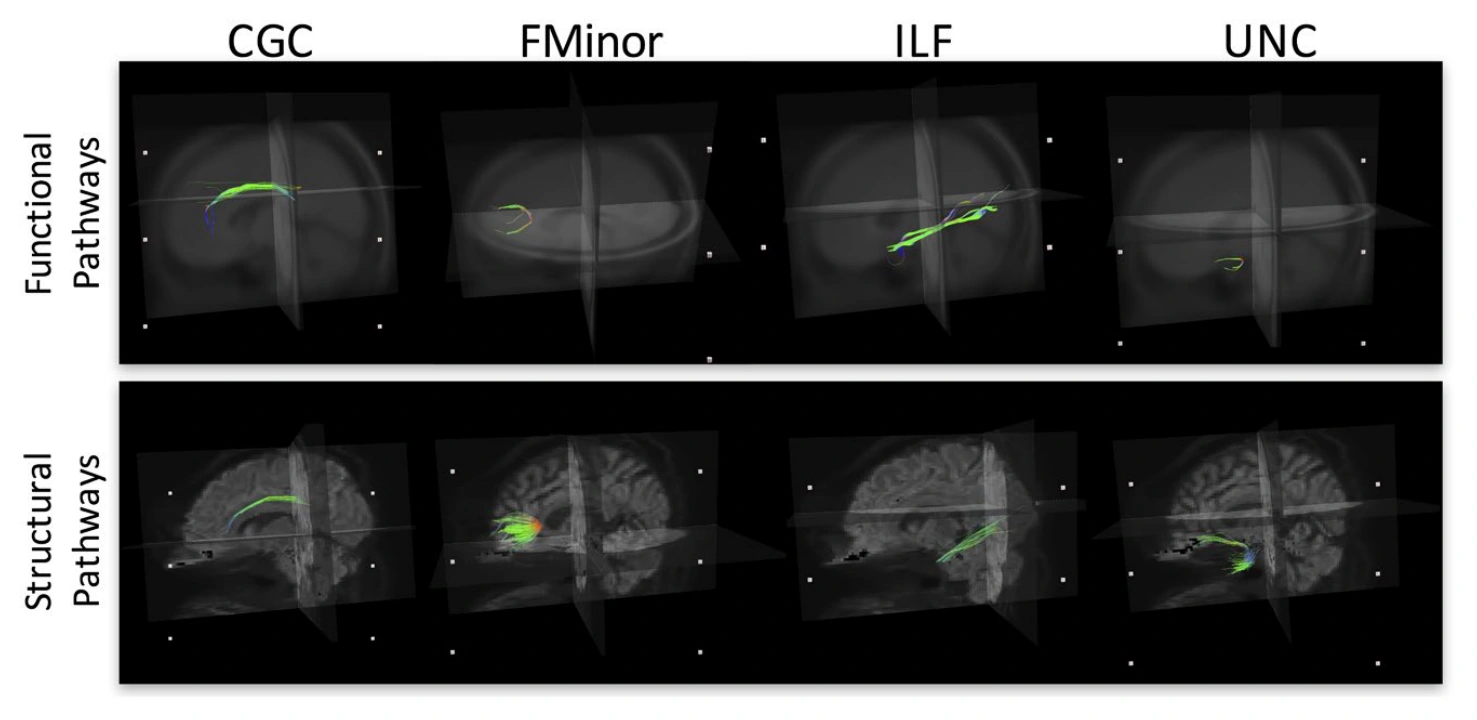
HARFI estimates the directional structure of correlations in white matter BOLD signals without restricting them to a tensor. Its sampling approach reduces orientation bias and represents bending or fanning patterns, providing a functional MRI complement to diffusion-based descriptions of white matter pathways.

Functional ConnectivityTractography
HARFI functional pathways compared with familiar structural white matter pathways.
2019
NMR in BiomedicineArticle

Histologically derived fiber response functions for diffusion MRI vary across white matter fibers—An ex vivo validation study in the squirrel monkey brain

Kurt G. Schilling, Yurui Gao, Iwona Stepniewska, Vaibhav Janve, Bennett A. Landman, Adam W. Anderson

Histology from three squirrel monkey brains shows that diffusion MRI fiber response functions vary across white matter regions. Choosing a different response function changes reconstructed fiber orientations and can alter tractography accuracy.

MicrostructureTractography
Histologically derived fiber response functions vary across regions of the same brain.
2019
NeuroImageArticle

Limits to anatomical accuracy of diffusion tractography using modern approaches

Kurt G. Schilling et al. · Last author: Bennett A. Landman

The 3D-VoTEM challenge tested 176 tractography submissions against a physical phantom and two ex vivo brain references. Despite modern modeling and tracking methods, substantial anatomical errors persisted across these complementary tests, demonstrating that algorithmic sophistication alone does not guarantee accurate connectivity.

Tractography
Tractography submissions reconstructed the same validation pathways with markedly different spatial extents.
2018
Human Brain MappingArticle

Confirmation of a gyral bias in diffusion MRI fiber tractography

Kurt Schilling, Yurui Gao, Vaibhav Janve, Iwona Stepniewska, Bennett A. Landman, Adam W. Anderson

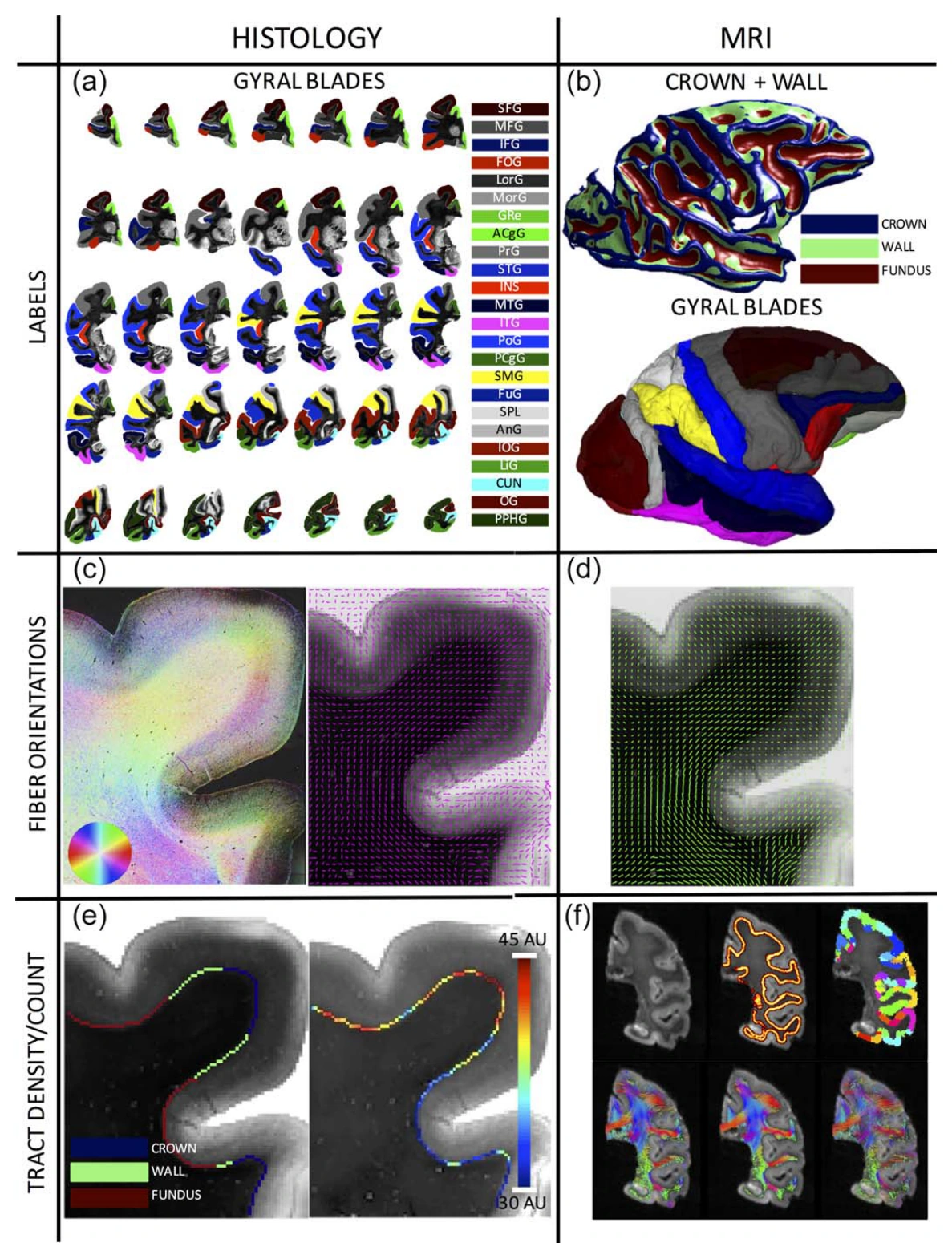
Comparing tractography with myelin-stained histology confirms that streamlines preferentially terminate on gyral crowns. The bias persists across tracking algorithms, diffusion models, weightings, and high-resolution acquisitions, complicating interpretation of cortical connectivity from streamline density.

TractographyMicrostructure
Histology and diffusion MRI workflow for testing tractography bias across gyral blades.
2018
NeuroImageArticle

Histological validation of diffusion MRI fiber orientation distributions and dispersion

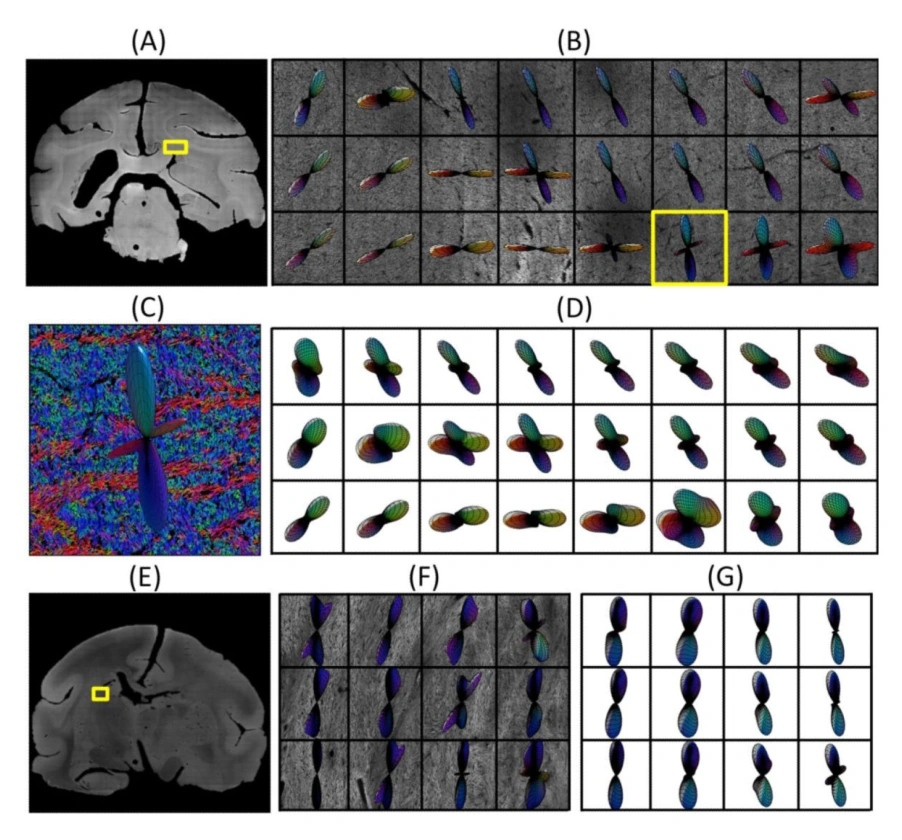
Kurt G. Schilling, Vaibhav Janve, Yurui Gao, Iwona Stepniewska, Bennett A. Landman, Adam W. Anderson

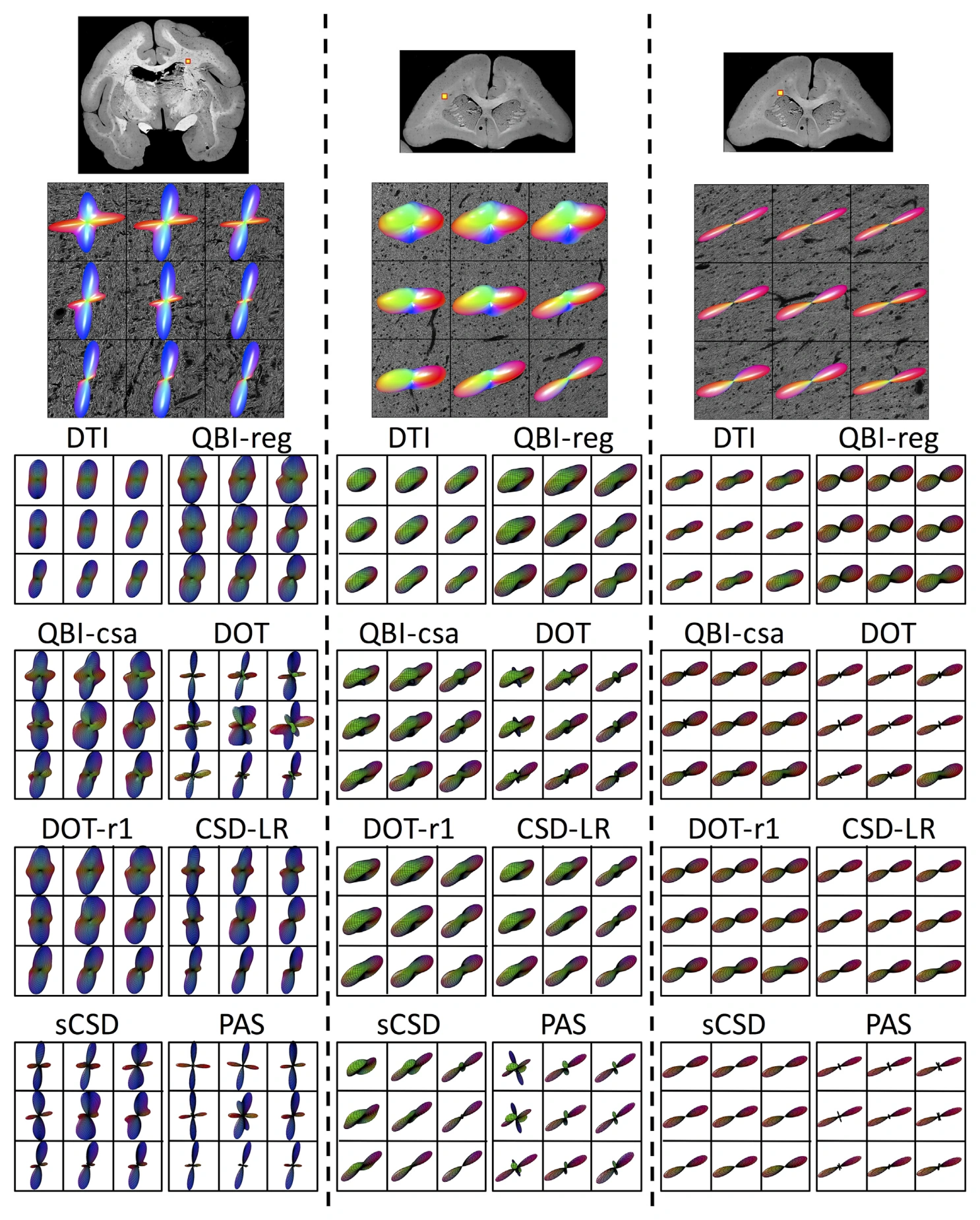
Histological validation compares several diffusion reconstruction methods against three-dimensional fiber geometry. Models captured overall angular structure better than discrete peak counts or low-angle crossings, and no method led across all accuracy criteria; dispersion estimates also showed limited agreement with histology.

TractographyMicrostructure
Histological fiber orientations compared with eight diffusion MRI reconstruction methods.
2017
NMR in BiomedicineArticle

Can increased spatial resolution solve the crossing fiber problem for diffusion MRI?

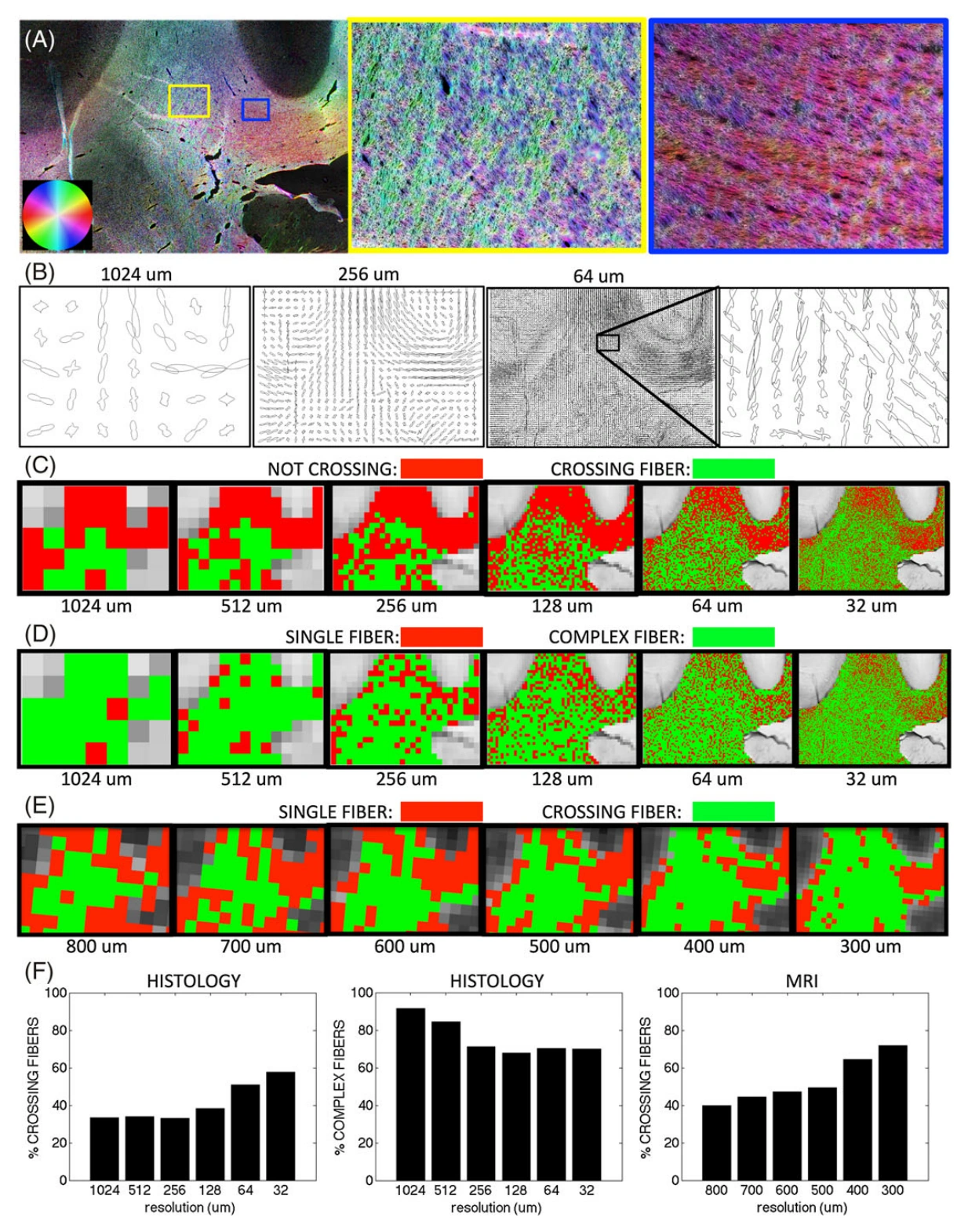
Kurt Schilling, Yurui Gao, Vaibhav Janve, Iwona Stepniewska, Bennett A. Landman, Adam W. Anderson

Ex vivo diffusion MRI and matched histology challenge the assumption that smaller voxels eliminate crossing fibers. Across the tested scales, finer resolution revealed more complex orientations, indicating that tissue geometry remains a fundamental obstacle even when image resolution improves.

TractographyMicrostructure
Histology and diffusion MRI reveal fiber geometry and crossing-fiber estimates across spatial scales.
2017
Magnetic Resonance ImagingArticle

Empirical consideration of the effects of acquisition parameters and analysis model on clinically feasible q-ball imaging

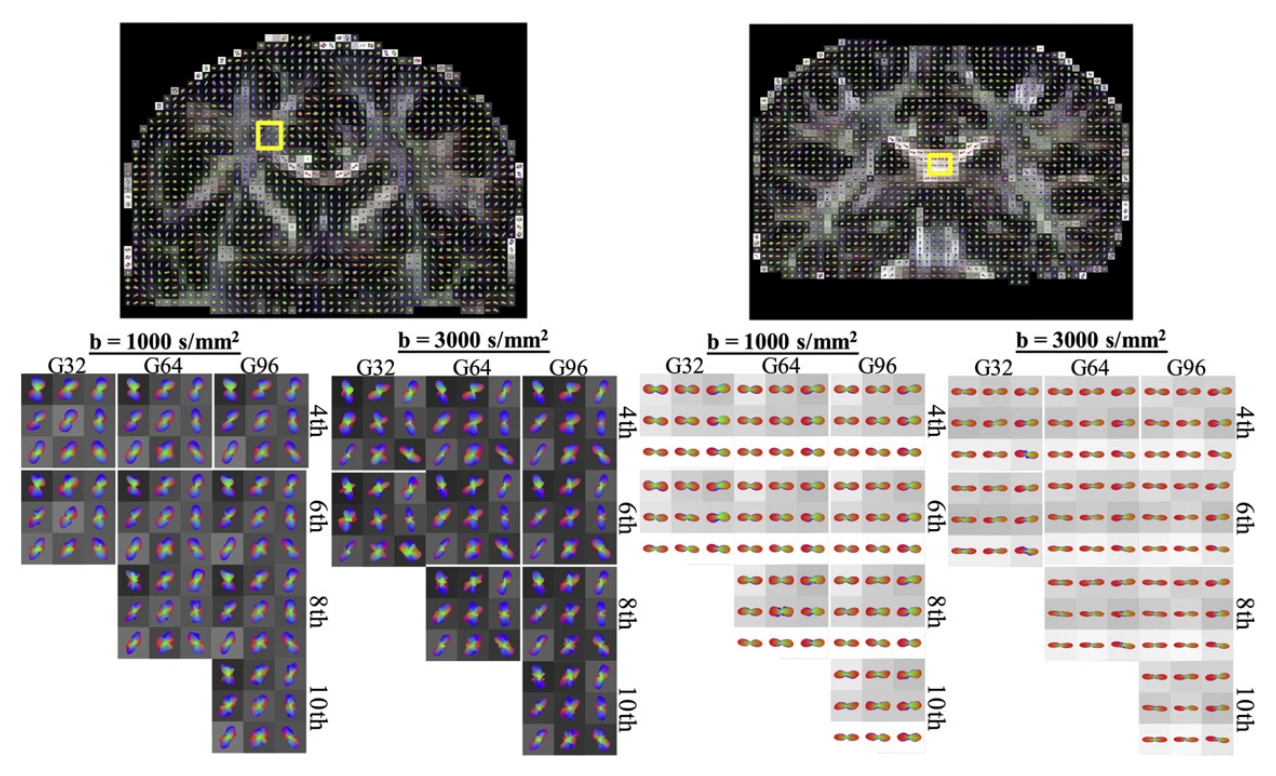
Kurt G. Schilling, Vishwesh Nath, Justin A. Blaber, Prasanna Parvathaneni, Adam W. Anderson, Bennett A. Landman

Repeated scans test how short clinical q-ball acquisitions balance diffusion weighting, direction count, and model complexity. The analysis shows that spherical harmonic order strongly affects derived metrics and that adding directions can be more useful than repeating measurements within a fixed scan time.

Image ProcessingMicrostructureTractography
Q-ball orientation estimates across diffusion weightings, gradient counts, and spherical harmonic orders.
2017
NeuroinformaticsArticle

The VALiDATe29 MRI Based Multi-Channel Atlas of the Squirrel Monkey Brain

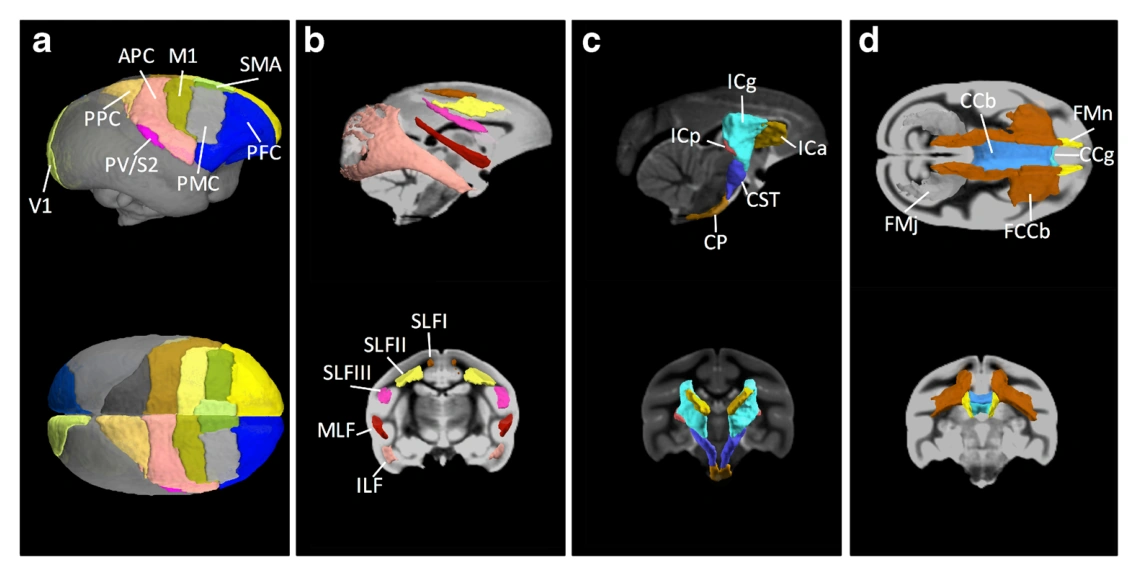
Kurt G. Schilling et al. · Last author: Adam W. Anderson

VALiDATe29 provides a common anatomical reference built from MRI of 29 squirrel monkeys. Structural, diffusion, and ex vivo templates are paired with cortical and white matter labels to support registration, regional measurements, and comparisons across animals and experiments.

Image ProcessingTractographyMicrostructure
Surface renderings of cortical and white matter labels in the VALiDATe29 squirrel monkey atlas.
2016
NeuroImageArticle

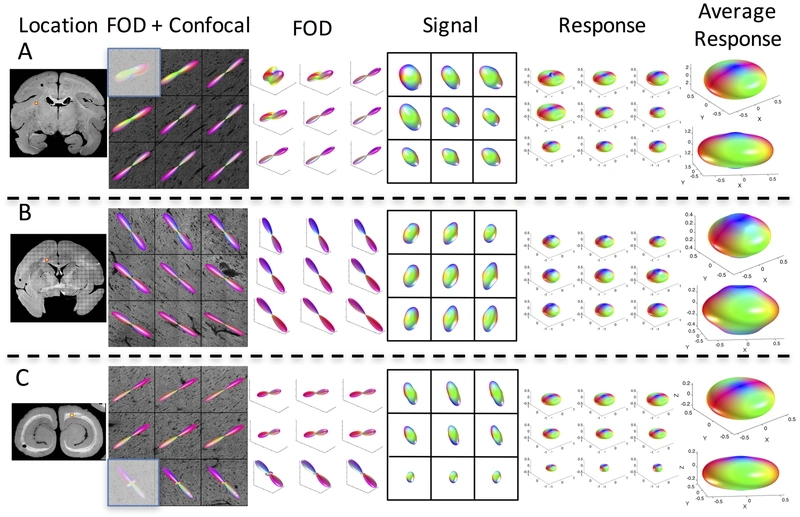
Comparison of 3D Orientation Distribution Functions Measured with Confocal Microscopy and Diffusion MRI

Kurt Schilling, Vaibhav Janve, Yurui Gao, Iwona Stepniewska, Bennett A. Landman, Adam W. Anderson

Three-dimensional confocal microscopy provides a direct reference for testing diffusion MRI estimates of fiber orientation. Comparisons with constrained spherical deconvolution found good agreement for nearly parallel fibers but larger errors in crossing regions, including failure to resolve crossings below 60 degrees in this dataset.

TractographyMicrostructure
Comparison of histological and diffusion MRI fiber orientations in crossing and fanning regions.